Drug Diversion In Veterinary Clinics And Community Safety: Expert Solutions From Secure Waste
Welcome to Secure Waste, your trusted partner in the safe and compliant management of Veterinary medical and sharps waste. As a prominent local leader in the industry, we proudly serve veterinary practices across Maryland, Virginia, and Washington, D.C. Our expert team is dedicated to providing seamless and efficient medical waste management services tailored to the unique needs of veterinary healthcare providers.
In addition to our core waste management offerings, we specialize in pharmaceutical and drug management, ensuring proper disposal and compliance with local, state, and federal regulations. Our comprehensive approach encompasses the collection, transportation, and disposal of hazardous materials, minimizing potential risks to both your practice and the environment.
We are committed to providing education and resources that empower our veterinary partners to maintain high standards of safety and environmental responsibility. Please reach out to us today to learn more about our services and see how we can help you create a safer, more sustainable practice for your staff, patients, and the community.
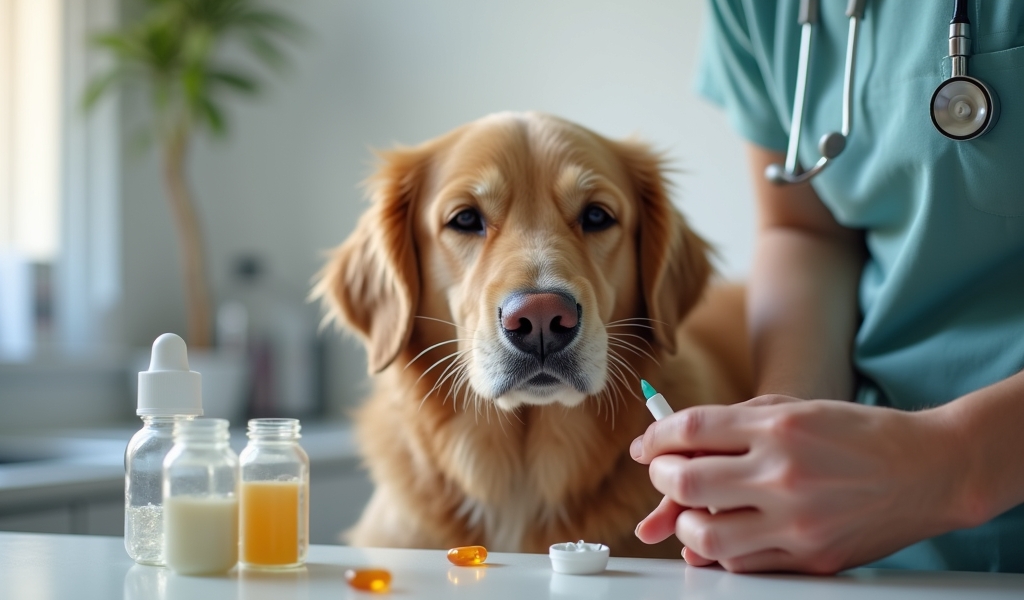
Drug misuse in veterinary practices poses significant concerns for both animal welfare and public safety Its essential to recognize the various ways these substances can be misused including overprescribing improper storage and unregulated distribution Such actions can pose serious health risks to animals lead to environmental contamination and increase the likelihood of human exposure to harmful substances
Veterinary professionals must adhere to strict guidelines and best practices for the use of medications to mitigate these risks Proper education and training are vital in ensuring that all staff are aware of the potential repercussions of drug misuse Additionally implementing robust monitoring systems can help detect and prevent misuse safeguarding both animal health and community safety
Drug Misuse in Veterinary Practices and Public Safety
Veterinary professionals face many of the same operational and safety challenges found in human healthcare settings. They are responsible for protecting staff, maintaining trust within their communities, and delivering high-quality care to patients who cannot speak for themselves. One risk that continues to receive increased attention in veterinary medicine is drug diversion, which occurs when controlled substances are redirected from their intended medical purpose for unauthorized use.
Drug diversion presents serious consequences for veterinary practices. It can endanger staff, compromise patient care, expose clinics to regulatory action, and contribute to broader public health issues such as substance misuse. Because many veterinary clinics store, prescribe, and administer controlled substances, they are not immune to the risks commonly associated with diversion in human healthcare.
Understanding Drug Diversion in Veterinary Settings
Drug diversion involves the unlawful or unethical redirection of medications away from legitimate medical use. In veterinary clinics, this may include opioids, sedatives, anesthetics, and other controlled substances regulated by federal and state authorities. Veterinarians who hold prescribing authority must comply with strict recordkeeping, storage, and disposal requirements.
While drug diversion is often associated with hospitals or pharmacies serving human patients, veterinary practices face similar vulnerabilities. Controlled substances are frequently used in animal care, and clinics may store them on-site. Without proper safeguards, these substances can be misused by staff, clients, or third parties.
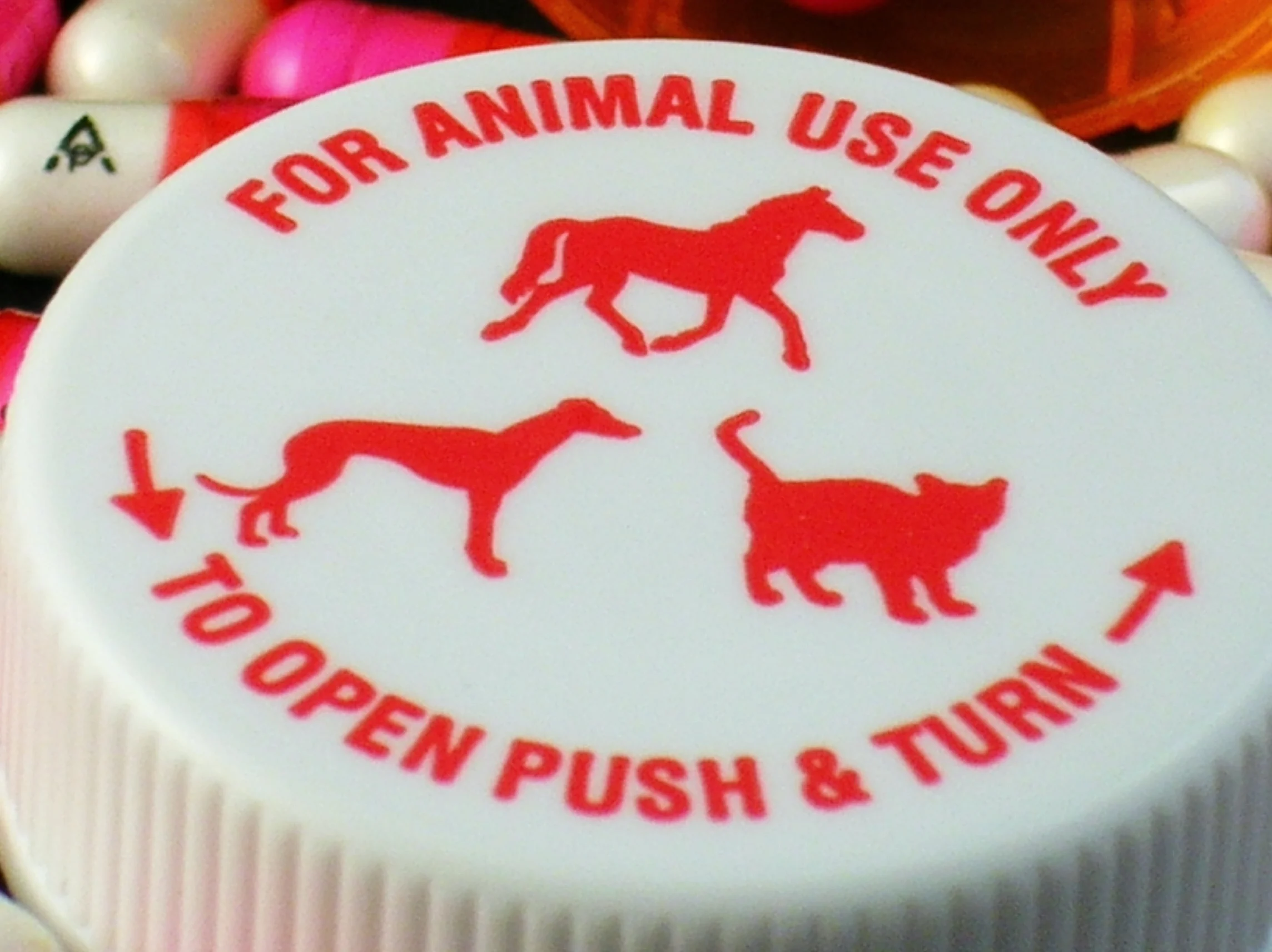
Drug diversion in veterinary practices is becoming a significant issue that demands attention This phenomenon occurs when medications particularly controlled substances intended for animal patients are misappropriated or misused by veterinary professionals Factors contributing to drug diversion can include high stress environments inadequate security measures for pharmaceuticals and potential personal struggles among staff
Addressing this issue is crucial for ensuring the safety and well being of both animal patients and the public It requires veterinary facilities to implement robust policies and practices including stringent inventory management employee training and a culture of accountability Increasing awareness and vigilance in veterinary settings can help mitigate the risks associated with drug diversion ultimately promoting better patient care and safeguarding the integrity of veterinary medicine
Why Veterinary Clinics Are at Risk
Veterinary clinics operate in environments that can unintentionally create opportunities for diversion. Smaller teams, informal workflows, and limited oversight compared to large hospitals may increase vulnerability. In many practices, trusted staff members handle medications daily, and diversion can occur gradually without immediate detection.
Additionally, veterinarians often treat a wide range of animals and conditions, requiring flexibility in medication use. This variability can make it more challenging to identify irregularities in dosing or inventory if monitoring systems are not robust.
Standard Methods of Drug Diversion
Diversion can take many forms, some of which are difficult to detect without proactive controls. One method involves removing partially used syringes or vials before they are fully emptied, allowing remaining medication to be taken for personal use. In other cases, patients may be intentionally underdosed so that leftover medication can be diverted.
Theft from inventory is another risk, particularly if storage areas are not secured or if inventory tracking is inconsistent. Controlled substances may be removed directly from stockrooms, cabinets, or refrigerators without proper documentation.
Diversion can also occur from waste streams. Sharps containers and pharmaceutical disposal bins may contain residual amounts of controlled substances. Without secure disposal systems, these containers can become targets for diversion.
A method unique to veterinary settings is commonly referred to as “vet shopping.” This occurs when individuals visit multiple veterinary clinics, misrepresent an animal’s symptoms, or repeatedly seek treatment to obtain controlled medications for personal use. This tactic places both animals and clinics at risk and complicates efforts to identify diversion patterns.
Impact on Patient Care and Animal Welfare
Drug diversion directly affects patient safety. Animals may receive inadequate pain management or anesthesia if medications are tampered with or withheld. In severe cases, diversion can lead to improper treatment outcomes, prolonged recovery, or harm to animals.
Veterinary professionals have ethical obligations to ensure animals receive appropriate care. Diversion undermines this responsibility and erodes trust between clinics and clients. Maintaining strict controls helps protect animal welfare while supporting professional integrity.
Regulatory and Legal Considerations
Veterinary clinics that handle controlled substances are subject to oversight by regulatory authorities. Accurate recordkeeping, secure storage, and compliant disposal practices are essential to meeting regulatory expectations. Failure to prevent diversion can result in audits, penalties, or loss of prescribing privileges.
Beyond regulatory consequences, diversion incidents can damage a clinic’s reputation and strain relationships with clients and community partners. Proactive prevention demonstrates accountability and commitment to public safety.
Strategies to Reduce Diversion Risk
Effective diversion prevention begins with awareness. Veterinary teams must recognize that diversion is a real risk and understand how it can occur. Written policies should clearly outline procedures for ordering, storing, administering, and disposing of controlled substances.
Inventory management is a critical component. Regular audits, reconciling usage records, and restricting access to controlled substances help identify discrepancies early. Limiting access to authorized personnel reduces opportunities for misuse.
Staff training is equally important. Employees should understand diversion risks, recognize warning signs, and know how to report concerns without fear of retaliation. Open communication encourages accountability and early intervention.
Proper disposal practices also play a vital role. Controlled substances and sharps must be destroyed in a way that prevents retrieval. Secure disposal systems help eliminate diversion opportunities from waste streams.
The Role of Secure Disposal and Waste Management
Waste handling is often overlooked in diversion prevention strategies. However, improperly managed waste can be a significant vulnerability. Sharps containers and pharmaceutical waste may contain trace amounts of controlled substances if not handled correctly.
Partnering with an experienced waste management provider helps veterinary clinics implement compliant disposal solutions that reduce the risk of diversion. Secure Waste supports veterinary practices by providing reliable medical waste and sharps disposal services designed to meet regulatory standards and protect staff and communities. Learn more at https://www.securewaste.net/.
Building a Culture of Accountability
Preventing drug diversion requires more than equipment and policies. It depends on a culture that prioritizes safety, ethics, and accountability. Leadership must set clear expectations and model responsible behavior. When staff feel supported and informed, they are more likely to adhere to procedures and report concerns.
Regular reviews of policies and practices ensure that diversion prevention efforts remain effective as clinic operations evolve. Continuous improvement strengthens resilience and reduces long-term risk.
Long-Term Benefits of Proactive Prevention
Veterinary clinics that invest in diversion prevention benefit from safer workplaces, stronger compliance, and improved patient care. Proactive measures reduce regulatory exposure and protect the clinic’s professional standing. Over time, these efforts contribute to operational stability and community trust.
Final Takeaway
Drug diversion is a real and growing risk in veterinary clinics, with implications for staff safety, animal welfare, regulatory compliance, and public health. By understanding how diversion occurs, implementing strong controls, training staff, and ensuring secure disposal practices, veterinary professionals can protect their practices and communities. A proactive, well-structured approach to diversion prevention supports ethical care, operational integrity, and long-term success in veterinary medicine.
Expert Medical Waste Management: With over 25 years of industry experience, Secure Waste is a trusted local leader in hazardous and biohazardous waste disposal across Maryland, Virginia, and Washington, D.C. Specializing in medical waste management, sharps needle disposal, and biohazard waste removal, the company ensures full compliance with federal, state, and local regulations while prioritizing environmental sustainability.
The company also offers additional services, including secure document shredding and sharps container sales, providing comprehensive solutions for healthcare facilities and businesses. Our cost-effective services help clients maintain regulatory compliance without unexpected costs.
With a commitment to customer satisfaction, Secure Waste offers tailored waste management plans that align with industry best practices. Their team of experts provides reliable, timely, and compliant services, making them the preferred choice for medical waste disposal. For a free waste quote or more information, visit www.securewaste.net