
Secure Waste highlights that healthcare professionals face significant challenges sorting and properly disposing of medical waste, particularly in the DMV (District of Columbia, Maryland, and Virginia) region.
This responsibility is critical, as improper disposal can lead to severe consequences, including increased health risks such as needlestick injuries and infections, as well as adverse environmental effects.
At Secure Waste Solutions, we are deeply committed to supporting healthcare facilities in their efforts to manage medical waste responsibly and effectively. We provide essential tools, resources, and knowledge that empower organizations to comply with regulations while maximizing operational efficiency.

In this comprehensive article, Secure Waste will delve into the various types of medical waste generated in healthcare settings—ranging from sharps waste, such as needles and scalpels, to biohazardous materials, such as contaminated gloves and surgical instruments.
We will provide vital guidance on implementing best practices to safeguard employees during handling and disposal processes, thereby minimizing risk and strengthening safety protocols.
By incorporating the strategies and recommendations outlined in this article, your facility can cultivate a safer work environment for all staff and patients.
Additionally, you will ensure that your medical waste management practices not only meet compliance standards but also contribute to the overall well-being of your community and the environment. Together, we can make strides toward effective and responsible medical waste management.

What Constitutes Regulated Medical Waste?
Regulated medical waste (RMW), often referred to as biomedical or biohazardous waste, encompasses waste that is deemed non-hazardous but may be infectious. This type of waste includes items that could pose significant risks to human health or the environment by spreading harmful microorganisms.
The Environmental Protection Agency (EPA) provides a specific definition of RMW that includes any materials that have come into contact with blood components, bodily fluids, or other potentially infectious materials (OPIM).
The categories of RMW typically include, but are not limited to, used surgical instruments, soiled bandages, sharps (such as needles and blades), and other materials resulting from medical procedures that could harbor pathogens.
Because RMW poses a considerable risk for infection and disease transmission to healthcare personnel and the public, stringent handling protocols are necessary.
To ensure safety, RMW must be disposed of in specially designed, regulated medical waste containers that meet all government regulations and guidelines.
These containers are typically puncture-resistant and leakproof, preventing accidental exposure to potentially infectious materials during handling and transport. Compliance with these guidelines is critical to minimizing contamination risk and ensuring a safer environment for healthcare workers and the community at large.
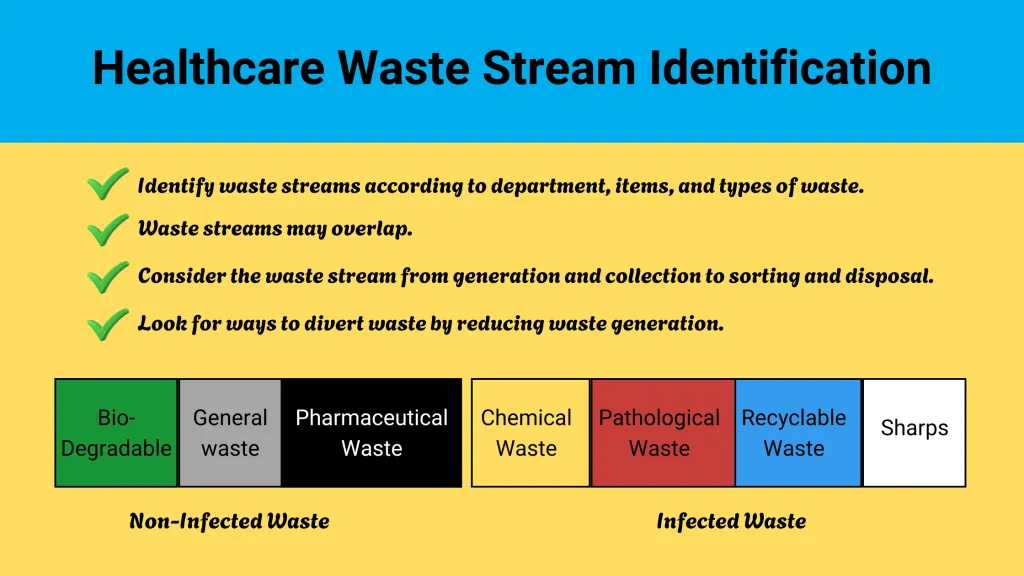
Proper categorization of medical waste is crucial for maintaining public health and safety in the DC MD VA area It involves the systematic classification of waste generated by healthcare facilities to ensure it is managed and disposed of in accordance with regulatory standards Accurate categorization helps prevent contamination protects the environment and mitigates potential health risks
Guaranteeing The Accurate Categorization Of Medical Waste
Healthcare facilities play a crucial role in managing and disposing of various types of medical waste, including sharps and infectious materials, as well as non-hazardous waste.
To navigate the complexities of waste management, these facilities must have a comprehensive understanding of the various categories and types of healthcare waste, as well as the applicable regulations governing their disposal.
Governments and state agencies establish detailed frameworks and guidelines outlining proper disposal methods for various categories of hospital waste. However, it is ultimately the responsibility of each healthcare facility to interpret and apply these regulations effectively.
This involves regularly updating their knowledge to reflect new or revised state and federal standards, which often requires a dedicated investment of time and resources. Staying informed about the latest definitions and guidelines issued by government bodies is vital for ensuring compliance and minimizing legal risks.
To facilitate this process, we strongly recommend that healthcare facilities implement engaging, informative training programs focused on the segregation and disposal of various types of medical waste.
Such training is essential in educating healthcare workers about the critical importance of proper waste disposal and the potential health risks associated with improper management.
As a starting point, you can utilize our free waste segregation brochure, which offers clear guidance on the proper containers to use and the specific contents appropriate for regulated medical waste disposal.
However, I would like to emphasize that this brochure is a general reference for you. Waste definitions and classifications can vary significantly by state, and many healthcare institutions have developed their own internal protocols that may exceed state requirements.
Moreover, adopting a one-size-fits-all approach to waste management is not advisable, as local regulations may impose additional requirements.
Therefore, each healthcare facility should tailor its waste disposal practices to align with both state mandates and its own operational policies to ensure the safety of workers and patients alike.
By fostering a culture of education and compliance, healthcare facilities can effectively manage their waste streams while safeguarding public health and the environment.
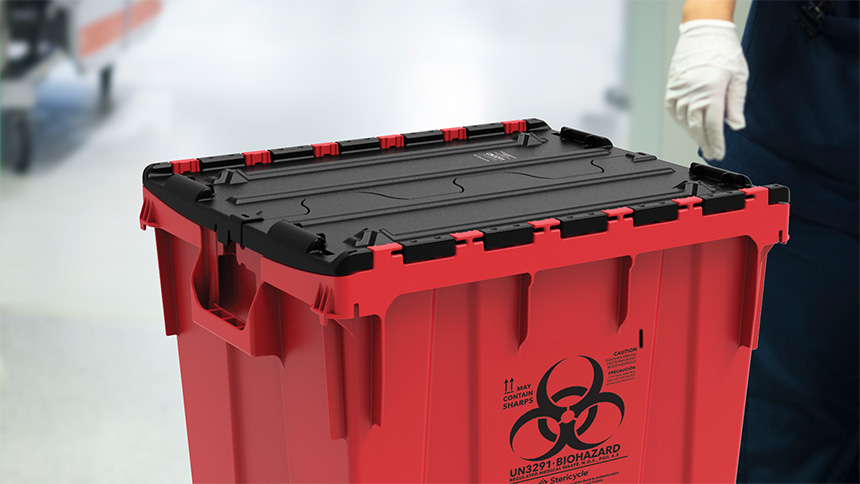
When it comes to understanding medical waste the DMV area has its own unique set of challenges and classifications From the bustling hospitals to local clinics medical waste comes in various forms each with specific handling and disposal requirements Lets delve into the different types of medical waste that play a critical role in keeping our healthcare system safe and efficient
Types Of Medical Waste In The DMV
Medical waste is typically classified into several categories, each with distinct characteristics and regulations governing its disposal. The primary types of medical waste include:
- Regulated Medical Waste (RMW): This category encompasses waste that poses a significant risk to public health or the environment. It often includes items such as used syringes, contaminated gloves, and surgical instruments. RMW is subject to strict handling, storage, and disposal regulations to minimize risks.
- Infectious Waste: Infectious waste refers specifically to materials contaminated with pathogens or diseases that can potentially infect humans or animals. This can include blood-soaked materials, cultures from microbiology labs, and certain laboratory waste. The regulations surrounding infectious waste aim to prevent the spread of infections and protect healthcare professionals and the public.
- Biohazardous Waste: Biohazardous waste includes any waste that contains potentially infectious materials. This category overlaps with infectious waste but may also encompass waste that poses a risk due to its biological nature, such as human anatomical waste and animal carcasses used in research. Proper disposal methods are crucial in mitigating any risks associated with biohazardous materials.
It is essential to recognize that guidelines for handling and disposing of medical waste can differ significantly from state to state.
Some states adopt definitions and regulations that align with federal guidelines set by organizations such as the Environmental Protection Agency (EPA), the Occupational Safety and Health Administration (OSHA), and the Department of Transportation (DOT).
However, individual states may have specific criteria or additional requirements regarding what constitutes “infectious” or regulated medical waste.
For those involved in healthcare or waste management, it is crucial to conduct thorough research into your state’s regulations concerning medical waste to ensure compliance with all applicable laws and best practices.
To help with this process, we’re able to consult our interactive map, which provides detailed information on medical waste regulations across states and clarifies the obligations specific to your jurisdiction.
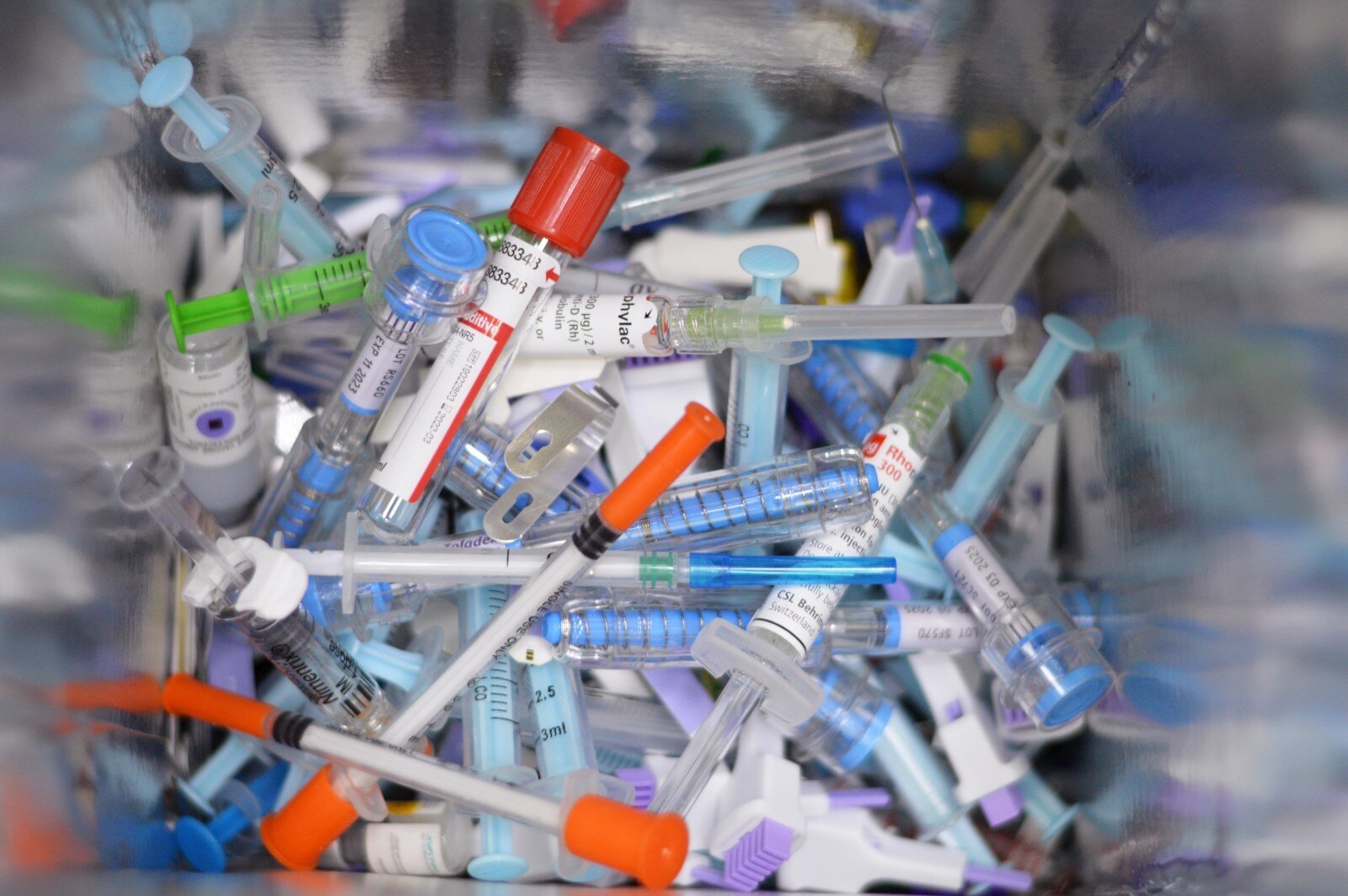
In the healthcare sector throughout the DC Maryland and Virginia DMV area various types of medical waste are produced This waste can be categorized into several classifications each requiring specific handling and disposal protocols to ensure safety and compliance with regulations Understanding the different varieties of medical waste is essential for healthcare providers to manage waste effectively and protect public health and the environment
Varieties of Medical Waste: An In-Depth Examination
Medical waste refers to any waste generated in healthcare facilities, such as hospitals, clinics, laboratories, and veterinary practices. It can pose a risk to human health or the environment if not managed properly.
The Environmental Protection Agency (EPA) categorizes various types of regulated medical waste based on their composition, potential for infection transmission, and toxic properties. Below are the primary classifications along with detailed descriptions:
1. Pathological Waste
Pathological waste includes both liquid and solid materials that are derived from human or animal tissues. This category encompasses bodily fluids, such as blood, urine, and other excretions.
Additionally, it includes anatomical waste, which consists of human tissues, organs, or body parts collected for examination during laboratory analyses, biopsies, or surgical procedures. By nature, pathological waste is highly infectious and requires careful handling and disposal to mitigate health risks.
2. Contaminated Sharps
Contaminated sharps are any sharp medical instruments that have been contaminated or exposed to bloodborne pathogens and other potentially infectious materials (OPIM). This category comprises items such as needles, scalpels, broken glass, and capillary tubes.
Given their sharp edges, these items pose a significant risk of injury and the transmission of infections among healthcare staff and waste management personnel. Proper disposal methods, such as the use of puncture-resistant sharps containers, are essential for minimizing these risks.
3. Uncontaminated Sharps
In contrast to contaminated sharps, uncontaminated sharps include sharp medical instruments that have not come into contact with infectious materials. Examples of uncontaminated sharps include new, unused needles and sterile disposable surgical blades.
Although they do not pose the same level of risk for infection transmission, these items still require meticulous handling to prevent accidental injuries. Appropriate disposal measures are needed to ensure safety.
4. Microbiological Waste
Microbiological waste encompasses waste that contains cultures, stocks, or samples of infectious agents, including bacteria, viruses, fungi, and parasites. This includes specimens collected for diagnostic or research purposes.
Since these agents may be harmful to humans and the environment, microbiological waste is subject to strict disposal regulations to prevent exposure or contamination.
5. Human and Non-Human Blood Products and Components
This category includes therapeutic blood specimens that are used in the production of plasma-derived medicines, transfusions, or other medical treatments.
Any products derived from blood, including plasma, platelets, and packed red blood cells, are considered hazardous and require controlled handling and disposal to prevent contamination and spread of infectious diseases.
6. Isolation Waste
Isolation waste is a specific subset of contaminated biological waste that contains excretions, secretions, or bodily fluids from patients or animals infected with pathogenic agents.
Items in this category include used personal protective equipment (PPE), bedding, dressings, and other materials that may have been contaminated during the care of infected individuals.
Due to the high potential for infection transmission, isolation waste must be disposed of in a manner that safely contains any hazardous pathogens.
The EPA’s classification of healthcare waste is crucial for ensuring that items are treated according to their potential risks.
As advancements in medical technology and scientific research continue to unfold, the guidelines surrounding medical waste management may also evolve, necessitating ongoing education and adaptation in healthcare practices.
Proper identification, segregation, and disposal of medical waste are fundamental to safeguarding public health and protecting the environment.

Various regulatory bodies oversee these practices ensuring that waste management companies follow strict protocols This includes proper labeling safe storage and responsible disposal methods Safety measures are paramount as improper waste disposal can contaminate land water and air posing risks to human health and wildlife
The Significance of Adherence to Regulations and Safety in Managed Waste Disposal
In healthcare settings, particularly in hospitals, accurately categorizing the various types of waste generated is of paramount importance.
This understanding not only ensures the safe handling and disposal of waste but also plays a crucial role in protecting healthcare personnel, minimizing the risk of injury or infection, and fostering a safer environment for patients and staff alike.
Achieving safety and compliance in waste management is an ongoing endeavor that requires continuous education, training, and staff awareness.
Regular training sessions and workshops are essential for keeping employees informed about the latest segregation practices and any updates to relevant regulations.
Given that legal guidelines for medical waste disposal can vary significantly from state to state, healthcare facilities must remain vigilant and stay up to date with local, state, and federal regulations governing waste management. This diligence is crucial to avoid potential fines, penalties, or legal repercussions arising from non-compliance.

Having a thorough knowledge of the various categories of medical waste is essential for several reasons.
- Patient and Staff Safety: Proper identification and handling of medical waste serve to mitigate the risks associated with potential infections, injuries, and exposure to hazardous substances. By ensuring that potentially infectious materials are disposed of correctly, healthcare facilities can protect both their workforce and the patients they serve.
- Regulatory Compliance: Accurate classification of waste is essential for meeting legal obligations. Compliance with regulatory standards ensures that facilities adhere to established best practices, thereby avoiding costly fines and legal issues arising from the mismanagement of waste.
- Cost Efficiency: One of the financial benefits of proper waste segregation is the prevention of the over-classification of non-hazardous waste as regulated medical waste. This misclassification can lead to unnecessarily high disposal costs. By ensuring waste is categorized accurately, healthcare facilities can optimize waste management costs.
- Environmental Protection: Effective waste management practices not only safeguard human health but also contribute to the protection of the environment. By minimizing the environmental impact associated with healthcare waste, facilities can align with sustainability goals and promote a healthier planet for future generations.
- Operational Efficiency: Clear and consistent waste categorization streamlines waste management processes within healthcare facilities. This operational clarity enhances overall efficiency, enabling smoother workflows and better resource allocation, ultimately improving patient care.
In summary, the importance of compliance and safety in regulated waste management cannot be overstated. A commitment to proper waste handling and adherence to regulations enhances patient and staff safety, safeguards the environment, and promotes operational efficiency in healthcare facilities.
In Conclusion:
Secure Waste will save you money on Regulated healthcare waste disposal. We understand these hazards.
Staying informed and proactive is vital as new disposal management challenges arise. Together, we can prioritize health and safety, increase awareness, and promote responsible actions to create a healthier future for all in Maryland, Virginia, and D.C.
We provide reliable, compliant, and environmentally friendly waste disposal solutions tailored to your facility’s specific needs.
Disclaimer: This information is provided for reference purposes only and should not be considered as legal advice or factual information at the time of your reading. Regulations frequently change and can vary from state to state. We encourage you to contact your local regulatory authorities or Secure Waste directly for the most current information. Please note that Secure Waste is not liable, in part or in whole, for any information contained on this page or website.
Expert Medical Waste Management: With over 25 years of industry experience, Secure Waste is a trusted local leader in hazardous and biohazardous waste disposal across Maryland, Virginia, and Washington, D.C. Specializing in medical waste management, sharps needle disposal, and biohazard waste removal, the company ensures full compliance with federal, state, and local regulations while prioritizing environmental sustainability.
The company also offers additional services, including secure document shredding and sharps container sales, providing comprehensive solutions for healthcare facilities and businesses. Our cost-effective services help clients maintain regulatory compliance without unexpected costs.
With a commitment to customer satisfaction, Secure Waste offers tailored waste management plans that align with industry best practices. Their team of experts provides reliable, timely, and compliant services, making them the preferred choice for medical waste disposal. For a free waste quote or more information, visit www.securewaste.net