Dentist Biohazard And Safe Sharps Disposal For Members Of Virginia Dental Association
Secure Waste underscores the paramount importance of adhering to the Virginia Regulated Medical Waste Management Regulations (9VAC20-121) for dental practices operating in Virginia.
These regulations provide an extensive framework for the safe, efficient, and compliant management of biohazardous and sharps waste disposal.
NOVA Virginia Dental practices need to collaborate with appropriately licensed and authorized vendors equipped to handle these sensitive materials in accordance with the stipulated guidelines.
Navigating the world of dental practice comes with its own set of responsibilities especially the responsibility of ensuring the safety of both patients and staff Proper disposal of biohazard materials and sharps is crucial This guide aims to help Virginia dentists adopt best practices for safe and compliant disposal keeping your practice efficient and your environment safe Lets dive into the essentials of maintaining a hazard free practice
Welcome to Secure Waste! Thank you for taking the time to visit our site.
We are dedicated to providing specialized biohazard disposal and safe sharps management services for dentists and dental clinics throughout the DMV (District of Columbia, Maryland, Virginia) area. Our primary mission is to cater to the unique needs of dental practices in Virginia, with a strong focus on the Northern Virginia (NOVA) region.
With over 30 years of experience in the field, Secure Waste has built a solid reputation as a leader in safe, compliant dental waste management solutions. Our extensive experience allows us to understand the nuances of handling dental waste, ensuring that our practices adhere to regulatory standards while prioritizing safety and environmental responsibility.
What sets us apart is our commitment to affordability and flexibility.
We offer competitive pricing on all our services without the burden of long-term contracts, so that you can tailor a service schedule that meets your practice’s specific requirements.
Whether you need monthly, quarterly, or on-demand services, we work with you to create a plan that fits seamlessly into your operations.
If your dental practice is located in areas such as Fairfax County, Loudoun County, Manassas, Richmond, or Virginia Beach, we would like to encourage you to contact Secure Waste today.
We offer comprehensive service offerings tailored to the diverse needs of dental practices.
Additionally, our dedicated team proudly serves the communities of Arlington and Alexandria, ensuring that all of your waste disposal needs are addressed with the utmost professionalism and care.
Partner with Secure Waste to maintain a compliant and safe environment for your patients and staff. We look forward to helping you uphold the highest standards of dental practice waste management!
NOVA Detailed Requirements and Best Practices
- Sharps Disposal:
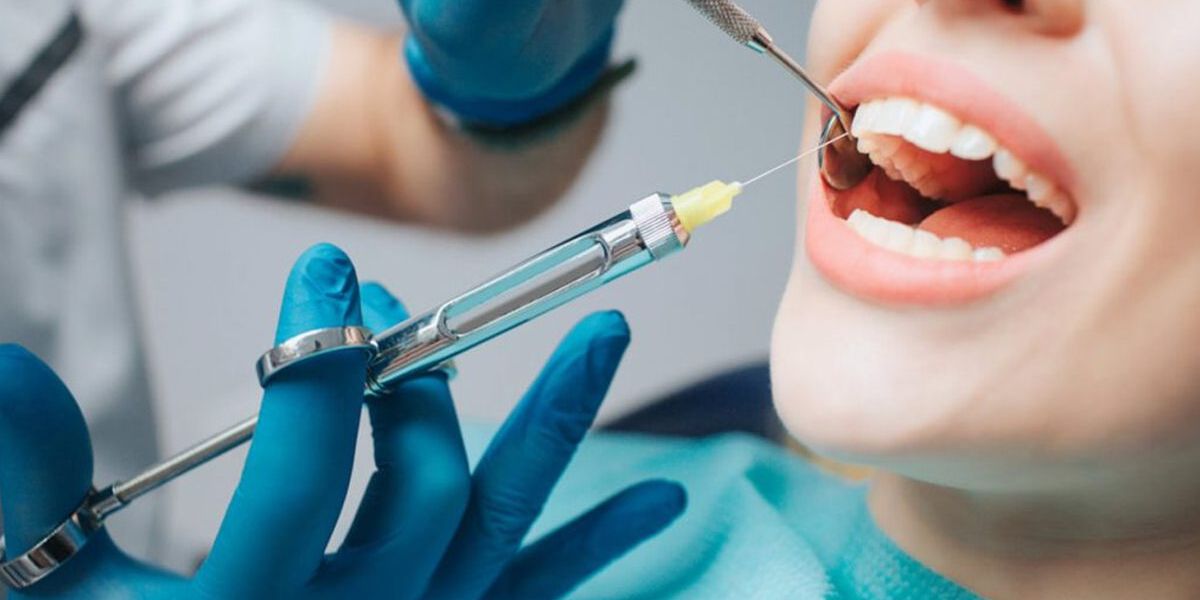
- Puncture-Resistant Containers: All sharps, which encompass needles, syringes, scalpel blades, and carpules, must be disposed of in designated puncture-resistant containers. These containers should be constructed of durable materials to prevent any penetration or leakage of hazardous contents.
- Biohazard Symbols: Containers must be prominently marked with universally recognized biohazard symbols indicating that they contain sharp materials. This labeling is essential for alerting personnel to the potential hazards associated with these containers.
- Capacity Management: It is critical to monitor the fill level of these containers; once a container is filled, it should be immediately sealed. Overflowing containers pose a significant risk of accidental spillage and must be securely closed to prevent exposure to harmful materials.
- Prompt Pickup: After sealing, the container should be placed in a designated area for prompt pickup by the authorized medical waste disposal vendor. This minimizes the risk of workspace obstructions and ensures waste is removed promptly.
- Biohazard (Red Bag) Waste:
- Proper Containment: Items contaminated with liquid or dried blood, saliva, or other bodily fluids must be placed in red bags specifically designed for biohazardous waste. These red bags should be made of durable materials to withstand tearing and puncturing during handling.
- Labeling and Sealing: The red bags must be conspicuously labeled with the biohazard symbol and sealed securely before they are removed from treatment areas to prevent leakage and contamination.
- Separation from Sharps: Careful attention should be paid to ensure these bags do not contain sharps. Implementing a robust protocol for separating sharps from biohazard waste is necessary to minimize staff injury risk during waste disposal.
- Extracted Teeth:
- Categorization of Extracted Teeth: Distinguishing between different types of extracted teeth is vital, as they come with varying regulatory concerns. Extraction of teeth containing amalgam, due to mercury concerns, should never be disposed of in standard red bags.
- Specialized Disposal: Teeth containing amalgam must be sent to certified amalgam recyclers who adhere to environmental safety protocols. This ensures that hazardous materials are managed properly without risking environmental contamination.
- Alternative Disposal Methods: Extracted teeth that do not contain metal components may be disposed of either in sharps containers or in properly labeled biohazard bags. This requires strict adherence to labeling and disposal protocols to ensure compliance with safety regulations.
- Storage and Labeling:
- Designated Storage Areas: All infectious medical waste must be stored in a designated area of the dental practice that is clearly marked and secured against unauthorized access. This area should be accessible only to trained and authorized personnel to maintain stringent safety protocols.
- Secure Containers: Containers used for storing infectious materials should remain securely closed at all times unless they are actively being filled. Moreover, they should bear clear, readable labels that indicate their contents unambiguously.
- Ventilation and Hygiene: Proper ventilation must be ensured in waste storage areas to mitigate the risk of airborne contaminants. Rigorous hygiene practices should be maintained to prevent cross-contamination and exposure hazards.
- Disposal Vendor:
- Partnership with Authorized Vendors: Dental practices must work exclusively with licensed and authorized medical waste disposal firms for collecting, transporting, and disposing of regulated medical waste. It is imperative to thoroughly verify the credentials of any waste disposal vendor to confirm their compliance with local and state regulations.
- Written Agreements: A comprehensive, written agreement should detail all services provided, including scheduled pickup times, methods of disposal, specific terms related to waste handling, and additional relevant conditions. This documentation is crucial for compliance and for maintaining accurate records.
- Training:
- Regular Training Sessions: All personnel must participate in frequent training sessions that focus on the risks associated with hazardous material exposure. Training should include identifying different waste types, appropriate disposal methods, and thorough emergency protocols for any exposure incidents.
- Encouraged Continuing Education: Opportunities for continuing education should be actively encouraged, ensuring that staff remain informed and updated on changes in regulations, evolving best practices, and innovative methodologies concerning medical waste management.
By diligently implementing these detailed guidelines, dental practices in Virginia can ensure the safety of patients and staff alike while complying with state regulations governing medical waste management.
This commitment not only promotes a safe working environment but also reinforces the practice’s ethical responsibility to safeguard public health and environmental integrity.
In Conclusion:
Secure Waste will save you money on Regulated healthcare waste disposal. We understand these hazards.
Staying informed and proactive is vital as new disposal management challenges arise. Together, we can prioritize health and safety, increase awareness, and promote responsible actions to create a healthier future for all in D.C., Maryland, and Virginia, Also Known As The DMV.
We provide reliable, compliant, and environmentally friendly waste disposal solutions tailored to your facility’s specific needs.
Disclaimer: The information provided herein is intended solely for reference purposes and should not be interpreted as legal advice or as factually accurate at the time of your reading. It is important to note that regulations are subject to frequent changes and can vary significantly from one state to another. Therefore, we strongly encourage you to contact your local state regulatory authorities or Secure Waste directly to obtain the most current and accurate information. Additionally, please be advised that Secure Waste does not assume any liability, whether in part or in full, for the information contained on this page or website. This information is offered merely as a guide and should not be regarded as a definitive legal rule. In the event of a healthcare emergency, please dial 911 immediately.
Expert Medical Waste Management: With over 25 years of industry experience, Secure Waste is a trusted local leader in hazardous and biohazardous waste disposal across Maryland, Virginia, and Washington, D.C. Specializing in medical waste management, sharps needle disposal, and biohazard waste removal, the company ensures full compliance with federal, state, and local regulations while prioritizing environmental sustainability.
The company also offers additional services, including secure document shredding and sharps container sales, providing comprehensive solutions for healthcare facilities and businesses. Our cost-effective services help clients maintain regulatory compliance without unexpected costs.
With a commitment to customer satisfaction, Secure Waste offers tailored waste management plans that align with industry best practices. Their team of experts provides reliable, timely, and compliant services, making them the preferred choice for medical waste disposal. For a free waste quote or more information, visit www.securewaste.net