Cutting Healthcare Waste: Paper & Carbon Recycling
Secure Waste is a premier leader in healthcare waste management, dedicated to providing essential guidance and innovative solutions to minimize healthcare waste. Operating throughout Maryland, Virginia, and Washington D.C., Secure Waste has established itself as a trailblazer in comprehensive healthcare waste management.
Our expertise encompasses the safe handling of a wide range of medical and hazardous waste materials, ensuring compliance with strict regulatory standards. We specialize in the proper disposal of sharps—such as needles, scalpels, and other sharp instruments—using industry-leading practices that prioritize safety for both healthcare professionals and patients.
At Secure Waste, our mission extends beyond compliance; we are committed to fostering a sustainable, environmentally responsible approach to healthcare waste management. We provide tailored waste management solutions that not only address each client’s specific needs but also incorporate recycling and waste-reduction strategies to minimize overall environmental impact.
For detailed information about our services or to discuss tailored waste management solutions that work for your facility, please don’t hesitate to contact us at 877-633-7328. Our knowledgeable team is here to help you create a safer, more efficient waste management program.
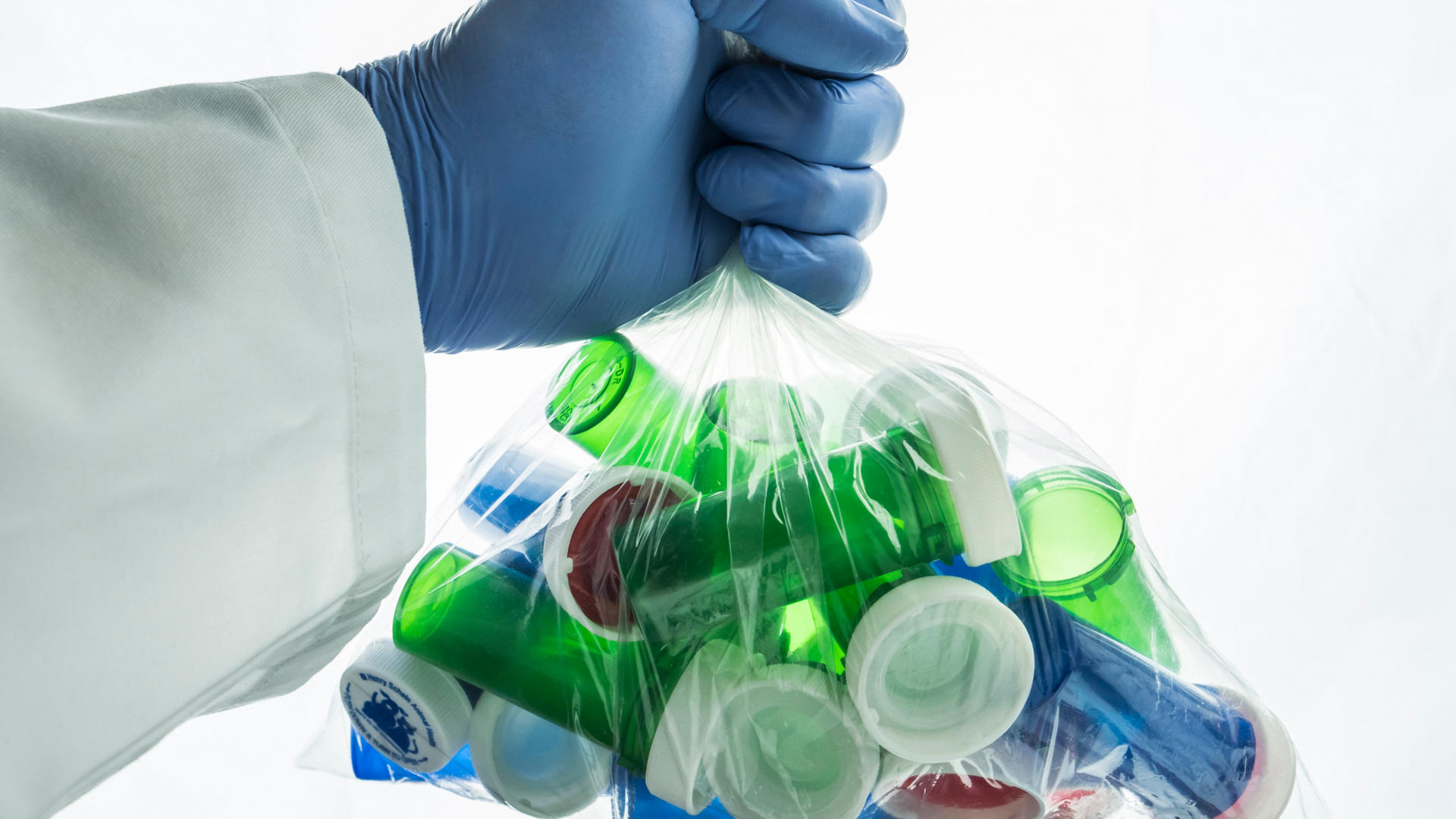
In the healthcare sector efficient waste management is crucial for both environmental sustainability and public health safety One effective strategy for reducing healthcare waste is implementing secure waste management practices By adopting secure waste disposal methods healthcare facilities can ensure waste is handled safely and responsibly minimizing risks to the environment and human health
This approach not only helps reduce waste volume but also promotes recycling and the safe disposal of hazardous materials As healthcare providers strive to improve their waste management processes focusing on secure waste solutions can yield significant reductions in waste and advance overall sustainability goals
Recycling Paper and Cardboard in Healthcare
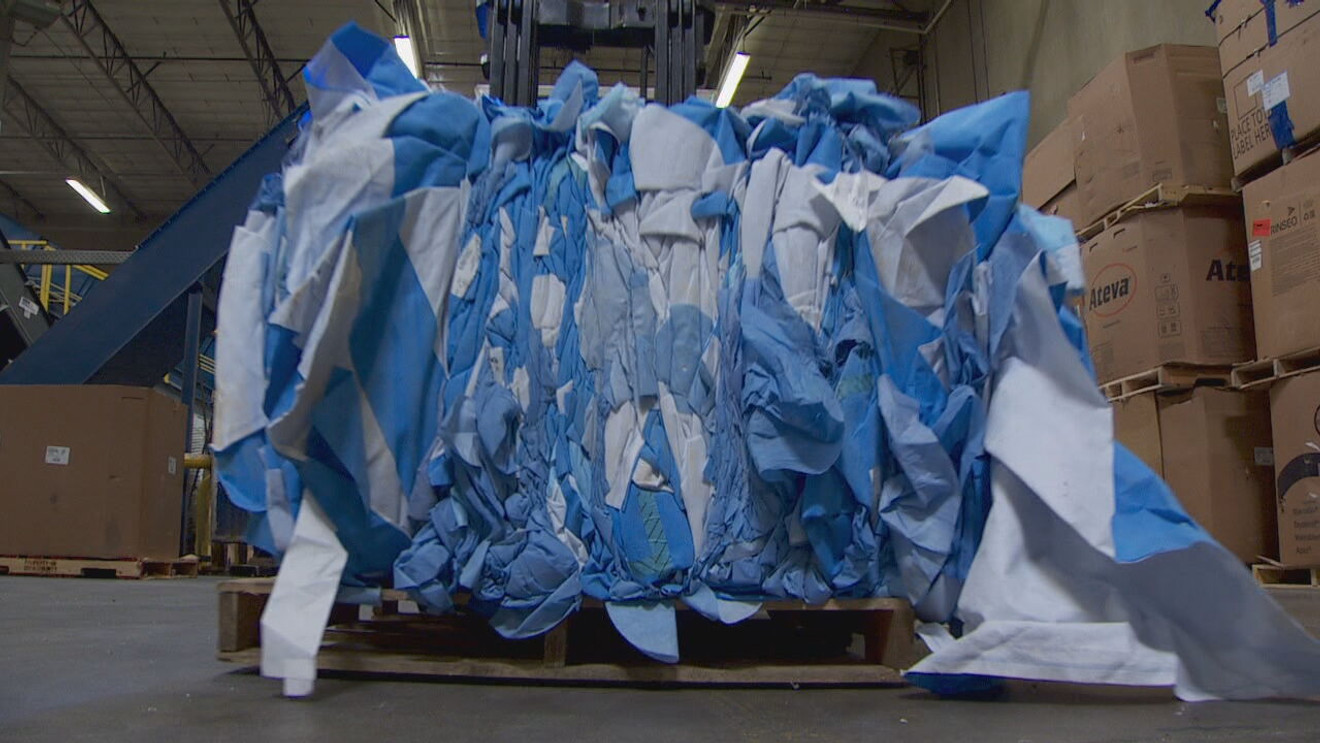
Paper and cardboard are everywhere in healthcare. From shipping boxes and supply packaging to patient files, pharmacy cartons, lab forms, and office paperwork, these materials move through hospitals, clinics, and medical offices all day. While they are essential for daily operations, they also generate one of the industry’s most significant waste streams. In the United States, healthcare facilities generate nearly 2 billion pounds of paper and cardboard waste each year, accounting for a substantial share of the sector’s total solid waste.
When this material ends up in landfills or is burned rather than recycled, it contributes directly to greenhouse gas emissions, resource depletion, and unnecessary waste-disposal costs. For healthcare organizations serious about sustainability, recycling paper and cardboard is one of the most practical and impactful ways to start. With the right systems, training, and external support from a dedicated partner like Secure Waste, facilities can turn what used to be a waste problem into a measurable environmental win.
Why Paper and Cardboard Matter So Much in Healthcare Waste
Paper and cardboard make up roughly forty percent of the solid waste generated by many healthcare organizations. Think about everything that arrives at a facility in a box, everything that gets printed during a typical business day, and all the materials used for documentation, billing, policies, charts, information packets, and educational materials. That volume scales quickly, especially for large hospitals and health systems.
Every one of those items represents more than just waste. The production of paper and cardboard requires trees, water, energy, and transportation. From the forest to the mill to the supplier to the loading dock, each step creates emissions and consumes resources. When these products are used once and thrown away rather than recycled, the facility loses the opportunity to recover value and reduce its environmental footprint.
The Environmental Protection Agency’s Waste Reduction Model highlights the power of recycling. Recycling ten tons of cardboard is comparable to removing the yearly emissions from several passenger vehicles while conserving thousands of gallons of gasoline. Now picture a health system that recycles not just ten tons but hundreds or thousands of tons across its locations. The climate benefits are substantial and long-lasting.
The Environmental and Operational Benefits of Recycling
Recycling paper and cardboard is not only an environmental gesture. It directly supports a facility’s operational and financial health. When recyclable materials are diverted from regular trash, the total volume of waste going to landfills or combustors decreases. This can lead to lower disposal fees, especially where waste costs are tied to weight or volume.
Environmentally, recycling reduces the need for virgin raw materials. Recovered fiber can be turned into new boxes, paper products, tissue, and packaging, which decreases the number of trees that must be harvested. It also reduces energy use in the manufacturing process, since recycling usually requires less energy than creating paper from raw wood. Over time, these savings translate into lower carbon dioxide and other pollutant emissions.
Recycling has reputational benefits as well. Patients, staff, and community members increasingly expect healthcare providers to demonstrate environmental responsibility. Clear, visible recycling systems signal that an organization is committed to sustainability, not just in words, but in daily practice. This can support community trust, attract environmentally conscious employees, and align with broader corporate social responsibility goals.
Making Paper and Cardboard Recycling Easy for Staff
The most significant barrier to effective recycling in healthcare is rarely a lack of good intentions. The problem is usually convenience and clarity. If recycling requires extra effort, long walks to distant bins, or confusing rules, busy staff will naturally default to throwing everything into regular trash, especially during hectic shifts.
To make recycling successful, healthcare organizations must design systems that are simple, intuitive, and close to the point of use. That starts with transparent processes that define what goes where, how materials should be prepared, and who is responsible for maintaining collection areas. Consistency across departments is critical so that staff who move between units are not constantly relearning different rules.
Recycling stations should be placed in logical, high-traffic locations such as loading docks, supply rooms, administrative areas, nurses’ stations, break rooms, and near printers or copiers. Containers should be easy to visually identify, with distinct colors and clear labels indicating that they contain only paper and cardboard. When staff can quickly recognize the proper bin at a glance, correct behavior becomes almost automatic.
Education and communication are critical. Training should explain not just what to do, but why it matters. When employees understand that something as simple as flattening a shipping box or placing used office paper in the proper container can reduce emissions and protect the environment, they are more likely to participate. Regular reminders, posters, and leadership support help keep recycling top of mind instead of an afterthought.
Some organizations find it helpful to appoint a sustainability or green committee that includes representatives from clinical areas, environmental services, administration, and supply chain. This group can assess current practices, identify opportunities for improvement, monitor progress, and serve as ambassadors for environmental initiatives. When front-line staff see peers championing these efforts, engagement increases, and recycling becomes part of everyday culture.
Integrating Recycling Into Broader Sustainability Strategies
Paper and cardboard recycling should not exist in isolation. It works best when integrated into a broader sustainability strategy that addresses waste reduction throughout the facility. That strategy might include reducing unnecessary printing, transitioning to electronic health records and digital communication where appropriate, and working with suppliers to minimize excess packaging.
For example, purchasing teams can collaborate with vendors to consolidate shipments, specify reusable or reduced packaging, and select products made with recycled content. Supply chain decisions have a cascade effect on how much paper and cardboard arrive at the door in the first place. Over time, procurement choices can significantly shrink the volume of material that needs to be handled, stored, and recycled.
Facilities can also explore reusing certain cardboard boxes for internal transfers or storage before they are recycled. While recycling is essential, reducing use and reusing materials where practical further increases environmental benefits and reduces waste handling costs.
Secure Waste helps organizations view paper and cardboard recycling as one part of a comprehensive waste management and sustainability framework. By aligning cardboard and paper programs with medical waste, sharps, pharmaceuticals, and other streams, facilities gain a unified, efficient system that supports both compliance and environmental goals.
Choosing a Partner That Shares Your Sustainability Goals
Recycling does not end when materials leave the building. Healthcare organizations need assurance that their paper and cardboard are adequately handled after collection. That means working with a waste management and recycling partner that is committed to environmental responsibility, transparent processes, and regulatory compliance.
A strong partner will provide clear documentation of what is collected, where it goes, and how it is processed. Facilities should expect tracking, reporting, and data that can be used for internal sustainability metrics, external reporting, and continuous improvement initiatives. When organizations can quantify the amount of material diverted from landfills, they can better communicate their achievements to leadership, staff, and the community.
Secure Waste works alongside healthcare facilities to ensure that paper and cardboard waste are routed to appropriate recycling channels rather than treated as general trash. Our focus is on building dependable programs that align with each facility’s workflows, space constraints, and sustainability objectives. We help design collection systems, train staff, coordinate pickups, and provide the visibility organizations need to measure impact.
By partnering with a provider that understands both the regulatory landscape and the practical demands of healthcare operations, facilities can be confident that their recycled materials genuinely support environmental protection rather than simply shifting the burden elsewhere.
Turning Recycling Into a Visible Sign of Commitment
Recycling paper and cardboard may seem like a simple, almost routine activity, but in a healthcare setting, it carries symbolic weight. It reflects how seriously an organization takes its responsibility to protect not just the health of individual patients but also the broader environment in which those patients live.
When staff, patients, and visitors see well-organized recycling stations, clear signage, and clean, properly used containers, they recognize a culture that pays attention to details and follows through on its values. This visible commitment can strengthen staff morale, since many employees want to work for organizations that contribute positively to the world. It can also reassure patients and families that the facility is forward-thinking and responsible.
As healthcare providers strive to address climate change, resource conservation, and environmental justice, paper and cardboard recycling becomes one of the most accessible and achievable steps. It does not require significant technology changes or capital projects. It requires thoughtful planning, dedicated leadership, staff engagement, and a reliable partner like Secure Waste to manage the downstream process.
Conclusion
Paper and cardboard are among the most prominent and most visible waste streams in healthcare, but they also represent one of the most significant opportunities for immediate environmental improvement. With nearly 2 billion pounds of paper and cardboard waste generated annually by healthcare facilities in the United States, even modest improvements in recycling can yield substantial environmental and community benefits.
By implementing transparent, convenient recycling processes, training staff, integrating recycling into wider sustainability strategies, and partnering with a dedicated waste and recycling provider, healthcare organizations can significantly reduce the amount of material that ends up in landfills or incinerators. These efforts lower emissions, conserve resources, decrease disposal costs, and strengthen the facility’s reputation as a responsible steward of the environment.
Secure Waste is committed to helping healthcare organizations design and maintain robust paper and cardboard recycling programs that align with their operational needs and sustainability goals. Together, we can transform everyday materials into powerful drivers of environmental progress and build healthcare systems that protect both human health and the planet.
Expert Medical Waste Management: With over 25 years of industry experience, Secure Waste is a trusted local leader in hazardous and biohazardous waste disposal across Maryland, Virginia, and Washington, D.C. Specializing in medical waste management, sharps needle disposal, and biohazard waste removal, the company ensures full compliance with federal, state, and local regulations while prioritizing environmental sustainability.
The company also offers additional services, including secure document shredding and sharps container sales, providing comprehensive solutions for healthcare facilities and businesses. Our cost-effective services help clients maintain regulatory compliance without unexpected costs.
With a commitment to customer satisfaction, Secure Waste offers tailored waste management plans that align with industry best practices. Their team of experts provides reliable, timely, and compliant services, making them the preferred choice for medical waste disposal. For a free waste quote or more information, visit www.securewaste.net