How To Clean COVID-19? A How-To From Secure Waste: Expert Solutions On COVID-19 Cleaning And Sanitizing
Secure Waste frequently receives inquiries regarding COVID-19 and its implications for our Biomedical waste disposal services.
As a dedicated local company operating in Maryland, Virginia, and Washington, D.C., we are continually exposed to COVID-19 and various other infectious materials.
This reality necessitates the implementation of rigorous sanitization protocols daily to safeguard the health and safety of our staff, clients, and the communities we serve.
Our protocols include thorough training for our team on handling potentially infected waste, the use of personal protective equipment (PPE) such as gloves, masks, and gowns, and regular disinfection of our collection vehicles and equipment.
Additionally, we maintain strict compliance with local and federal regulations concerning hazardous waste management.
We understand the unique challenges presented by the pandemic, and we are committed to ensuring that our processes not only meet but exceed safety standards.
The importance of effective waste management during these times cannot be overstated. We want to take this opportunity to share some of our insights and best practices for managing biomedical waste safely and responsibly in this evolving landscape.
What is COVID-19? Get the latest updates on COVID-19 from the World Health Organization (WHO).
How To Effectively Clean COVID-19
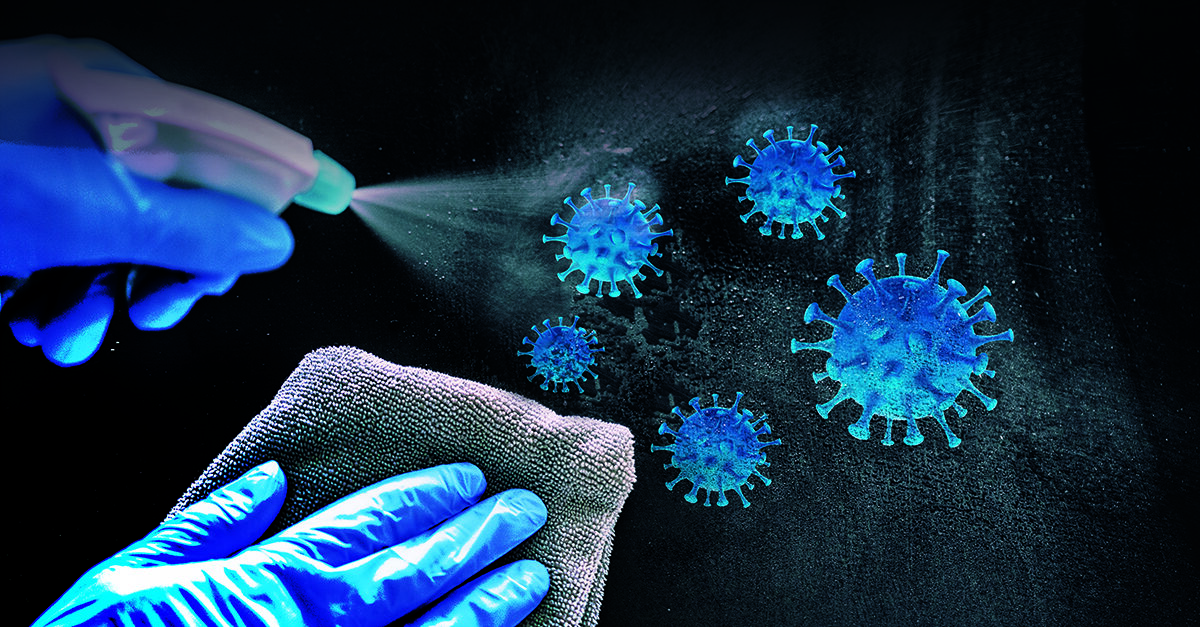
To effectively “clean” COVID-19 from your environment, it’s essential to follow a two-step process: first, clean the surfaces using soap and water to eliminate dirt and germs; then, disinfect those surfaces with EPA-approved products, such as bleach, alcohol, or hydrogen peroxide, to kill the SARS-CoV-2 virus.
Pay particular attention to high-touch areas, such as doorknobs, phones, and countertops, where germs are most likely to linger. Although the CDC indicates that the risk of transmission from surfaces is generally low, prioritizing good ventilation and practicing proper hand hygiene are crucial for overall safety.
What You’ll Need:
- Soap and Water: For initial cleaning to remove dirt and grime.
- Disinfectant: Choose from EPA-approved options; consult the EPA’s list for guidance.
- Gloves: To protect your hands during the cleaning process.
- Paper Towels or Disposable Cloths: For wiping surfaces clean and ensuring hygiene.
Cleaning & Disinfecting Steps:
- Clean First: Begin by thoroughly washing surfaces with soap and water to ensure you remove not just visible dirt but also germs.
- Rinse (Optional): If necessary, rinse the surface to eliminate any soap residue.
- Disinfect: Generously apply your chosen disinfectant, allowing it to sit for the duration specified on the product label—this is referred to as the “dwell time.”
- Dry: Let the surface air dry or wipe it with a clean cloth to ensure it’s free from moisture.
High-Touch Surfaces to Focus On:
- Doorknobs and Handles: Frequently touched by multiple people, making them hotspots for germs.
- Phones, Tablets, and Keyboards: Personal devices that often go uncleaned yet are touched frequently throughout the day.
- Countertops, Tables, and Desks: Common surfaces that gather spills and germs, especially in shared spaces.
- Faucets, Toilets, and Sinks: Areas in the bathroom and kitchen that experience frequent contact.
Key Reminders:
- Ventilation: Enhance airflow by opening windows to facilitate fresh air circulation, which is vital for reducing airborne virus particles.
- Hand Hygiene: Practice washing hands regularly with soap and water, especially after cleaning and before meals.
- CDC Guidance: While cleaning and disinfecting are essential, remember that the risk of contracting the virus from contaminated surfaces is generally low compared to airborne transmission. Please focus on wearing masks when appropriate, ensuring they’re doing well, and maintaining diligent handwashing practices.
Expert Medical Waste Management: With over 25 years of industry experience, Secure Waste is a trusted local leader in hazardous and biohazardous waste disposal across Maryland, Virginia, and Washington, D.C. Specializing in medical waste management, sharps needle disposal, and biohazard waste removal, the company ensures full compliance with federal, state, and local regulations while prioritizing environmental sustainability.
The company also offers additional services, including secure document shredding and sharps container sales, providing comprehensive solutions for healthcare facilities and businesses. Our cost-effective services help clients maintain regulatory compliance without unexpected costs.
With a commitment to customer satisfaction, Secure Waste offers tailored waste management plans that align with industry best practices. Their team of experts provides reliable, timely, and compliant services, making them the preferred choice for medical waste disposal. For a free waste quote or more information, visit www.securewaste.net