
Can Diabetics Donate Plasma? Get The Answer Today
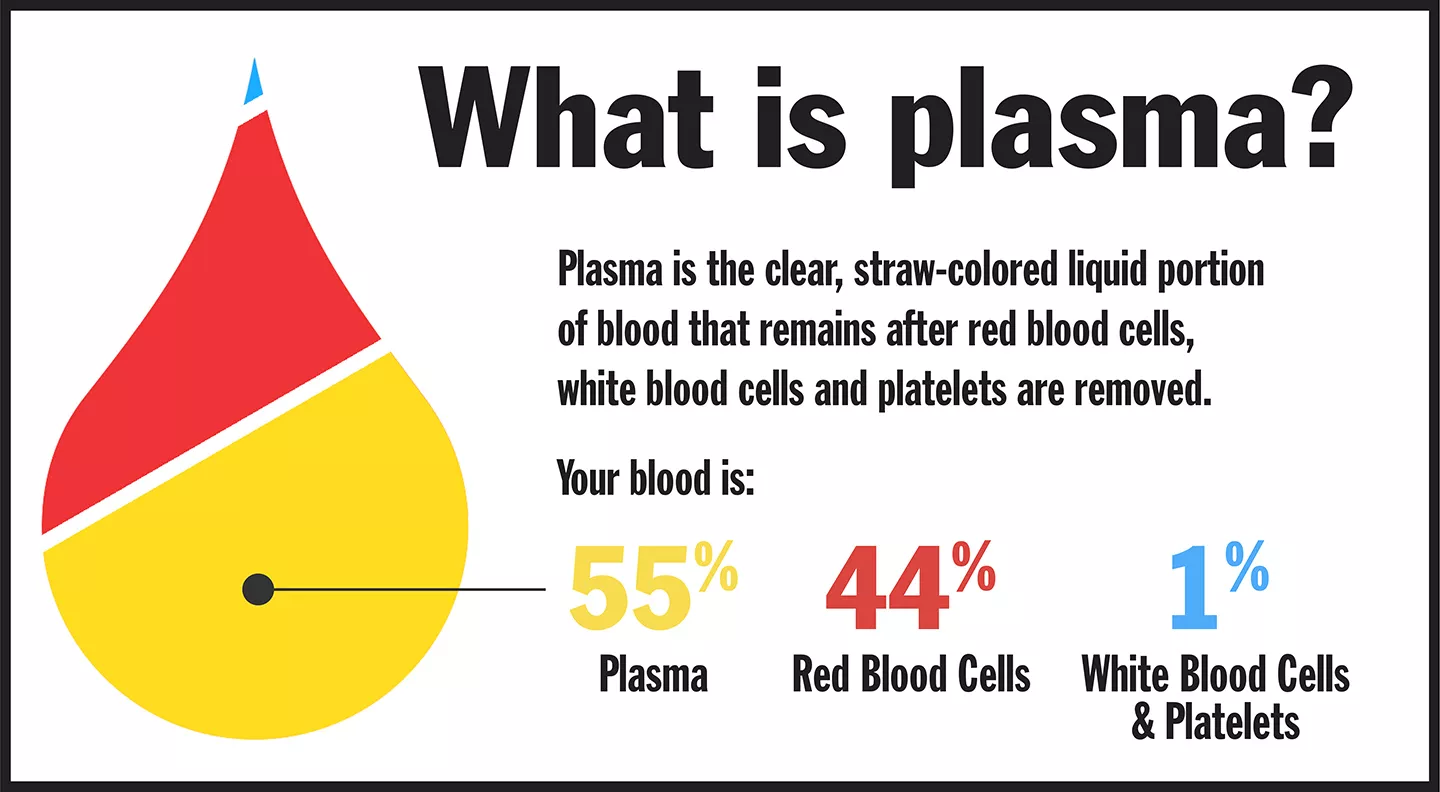
Secure Waste explains that Individuals living with diabetes can often successfully donate plasma, provided their condition is well-managed and their blood sugar levels are consistently within a healthy range. What is Plasma? Could you get the answer here?
Potential donors must be free from additional complications such as heart disease, kidney disease, or severe neuropathy, as these conditions can adversely affect their eligibility to donate.
Both individuals with Type 1 and Type 2 diabetes are encouraged to donate plasma, provided they meet the health criteria on the day of donation.
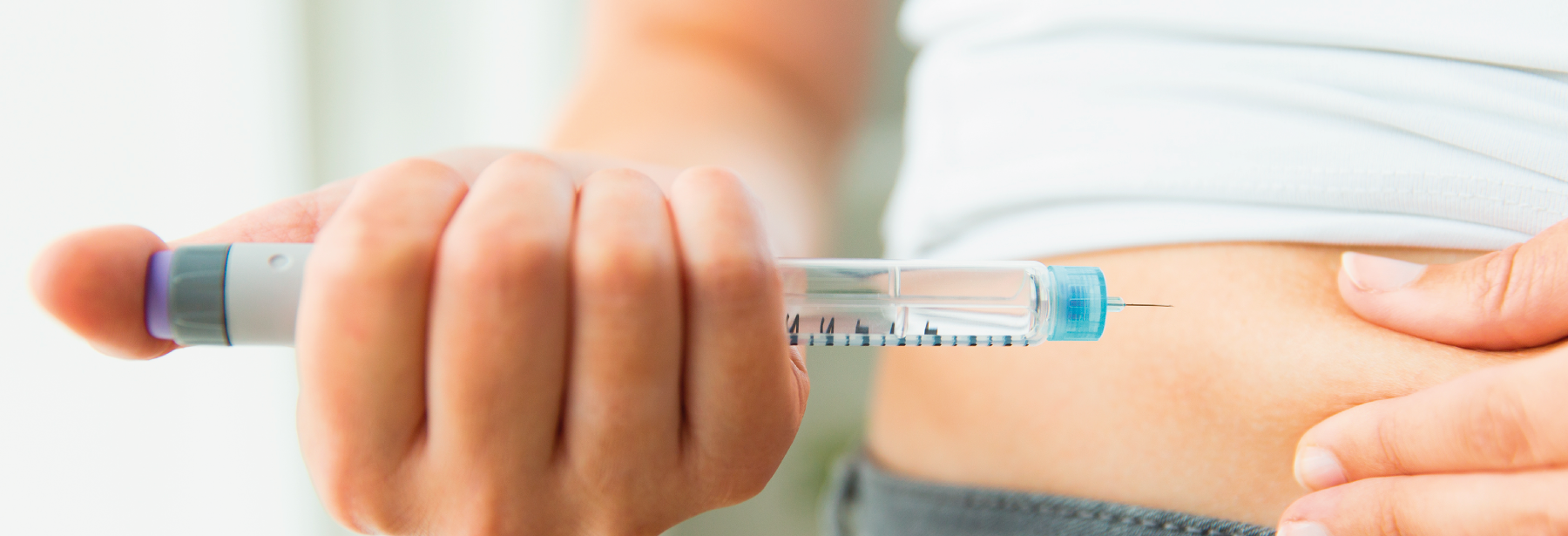
Yes, people with diabetes can donate plasma! However, they need to manage their condition well to ensure a safe donation. They should know the guidelines and what they mean for them. Let’s look at the key things for people with diabetes who want to donate plasma and make a positive difference.
People with diabetes often wonder about their eligibility to donate blood Generally individuals who have well managed diabetes can donate blood or plasma provided they meet other standard health criteria They need to maintain stable blood sugar levels as fluctuations can pose risks during the donation process Before donating people with diabetes should consult their healthcare team to ensure they follow the necessary guidelines and understand how their condition might affect their donation experience Blood donation organizations also typically have specific protocols in place for diabetic donors so its a good idea to check with them as well
Who Handles The Most Blood And Plasma Drives In The United States?
Secure Waste details that the American Red Cross is the largest provider of blood drives and blood products in the United States, accounting for approximately 35% of the nation’s total blood supply.
They facilitate around 14,000 donations each day through a combination of mobile blood drives and fixed donation sites. In addition, America’s Blood Centers (ABC), which represents the largest network of community-based, independent blood centers, collectively supplies 60% of the blood used nationwide.
Welcome to Secure Waste, a leader and forward-thinking company in the disposal of sharp needle waste in Maryland, Washington, D.C., and Virginia.
With 30 years of experience assisting local organizations that manage blood and plasma, Secure Waste is dedicated to providing safe and compliant solutions for medical waste disposal.
We want to share insights we’ve gained about being a donor and the plasma donation process.
As someone with family members who have diabetes and a personal concern for diabetes, I understand the importance of this issue and am committed to supporting you in this journey. Let’s explore this topic together and deepen our understanding of safe practices and the significant impact of plasma donation.
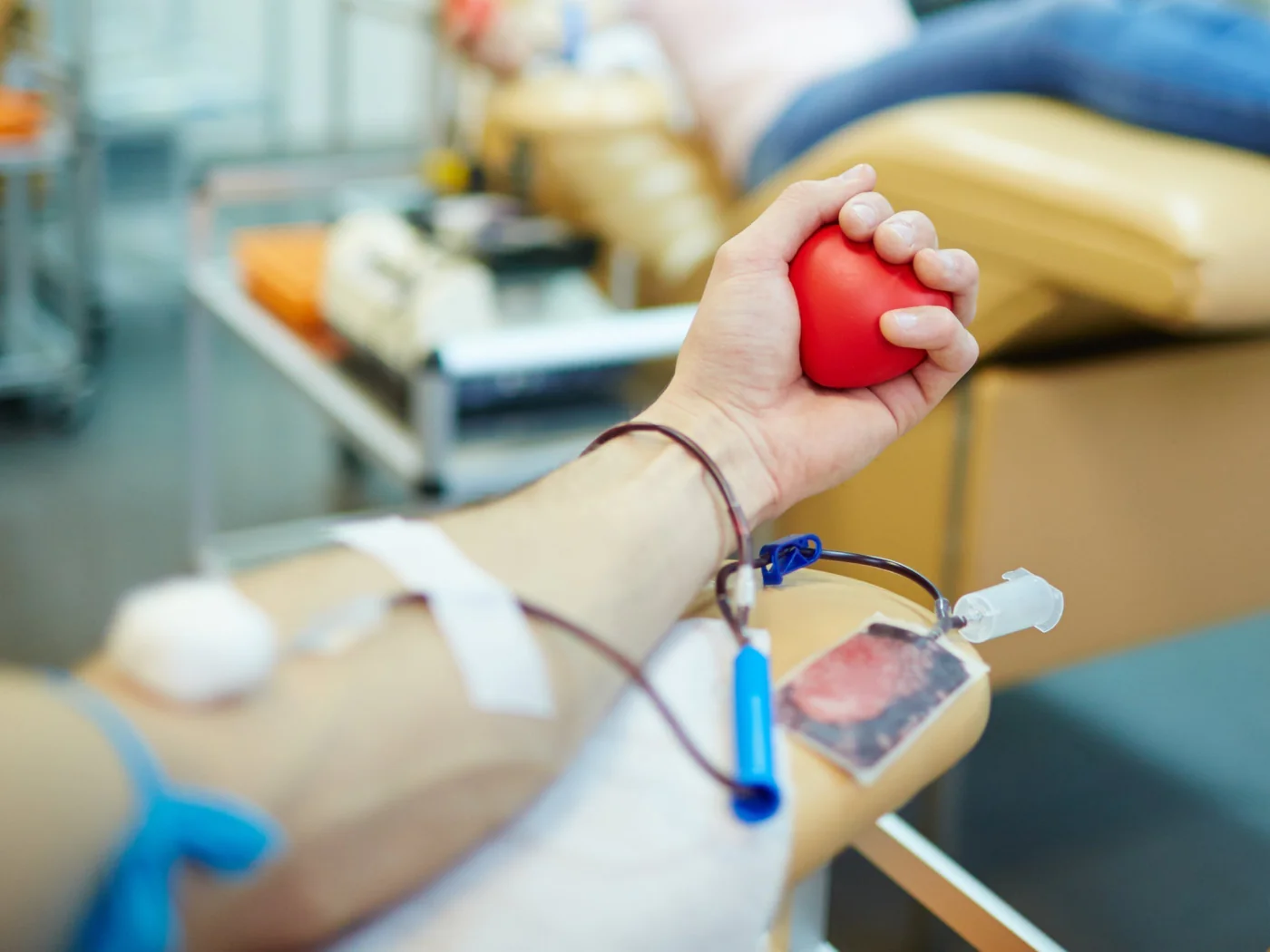
Key Guidelines For Diabetic Plasma Donors:
- Management is Key: Effective diabetes management is integral to a successful donation. This includes maintaining a balanced diet rich in whole foods, including a variety of vegetables, lean proteins, whole grains, and healthy fats. Regular physical activity, such as at least 150 minutes of moderate aerobic exercise weekly, is also beneficial. Adherence to prescribed treatments, including oral hypoglycemic medications or insulin therapy, helps stabilize blood sugar levels. Monitoring blood sugar levels diligently before donation is imperative, aiming for readings that fall within a safe range.
- Safety Check: On the day of the donation, potential donors must feel healthy and have stable blood sugar levels. A pre-donation blood sugar reading should ideally fall between 70 mg/dL and 180 mg/dL. This range not only ensures a safer donation experience but also mitigates potential complications such as hypoglycemia, which can lead to dizziness or fainting during the donation process.
- Doctor Consultation: Before donating, it is advisable to have a thorough discussion with your healthcare provider. This consultation should cover your diabetes management plan, recent fluctuations in your blood sugar levels, and whether it is safe for you to donate, given your individual health circumstances. If there have been any recent changes in your condition or treatment regimen, these should be explored in detail.
- Disclosure: Honesty is paramount when interacting with donation center staff. Be open about your diabetes, including specific details such as the type (Type 1 or Type 2), your current medications, insulin regimen, and any other ongoing treatments. This information is critical to ensuring your safety throughout the donation process and to help staff make informed decisions about your eligibility.
- Hydration: Staying well-hydrated is essential before and after your plasma donation. Aim to drink plenty of water in the 24 hours leading up to your donation appointment—aim for 8 to 10 glasses. Continued hydration post-donation is equally essential to help restore plasma volume and minimize risks such as post-donation dizziness, fatigue, or other adverse effects.
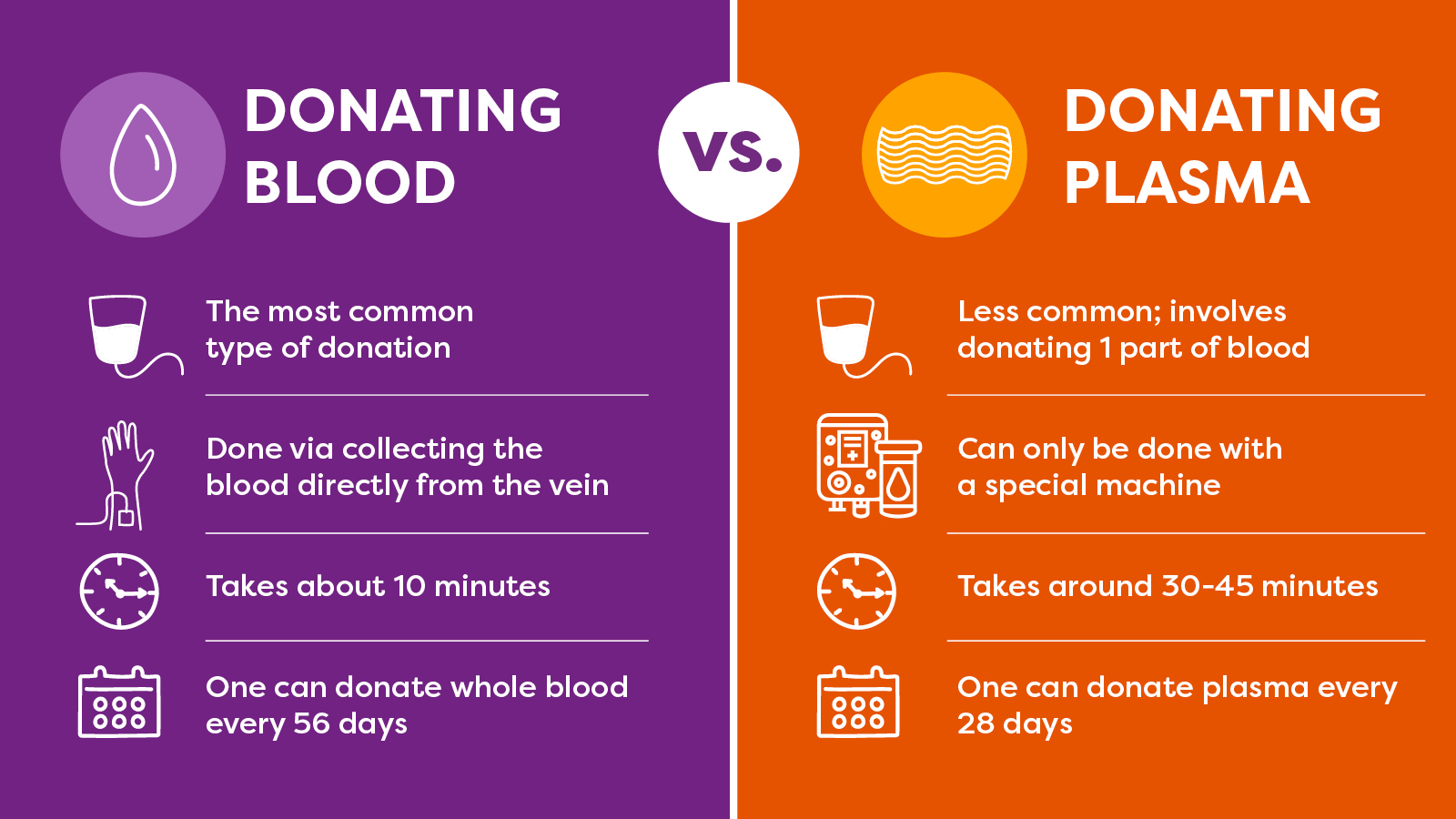
This chart provides a detailed comparison between blood and plasma focusing on their roles and implications in the context of diabetes Understanding the differences can help better manage the condition and make informed decisions about treatment and monitoring
When You Might Be Deferred From Donating Blood If You Have Diabetes :
- Uncontrolled or Unstable Blood Sugar Levels: If your blood sugar levels have been erratic—showing significant highs or lows—or poorly regulated in the days leading up to your donation, it is prudent to postpone until your levels stabilize. This can help avoid complications during the donation process.
- Diabetes-Related Complications: The presence of considerable diabetes-related complications—such as severe neuropathy that affects mobility, chronic kidney disease that impacts overall health, or specific cardiovascular conditions like heart disease—can disqualify you from donating. These complications pose increased health risks during and after the donation.
- Recent Changes to Medication or Treatment Plans: If you have made recent modifications to your medications, adjusted your insulin dosage, or switched treatment plans (such as changing from injections to an insulin pump), it is essential to consult with your healthcare provider. They can help assess how these changes can influence your donation eligibility and ensure your safety.

Diabetes can significantly alter the composition of plasma Plasma the liquid component of blood plays a crucial role in transporting nutrients hormones and waste products throughout the body In individuals with diabetes the levels of glucose and other substances in the plasma may become imbalanced due to the bodys inability to regulate blood sugar levels effectively This can lead to various complications including cardiovascular issues kidney disease and nerve damage Monitoring plasma levels is essential for managing diabetes and preventing complications Regular blood tests can help track these changes and guide treatment decisions to maintain overall health
If you meet all the outlined criteria, you may typically donate plasma up to twice a week, with a minimum of 48 hours between donations. This schedule allows for adequate recovery time, which is crucial for supporting your health and meeting the urgent needs of individuals who rely on plasma donations for vital medical treatments.
In Conclusion:
Secure Waste will save you money on medical waste disposal. We understand these hazards.
Staying informed and proactive is vital as new biological challenges arise. Together, we can prioritize health and safety, increase awareness, and promote responsible actions to create a healthier future for all!
We provide reliable, compliant, and environmentally friendly biomedical waste disposal solutions tailored to your facility’s specific needs.
**Disclaimer** This information is provided for reference purposes only and should not be considered as legal advice or factual information at the time of your reading. Regulations frequently change and can vary from state to state. We encourage you to contact your local regulatory authorities or Secure Waste directly for the most current information. Please note that Secure Waste is not liable, in part or in whole, for any information contained on this page or website.
Expert Medical Waste Management: With over 25 years of industry experience, Secure Waste is a trusted local leader in hazardous and biohazardous waste disposal across Maryland, Virginia, and Washington, D.C. Specializing in medical waste management, sharps needle disposal, and biohazard waste removal, the company ensures full compliance with federal, state, and local regulations while prioritizing environmental sustainability.
The company also offers additional services, including secure document shredding and sharps container sales, providing comprehensive solutions for healthcare facilities and businesses. Our cost-effective services help clients maintain regulatory compliance without unexpected costs.
With a commitment to customer satisfaction, Secure Waste offers tailored waste management plans that align with industry best practices. Their team of experts provides reliable, timely, and compliant services, making them the preferred choice for medical waste disposal. For a free waste quote or more information, visit www.securewaste.net