A Decade Of Key Healthcare Regulatory Changes For Medical Waste Management
Secure Waste explains that major healthcare regulatory developments affecting waste management, pharmaceuticals, and safety standards, and how organizations can stay compliant in a changing landscape.
Welcome to Secure Waste, a prominent local leader in healthcare waste management in the DMV (District of Columbia, Maryland, Virginia) area. With over 30 years of experience, Secure Waste specializes in the safe and compliant disposal of medical and healthcare waste for a diverse range of providers, including hospitals, clinics, dental offices, and laboratories throughout the region.
Looking back over the past decade, we can see significant changes in the healthcare waste management landscape.
These changes reflect advancements in technology, evolving regulations, and a growing emphasis on sustainability and safety. At Secure Waste, we continuously adapt to these developments, ensuring that we provide our partners with the highest standards of service and reliability.
Let’s delve into some of these key changes and how they impact our commitment to safe waste disposal.

Healthcare organizations are facing significant regulatory changes that could impact their operations compliance and overall delivery of care Understanding these changes is essential for navigating the evolving landscape of healthcare regulations
Key Regulatory Changes Healthcare Organizations Must Prepare For
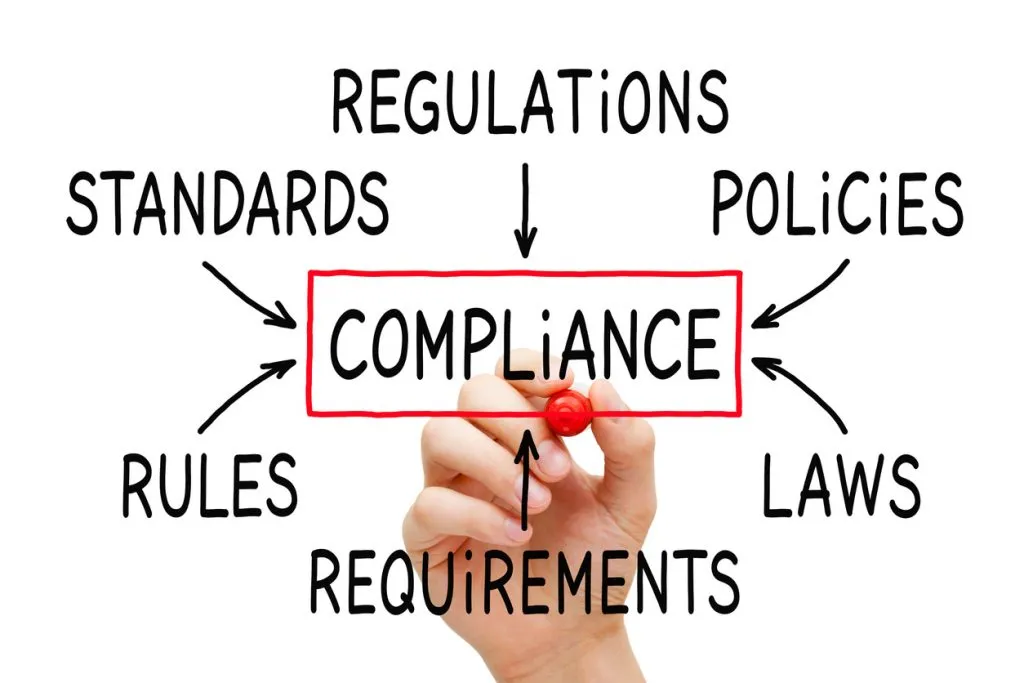
Regulatory compliance remains one of the most complex and demanding responsibilities for healthcare organizations.
As federal and state agencies continue to refine safety, environmental, and waste management rules, healthcare providers must stay informed to avoid compliance gaps that can lead to penalties, operational disruption, and reputational risk.
Periods of regulatory transition present both challenges and opportunities for organizations to reassess their systems, strengthen compliance programs, and improve operational efficiency.
Healthcare regulations rarely change in isolation.
Updates at the federal level often trigger additional state-level action, resulting in layered requirements that vary by jurisdiction. Organizations that monitor regulatory trends proactively are better positioned to adapt quickly and integrate new requirements into existing workflows without compromising patient care or safety.
Updates Affecting Pharmaceutical Waste Management
One of the most impactful regulatory developments affecting healthcare organizations involves hazardous pharmaceutical waste disposal. Federal environmental regulators introduced new requirements to clarify how pharmaceutical waste must be managed, stored, and disposed of across healthcare facilities of all sizes.
These rules apply broadly to hospitals, clinics, pharmacies, long-term care facilities, and other healthcare providers that generate pharmaceutical waste.
Facilities classified as small or large quantity generators are required to follow the updated framework and formally notify regulators of their compliance status. Very small quantity generators may be permitted alternative options, but must still document their decisions.
The updated rules refine how containers are classified as empty, including those that previously held certain hazardous substances.
Clarification around nicotine-related waste has also helped distinguish between regulated pharmaceutical waste and approved consumer products, reducing confusion for healthcare staff. These changes underscore the importance of accurate waste classification and proper staff training.
Why Pharmaceutical Waste Rules Matter
Improper handling of pharmaceutical waste poses risks to environmental safety, public health, and organizational compliance. Clear regulatory guidance helps reduce the likelihood of hazardous substances entering landfills or water systems.
For healthcare organizations, adherence to pharmaceutical waste regulations supports sustainability goals while reducing regulatory exposure.
Facilities must review internal procedures to ensure pharmaceutical waste is segregated correctly, stored securely, and removed through compliant channels. Failure to do so can result in citations, fines, and corrective action requirements. Strong waste management partnerships and ongoing education are critical to maintaining compliance.
State-Level Regulatory Activity Continues to Expand
In addition to federal updates, many states continue to revise their regulated waste management requirements.
These changes often reflect local environmental priorities, funding considerations, and public health initiatives. Healthcare organizations operating across multiple states face additional complexity, as requirements may differ significantly from jurisdiction to jurisdiction.
Some states have recently updated their regulated waste rules, while others are actively considering changes related to sharps disposal programs and pharmaceutical take-back initiatives. Funding mechanisms for these programs are also under review in several regions, which may affect how disposal services are implemented and financed.
Healthcare organizations should monitor state regulatory activity closely and work with knowledgeable partners to ensure localized compliance. Understanding state-specific requirements helps prevent unintentional violations and supports smoother inspections and audits.
Hazard Communication Standards and Global Alignment
Workplace safety regulations continue to evolve alongside international standards. Occupational safety regulators have proposed updates to hazard communication requirements to better align with the Globally Harmonized System for the Classification and Labeling of Chemicals.
This system establishes consistent criteria for identifying chemical hazards and communicating risks through standardized labels and safety data sheets.
Alignment with global standards improves clarity for workers who handle hazardous materials and reduces confusion in environments where multiple chemical products are used. For healthcare organizations, these updates may require revisions to labeling practices, training materials, and internal documentation.
Staying ahead of these changes allows organizations to update safety programs proactively rather than reactively. Clear hazard communication supports worker safety and reduces the likelihood of exposure incidents.
Navigating a Constantly Changing Regulatory Environment
The pace of regulatory change can be challenging for healthcare organizations already managing staffing constraints, patient care demands, and financial pressures. Regulatory compliance often competes with other operational priorities, increasing the risk of missed updates or delayed implementation.
Successful organizations approach compliance as an ongoing process rather than a one-time effort. This includes regularly reviewing policies, conducting internal audits, updating training programs, and engaging external expertise when needed.
Proactive compliance planning reduces disruption and builds confidence across the organization.
The Role of Training and Documentation
Training and documentation remain essential components of regulatory compliance. Employees must understand how regulatory changes affect their daily responsibilities, particularly in areas such as waste segregation, pharmaceutical handling, and hazard communication.
Accurate documentation demonstrates compliance during inspections and audits and provides a clear record of organizational efforts. Digital tools and centralized compliance systems can simplify recordkeeping and ensure consistency across departments and facilities.
Partnering With Experts for Regulatory Support
Healthcare organizations do not have to navigate regulatory change alone. Working with experienced waste management and compliance partners provides access to specialized knowledge and operational support. These partners help organizations interpret new requirements, implement compliant processes, and maintain ongoing alignment with regulations.
Secure Waste supports healthcare organizations by providing compliant waste management solutions and guidance that align with evolving regulatory standards. By responsibly handling regulated waste streams and supporting compliance initiatives, Secure Waste helps organizations reduce risk while maintaining operational efficiency. Learn more at https://www.securewaste.net/.
Preparing for What Comes Next
Regulatory updates will continue as healthcare, environmental protection, and workplace safety priorities evolve. Organizations that invest in adaptable compliance programs and trusted partnerships are better prepared to respond to future changes.
By staying informed, consistently training staff, and integrating compliance into everyday operations, healthcare providers can reduce uncertainty and maintain focus on patient care. Regulatory preparedness strengthens organizational resilience and supports long-term success.
Final Takeaway
Healthcare regulatory requirements are constantly changing, affecting how organizations manage pharmaceutical waste, hazardous materials, and workplace safety. Federal and state updates require careful attention, proactive planning, and reliable implementation. By understanding regulatory trends, strengthening internal processes, and partnering with knowledgeable waste management providers, healthcare organizations can stay compliant while protecting patients, staff, and the environment.
Expert Medical Waste Management: With over 25 years of industry experience, Secure Waste is a trusted local leader in hazardous and biohazardous waste disposal across Maryland, Virginia, and Washington, D.C. Specializing in medical waste management, sharps needle disposal, and biohazard waste removal, the company ensures full compliance with federal, state, and local regulations while prioritizing environmental sustainability.
The company also offers additional services, including secure document shredding and sharps container sales, providing comprehensive solutions for healthcare facilities and businesses. Our cost-effective services help clients maintain regulatory compliance without unexpected costs.
With a commitment to customer satisfaction, Secure Waste offers tailored waste management plans that align with industry best practices. Their team of experts provides reliable, timely, and compliant services, making them the preferred choice for medical waste disposal. For a free waste quote or more information, visit www.securewaste.net