OSHA Bloodborne Pathogens Standards: Training & Compliance
Healthcare organizations operate in environments where employee exposure to blood and other potentially infectious materials is a daily reality. To protect workers from serious health risks and prevent the transmission of dangerous diseases, the Occupational Safety and Health Administration (OSHA) established the Bloodborne Pathogens (BBP) Standard. Compliance with this standard is not optional for healthcare employers. It is a critical component of workplace safety, regulatory adherence, and overall patient and staff protection.
Complying with OSHA Bloodborne Pathogens Standards: Training and Policy Requirements
Welcome to Secure Waste, a prominent provider of healthcare waste management services in Maryland, Virginia, and Washington, D.C. We specialize in the safe disposal of biomedical waste and assist our partners in adhering to Bloodborne Pathogens standards. If you’re seeking support with biomedical waste disposal in the DMV area, please contact us today.
Healthcare organizations operate in environments where employees are frequently exposed to blood and other potentially infectious materials. To safeguard workers from serious health risks and prevent the transmission of dangerous diseases, it is essential to comply with regulations issued by the Occupational Safety and Health Administration (OSHA).
The OSHA Bloodborne Pathogens Standard focuses on preventing exposure to viruses, bacteria, and other microorganisms present in blood or certain body fluids. These pathogens can cause severe illness or even death if transmission occurs. Exposure most often happens through:
- Needlestick injuries
- Cuts from contaminated sharps (such as scalpels)
- Contact between infectious material and open wounds, mucous membranes, or broken skin
Because of these risks, the standard applies broadly across healthcare settings, including:
- Hospitals
- Outpatient clinics
- Physician offices
- Laboratories
- Long-term care facilities
Understanding the OSHA Bloodborne Pathogens Standard
The purpose of the Bloodborne Pathogens Standard is to reduce occupational exposure to bloodborne pathogens by requiring employers to implement protective measures. These measures include:
- Staff training
- Written policies
- Vaccination programs
- Engineering controls
- Effective waste management practices
Any healthcare organization where employees may reasonably anticipate contact with blood or other potentially infectious materials must comply.
Do you know who needs protection?
Healthcare employers are responsible for identifying which roles carry exposure risk and ensuring that appropriate safeguards are in place. This includes:
- Clinical staff (nurses, physicians)
- Housekeeping personnel
- Laboratory staff
- Other operational employees who may handle contaminated materials or waste
The Importance of Bloodborne Pathogens Training
Training is one of the most essential components of OSHA BBP compliance. Employers must provide bloodborne pathogens training to all employees who are at risk of occupational exposure.
Training Schedule
Training must be provided:
- At the time of initial assignment
- At least annually thereafter
If an employee’s job duties change in a way that increases exposure risk, supplemental training must be provided.
Training Objectives
Practical bloodborne pathogens training ensures employees understand:
- How exposure occurs
- How to protect themselves
- What to do if an incident happens
Training programs must be comprehensive and practical, enabling workers to apply what they learn in real-world situations.
Required Training Topics
Training topics include:
✓ Overview of bloodborne diseases and their symptoms
✓ Modes of transmission
✓ Steps employees can take to minimize exposure
✓ The organization’s exposure control plan
✓ Use of personal protective equipment
✓ Vaccination availability
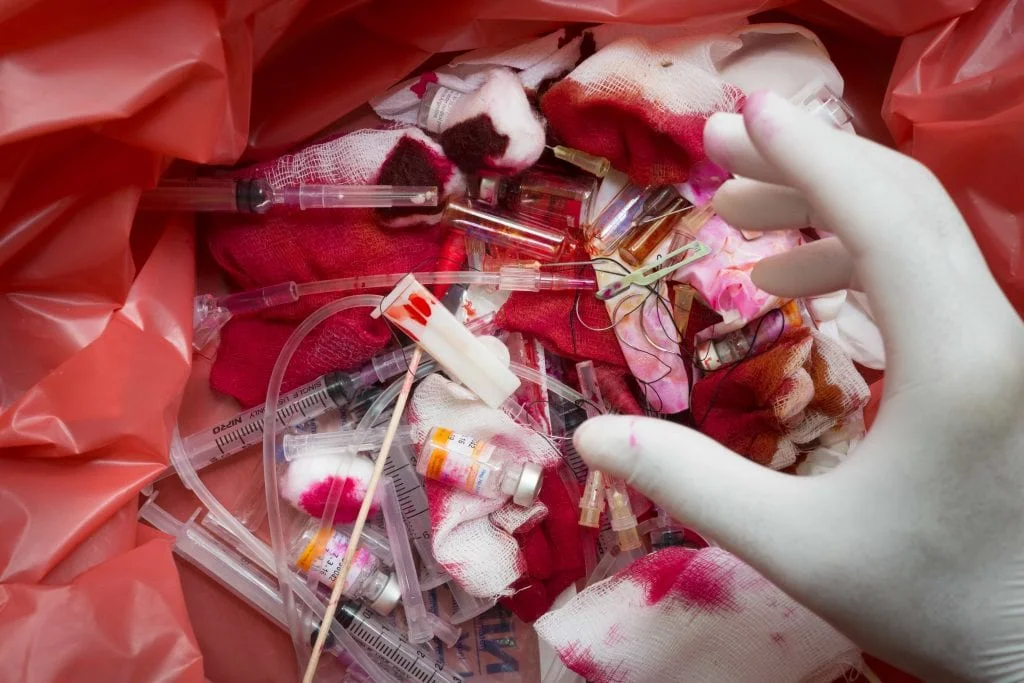
✓ Proper sharps handling and disposal
✓ Reporting procedures following an exposure incident
Online Training Solutions
Online training modules can be particularly effective, allowing employees to complete training at their convenience while ensuring consistency and documentation. Comprehensive online bloodborne pathogens training solutions led by disease prevention experts guide staff through OSHA requirements in a clear, practical manner and are often available in both English and Spanish. Most employees can complete the training in under an hour, making compliance more manageable without sacrificing quality.
Creating and Maintaining an Exposure Control Plan
In addition to training, OSHA requires healthcare organizations to develop and maintain a written Exposure Control Plan. This document outlines:
- How the organization identifies exposure risks
- Prevents incidents
- Responds if exposure occurs
During an OSHA inspection, this plan is often one of the first documents inspectors request, making accuracy and accessibility critical.
What the Plan Should Include
An effective exposure control plan:
- Identifies job classifications and tasks that carry exposure risk
- Details the protective measures used to reduce that risk
These measures may include:
- Engineering controls (such as safer sharps devices)
- Work practice controls
- Administrative policies
- Use of personal protective equipment
Exposure Incident Procedures
The plan must also describe procedures for reporting and managing exposure incidents, including:
- Documentation
- Medical evaluation
- Follow-up care
Annual Review Requirements
Healthcare organizations are required to:
- Review and update their exposure control plans at least annually
- Document that review
As part of this process, employers must evaluate whether safer medical devices are available and whether their use should be required to reduce risk further.
Leveraging Templates
Rather than creating a plan from scratch, many healthcare organizations choose to work with experienced compliance partners. Professionally developed exposure control plan templates can be customized to reflect an organization’s specific operations, helping reduce administrative burden while ensuring regulatory accuracy.
Vaccination, Labeling, and Waste Management
Compliance with the Bloodborne Pathogens Standard extends beyond training and documentation.
Vaccination Programs
Healthcare organizations must also implement vaccination programs, particularly hepatitis B vaccination, for employees at risk of exposure. Vaccinations must be:
- Offered at no cost to the employee
- Documented appropriately
Biohazardous Material Labeling
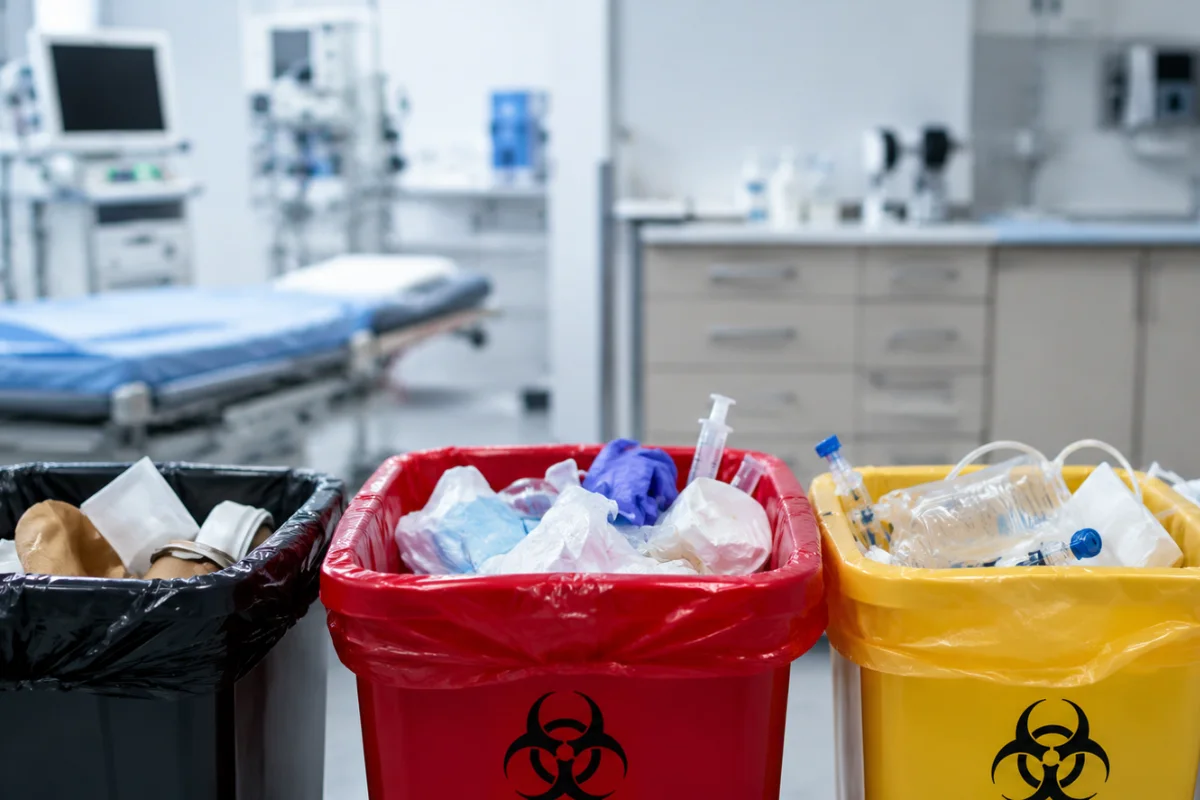
Proper labeling of biohazardous materials is another essential requirement. Containers, bags, and storage areas used for infectious waste must be clearly marked to alert employees to potential hazards. These visual cues play a key role in preventing accidental exposure.
Safe Sharps Disposal
Safe sharps disposal is also critical to reducing needlestick injuries and maintaining compliance. Effective sharps disposal solutions protect employees from injury while supporting environmental and regulatory goals. Many healthcare organizations are transitioning to reusable sharps containers to enhance safety and reduce waste. Compliant sharps disposal solutions are designed to minimize exposure risk and support safe handling throughout the waste lifecycle.
Common Questions About OSHA Bloodborne Pathogens Compliance
Q: What does bloodborne pathogens training entail, and who must receive it?
A: Training is required for any employee reasonably expected to encounter blood or infectious materials, and it must cover both theoretical knowledge and practical safety measures.
Q: How often is training required?
A: OSHA requires training:
- During orientation
- At least annually thereafter
- When job duties change
Exposure control plans must also be reviewed annually, with documentation to demonstrate compliance.
Q: What should an exposure control plan include?
A: At a minimum, it must describe:
- Exposure risks
- Preventive strategies
- Response procedures
- Ongoing evaluation of safety measures
This document serves as the foundation of an organization’s BBP compliance program.
Partnering for Ongoing Compliance
Meeting OSHA Bloodborne Pathogens standards requires:
- Consistent effort
- Education
- Oversight
Regulations evolve, staff turnover occurs, and workplace risks change. Healthcare organizations benefit from working with experienced partners who understand regulatory requirements and can provide ongoing support.
Available Support
Compliance providers help healthcare organizations navigate the complexities of OSHA compliance by offering:
- Bloodborne pathogens training
- Exposure control plan support
- Sharps disposal solutions
- Expert guidance
By partnering with compliance professionals, organizations can:
✓ Strengthen worker safety programs
✓ Reduce compliance risk
✓ Maintain confidence during inspections
Healthcare organizations can deliver comprehensive bloodborne pathogens training and implement policies that safeguard staff through proper planning, ongoing education, and effective compliance programs.
Expert Medical Waste Management: With over 25 years of industry experience, Secure Waste is a trusted local leader in hazardous and biohazardous waste disposal across Maryland, Virginia, and Washington, D.C. Specializing in medical waste management, sharps needle disposal, and biohazard waste removal, the company ensures full compliance with federal, state, and local regulations while prioritizing environmental sustainability.
The company also offers additional services, including secure document shredding and sharps container sales, providing comprehensive solutions for healthcare facilities and businesses. Our cost-effective services help clients maintain regulatory compliance without unexpected costs.
With a commitment to customer satisfaction, Secure Waste offers tailored waste management plans that align with industry best practices. Their team of experts provides reliable, timely, and compliant services, making them the preferred choice for medical waste disposal. For a free waste quote or more information, visit www.securewaste.net