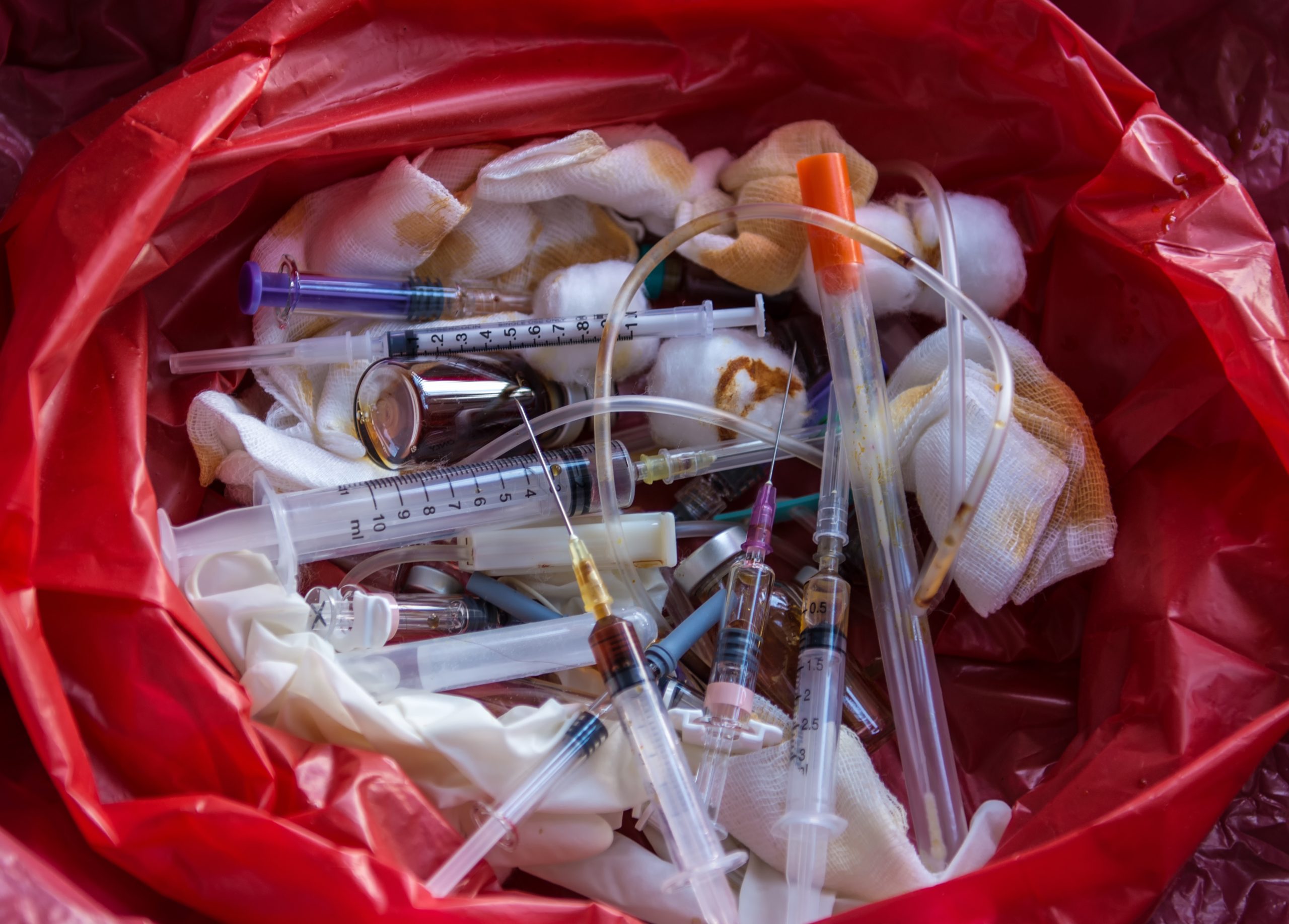
What Is The Difference Between Biomedical Waste and Sharps Waste?
What distinguishes Biomedical waste from Sharps waste? This is an excellent question, and Secure Waste is here to provide clarity. Biomedical waste refers to any waste generated during the diagnosis, treatment, or immunization of humans or animals that poses a potential risk to public health or the environment. This includes items such as contaminated gloves, gowns, and other materials that may have come into contact with infectious agents.
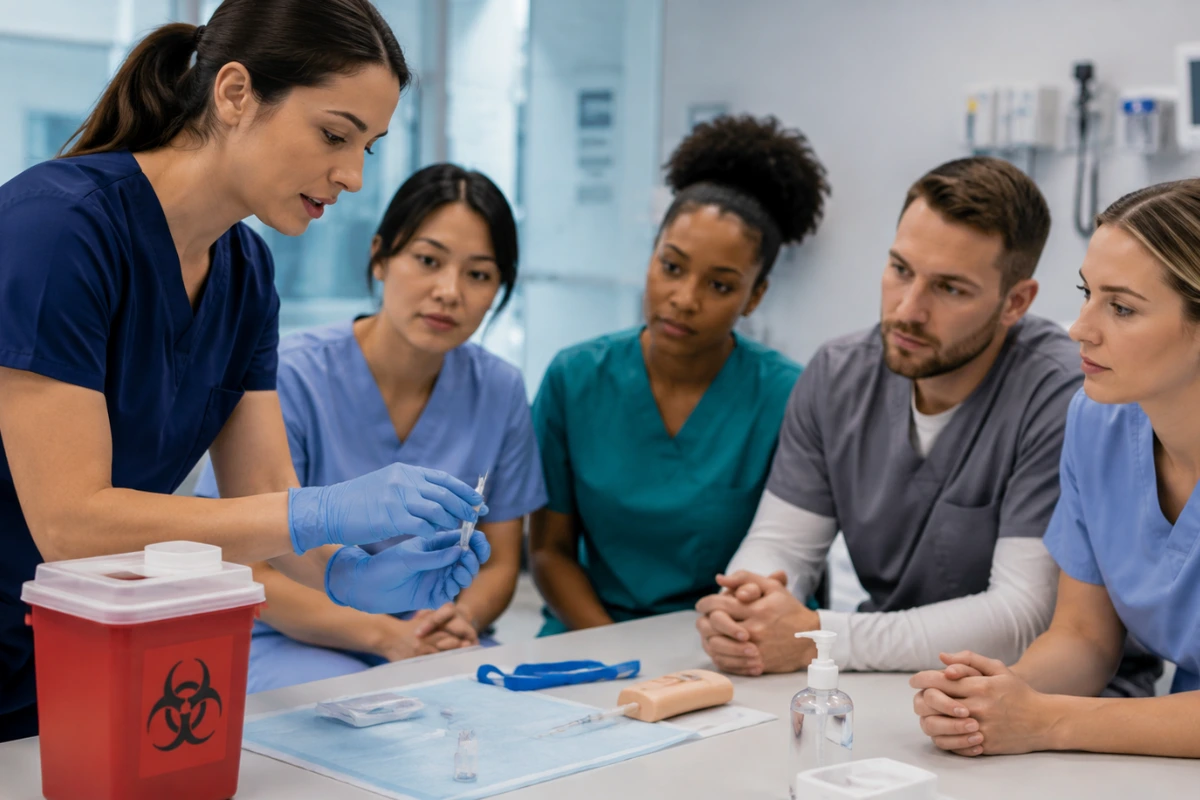
On the other hand, sharps waste is a specific subset of biomedical waste that includes items capable of puncturing or lacerating skin, such as needles, scalpel blades, and broken glass. Proper handling and disposal of sharps waste are critical in preventing injuries and the spread of pathogens.
As a local leader in Biomedical waste management with over three decades of experience, Secure Waste specializes in the safe and efficient handling of various waste streams, including both general biomedical and sharps waste. Our comprehensive services are tailored to meet the unique needs of healthcare facilities across Maryland, Virginia, and Washington, D.C. We offer convenient door-to-door disposal, ensuring your waste is collected and disposed of in compliance with federal and state regulations.
At Secure Waste, we prioritize safety and compliance in every aspect of our operations. Our trained professionals are equipped to manage your waste responsibly, minimizing risks to both your staff and the environment. For more information on our services or to schedule a consultation, please reach out to us at 877-633-7328. Your safe and compliant waste management is our top priority.
Is Medical Waste The Same As Biomedical Waste?

Let’s Delve Into The Differences In Biomedical Waste And Sharps
Biomedical waste refers to a diverse array of materials generated during healthcare activities explained more by the Environmental Protection Agency EPA learn more here, including hospitals, clinics, laboratories, and research facilities. This category of waste poses significant risks to public health and the environment due to the potential presence of pathogens, toxins, or harmful chemicals. One crucial subset of biomedical waste is sharps waste, which includes objects capable of puncturing or cutting the skin. Common examples of sharps waste are used syringes, scalpel blades, needles, and other sharp instruments utilized in medical procedures.
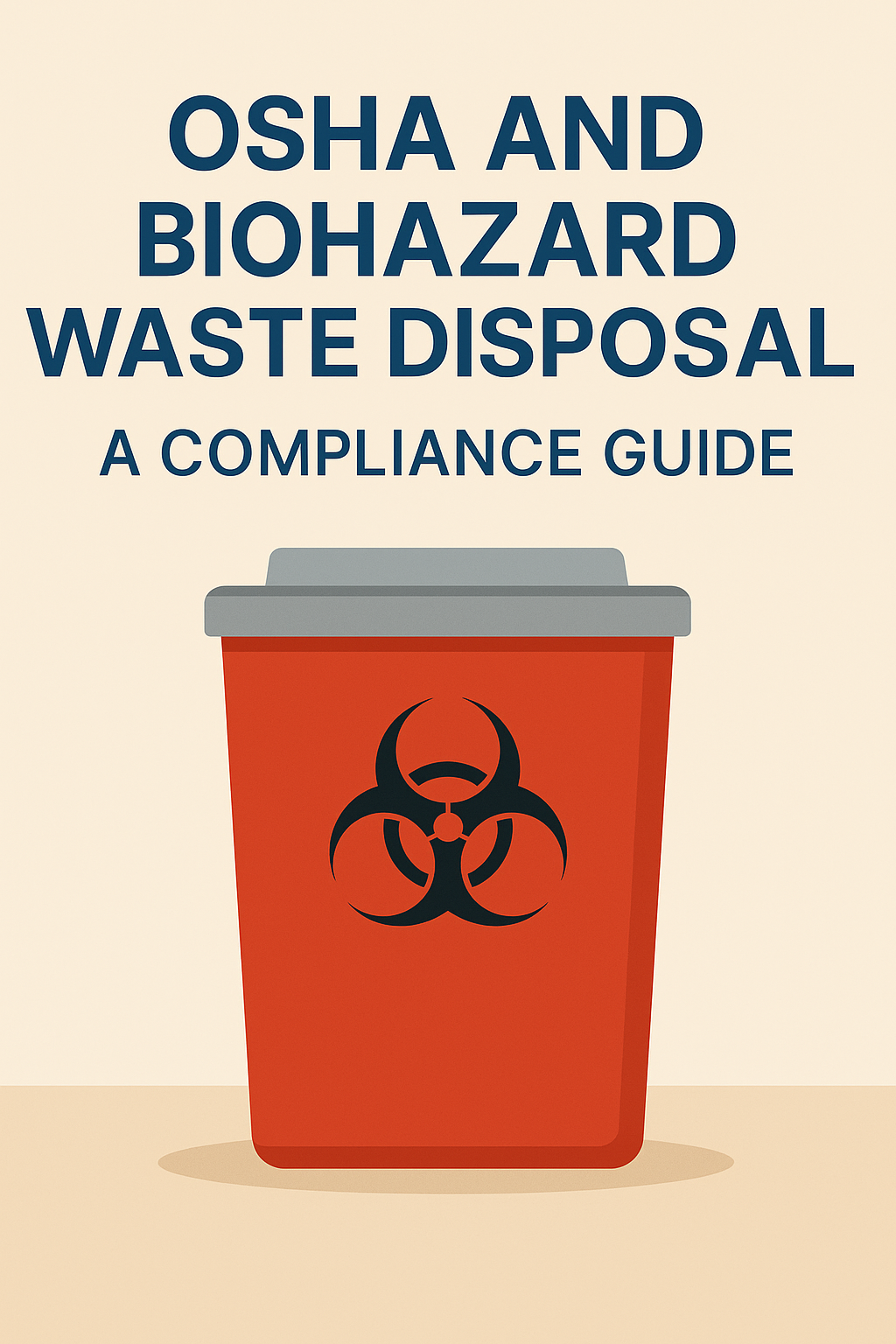
The management of biomedical waste, particularly sharps, is governed by strict guidelines to ensure safety and regulatory compliance. This waste type must be collected in puncture-resistant, leak-proof containers that are clearly marked to minimize the risk of accidental injuries. Proper disposal methods often involve incineration or treatment through other high-temperature processes to inactivate any hazardous pathogens.
To deepen our understanding, we will examine the characteristics and specific disposal requirements of various types of biomedical waste, including infectious, non-infectious, pathological, and chemical waste. By synthesizing our findings, we will gain insight into the interconnectedness of these waste types within the broader framework of biomedical waste management, emphasizing the critical need for comprehensive strategies that prioritize public safety and environmental protection.
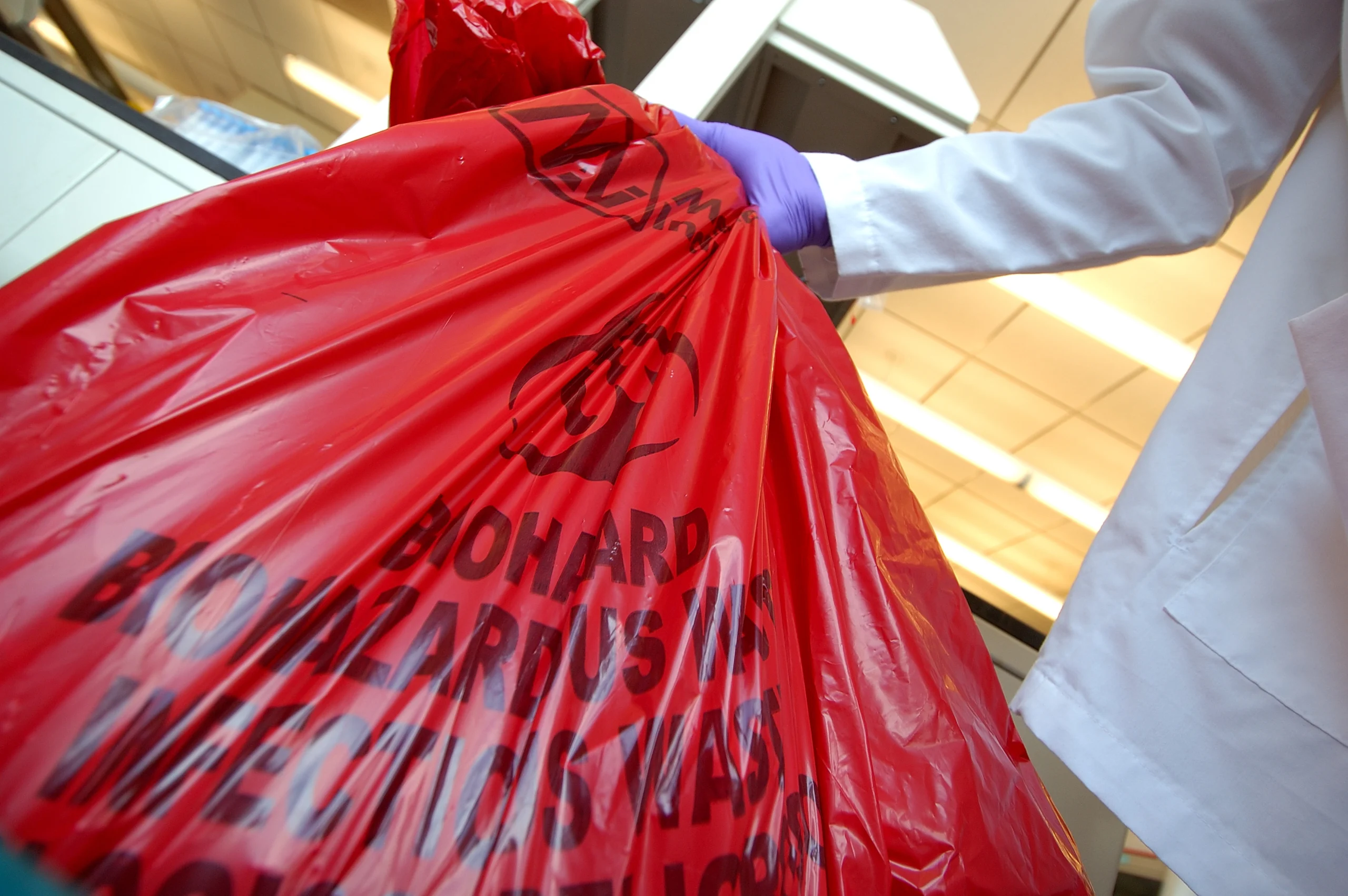
What Is Biomedical Waste?
Biomedical waste (BMW) encompasses any solid or liquid waste produced during the processes of diagnosing, treating, immunizing, or conducting research on humans or animals that poses a significant risk of infection. This type of waste includes contaminated bandages, used syringes and needles, microbial cultures, and various body fluids. The effective management of biomedical waste necessitates specialized strategies for collection, segregation, disinfection, and disposal. Standard disposal methods, such as autoclaving or incineration, are employed to mitigate potential environmental and public health hazards.
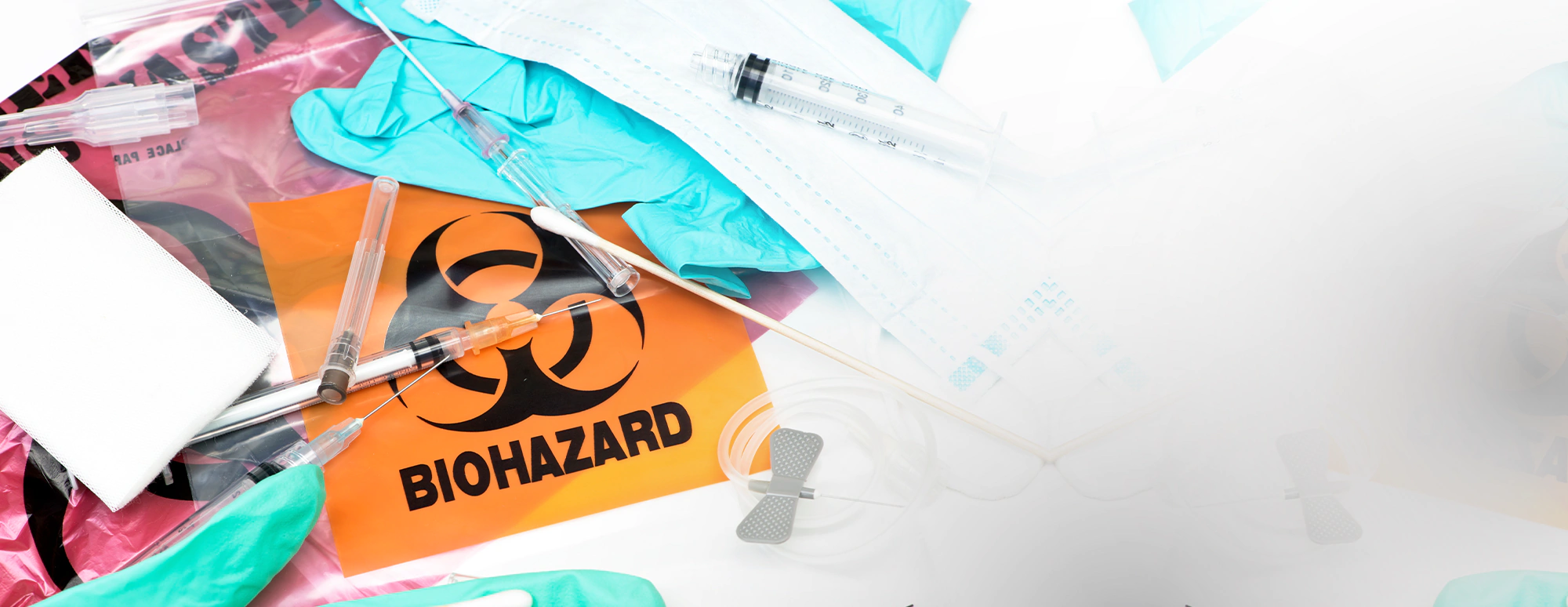
Types and Examples of Biomedical Waste
Biomedical waste can be classified into several distinct categories based on its characteristics and origin:
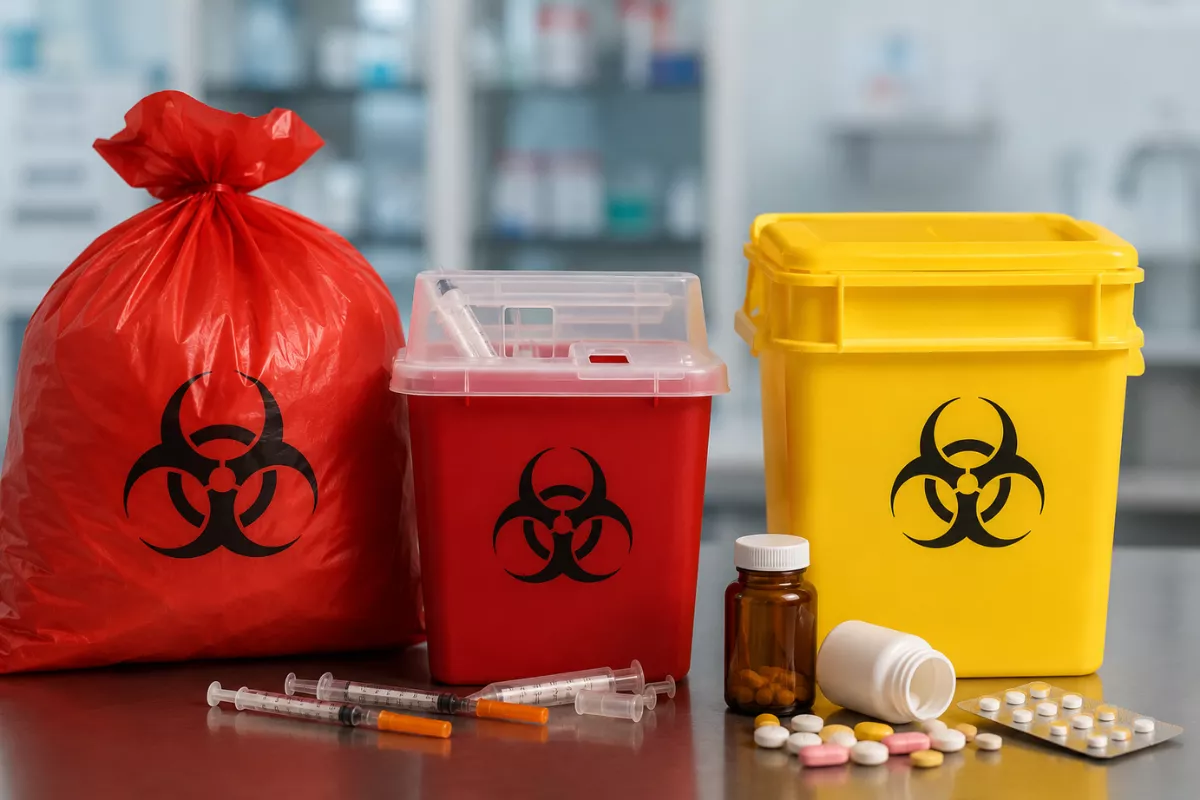
- Sharps Waste: This includes items that are capable of causing cuts or punctures, such as used needles, syringes, scalpels, and shards of broken glass.
- Infectious/Soiled Waste: These materials are contaminated with blood or bodily fluids and encompass items such as gauze, bandages, bedding, and personal protective equipment (PPE).
- Pathological/Anatomical Waste: This category covers human tissues, organs, body parts, and carcasses.
- Microbiological/Lab Waste: This includes cultures, stocks of infectious agents, and live vaccines that are utilized in laboratory settings.
- Pharmaceutical Waste: Refers to expired, unused, or contaminated medications and vaccines that require careful disposal.
- Chemical/Liquid Waste: Comprises waste generated from cleaning, disinfecting, or various laboratory processes, including substances like formalin.
- Cytotoxic Waste: This type encompasses waste that contains substances with genotoxic properties, frequently resulting from cancer treatments.
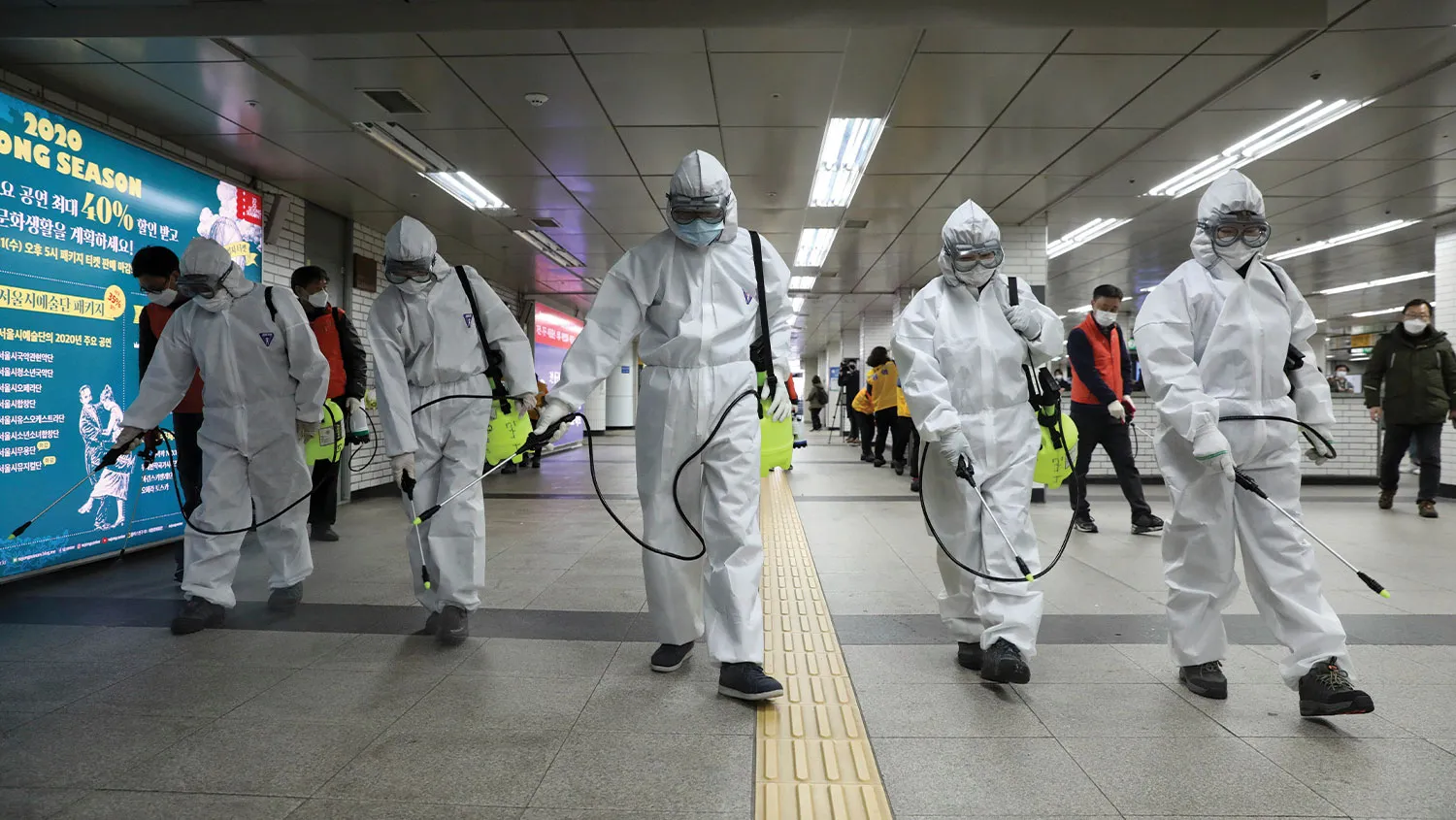
The Function And Management Of Biomedical Waste
The principal objective of rigorous biomedical waste management is to avert the transmission of hazardous pathogens to healthcare workers, the general public, and the environment.
- Segregation: Waste is meticulously separated at the point of origin into color-coded containers to ensure appropriate handling. For instance, sharps are disposed of in puncture-proof containers, while biohazardous materials are placed in red bags.
- Treatment: Treatment methods vary, with incineration employed for anatomical waste, autoclaving (a steam sterilization process) utilized for infectious waste, and chemical disinfection applied as necessary.
- Disposal: After treatment, the waste is either securely disposed of in specially designated landfills or incinerated to reduce it to ash, ensuring that any potential risk is effectively neutralized.
By adhering to these structured protocols, healthcare facilities can safeguard public health and preserve environmental integrity while responsibly managing biomedical waste.
What Is Sharps Container Waste?
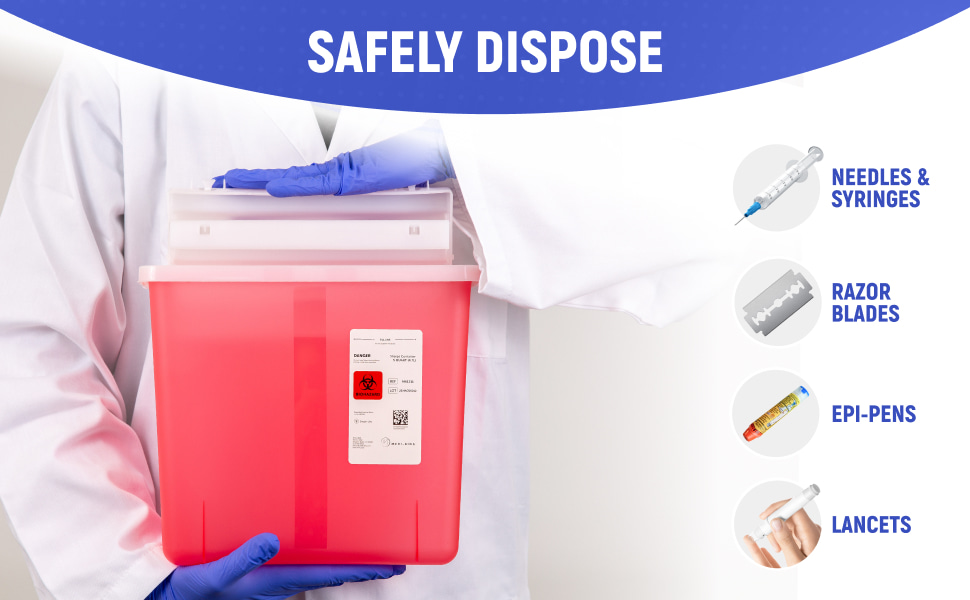
Sharps container waste represents a category of biohazardous materials that pose serious risks due to their potential to puncture or lacerate. This includes medical items such as needles, syringes, lancets, and scalpels, which must be handled with utmost care and disposed of in specially designed, rigid containers that are both puncture-resistant and fitted with secure lids. These sharps are not only hazardous but also capable of transmitting life-threatening diseases such as HIV and hepatitis, necessitating meticulous procedures during handling and disposal.
Common Types of Sharps Waste:
- Needles: Hypodermic needles, primarily used for administering medications, can pose significant risks if not disposed of properly.
- Syringes: These may come with or without attached needles and are often used in a variety of medical settings.
- Lancets: Frequently employed in blood sugar monitoring, these small, sharp instruments are likewise dangerous if mishandled.
- Scalpels and Blades: Surgical instruments that can cause severe injuries and infections if improperly disposed of.
- Broken Glass/Plastic: Any items that have become contaminated with blood or other biohazardous substances fall into this category and require careful disposal.
- Infusion Sets: Tubing units that include needles and are often used for intravenous therapy.
Key Requirements For Handling:
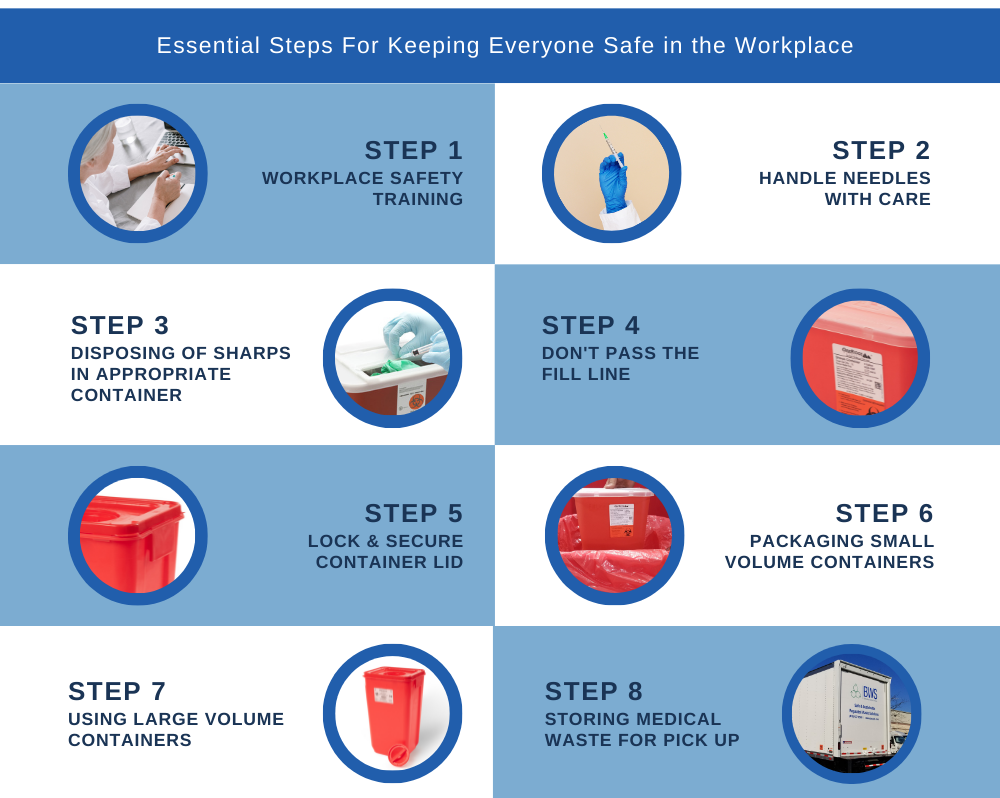
- Puncture-Proof Design: Containers must be engineered to withstand sharp objects, ensuring that they do not pierce through, thereby safeguarding those who handle them.
- Strategic Location: To guarantee immediate access, these containers should be placed conveniently close to the area where the sharps are being used.
- Clear Labeling: Containers must be distinctly marked to indicate their specific purpose, often featuring a visual guideline to indicate when they are nearing capacity.
- Specialized Disposal: Unlike ordinary waste, these containers cannot simply be thrown away; specialized waste management services must collect them. The contents are typically sterilized by autoclaving or incinerated to eliminate potential hazards effectively.
This comprehensive handling and disposal of sharps containers is crucial to maintaining safety in medical environments and protecting public health.
A Better Understanding Of Biomedical Waste
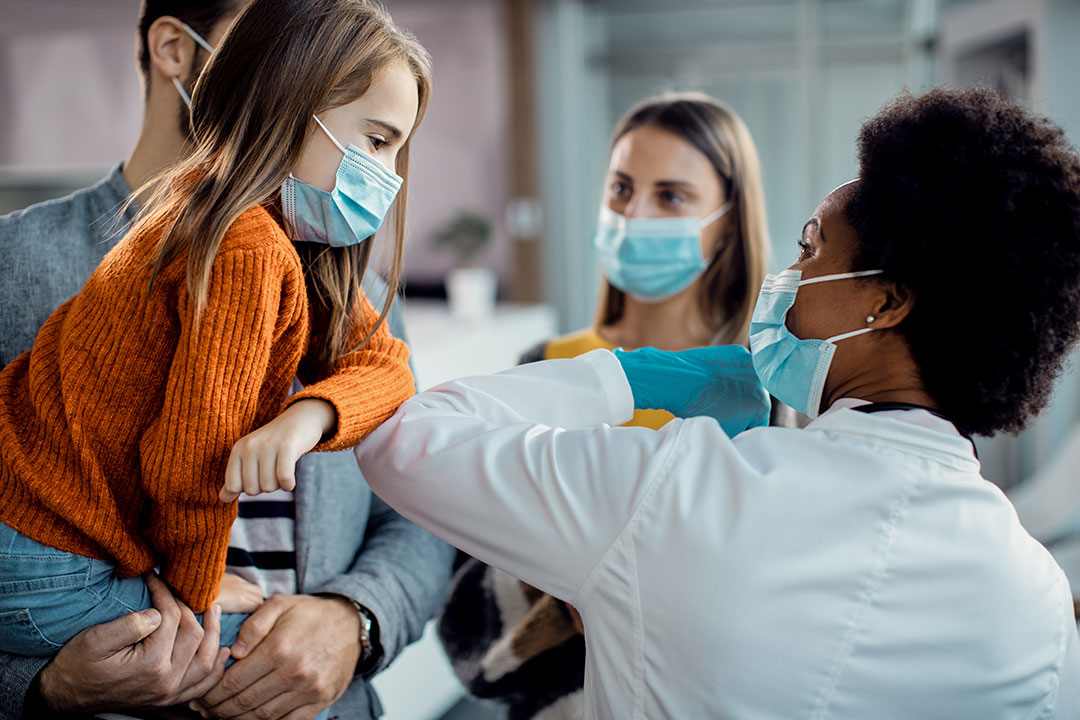
With a clearer understanding of the two distinct categories of waste—Biomedical waste, which includes items contaminated with infectious agents or biological materials, and Sharps waste, comprising items such as needles, blades, and other sharp objects that pose a risk of injury—you are now better equipped to manage your healthcare waste effectively. Proper segregation, storage, and disposal of these waste types are crucial for minimizing risks to healthcare workers, patients, and the community at large.
If you need any more help or guidance in establishing best practices or compliance with local regulations, please do not hesitate to reach out to Secure Waste, your trusted local expert in Biomedical Waste management. Our dedicated team is committed to providing comprehensive support and ensuring safe, responsible disposal practices that protect both public health and the environment. Together, we can contribute to a safer and cleaner future.
In Conclusion:
Secure Waste will save you money on biomedical waste disposal. We understand these hazards.
Staying informed and proactive is vital as new biological challenges arise. Together, we can prioritize health and safety, increase awareness, and promote responsible actions to create a healthier future for all!
We provide reliable, compliant, and environmentally friendly biomedical waste disposal solutions tailored to your facility’s specific needs.
**Disclaimer** This information is provided for reference purposes only and should not be considered as legal advice or factual information at the time of your reading. Regulations frequently change and can vary from state to state. We encourage you to contact your local regulatory authorities or Secure Waste directly for the most current information. Please note that Secure Waste is not liable, in part or in whole, for any information contained on this page or website.
Expert Medical Waste Management: With over 25 years of industry experience, Secure Waste is a trusted local leader in hazardous and biohazardous waste disposal across Maryland, Virginia, and Washington, D.C. Specializing in medical waste management, sharps needle disposal, and biohazard waste removal, the company ensures full compliance with federal, state, and local regulations while prioritizing environmental sustainability.
The company also offers additional services, including secure document shredding and sharps container sales, providing comprehensive solutions for healthcare facilities and businesses. Our cost-effective services help clients maintain regulatory compliance without unexpected costs.
With a commitment to customer satisfaction, Secure Waste offers tailored waste management plans that align with industry best practices. Their team of experts provides reliable, timely, and compliant services, making them the preferred choice for medical waste disposal. For a free waste quote or more information, visit www.securewaste.net