Controlled Substance Waste Management In The Opioid Crisis – Expert Solutions From Secure Waste
Secure Waste, a leading provider in healthcare waste management, takes pride in serving the metropolitan areas of Washington D.C., as well as the diverse regions of Virginia and Maryland. Amidst the ongoing opioid crisis, we understand the urgent need for effective solutions in pharmaceutical waste management. Our commitment extends beyond mere compliance; we actively implement innovative strategies that ensure the safe and responsible disposal of unwanted medications and hazardous materials.
Our comprehensive suite of services includes not only the safe disposal of medical waste but also meticulous handling of various hazardous materials, ranging from biohazardous sharps to potentially toxic pharmaceuticals. We are dedicated to ensuring compliance with all federal and state regulations, including those set forth by the Environmental Protection Agency (EPA) and the Drug Enforcement Administration (DEA).
At Secure Waste, we prioritize the health and safety of our community by offering customized waste management plans tailored to the unique needs of hospitals, clinics, nursing homes, and other healthcare facilities. Our expert team, well-versed in industry standards and best practices, utilizes state-of-the-art technology—including advanced tracking systems and environmentally-friendly disposal methods—to minimize our environmental footprint and promote sustainability.
When you choose Secure Waste for your waste disposal needs, you are not only ensuring the safety and compliance of your waste management practices but also contributing to a cleaner, safer environment. Together, we can create a positive impact in our community, promoting public health and environmental stewardship through responsible waste management.
Management of Waste from Controlled Substances and the Opioid Epidemic in Healthcare
Understanding the Scope of the Opioid Crisis
Prescription opioid misuse continues to be a serious public health issue in the United States. Millions of individuals misuse prescription pain medications each year, contributing to addiction, overdose, and community harm. Healthcare organizations sit at a critical intersection of this crisis, as they prescribe, administer, store, and ultimately dispose of controlled substances daily.
When controlled substances are not handled or disposed of properly, the risk of diversion increases significantly. Diversion fuels misuse, puts patients and staff at risk, and can lead to environmental contamination. Healthcare organizations that proactively address controlled substance waste management play an essential role in protecting their facilities, communities, and surrounding ecosystems.
What Is a Controlled Substance
A controlled substance is any medication regulated by the Drug Enforcement Administration. These substances are categorized into schedules based on their potential for abuse, dependence, and accepted medical use.
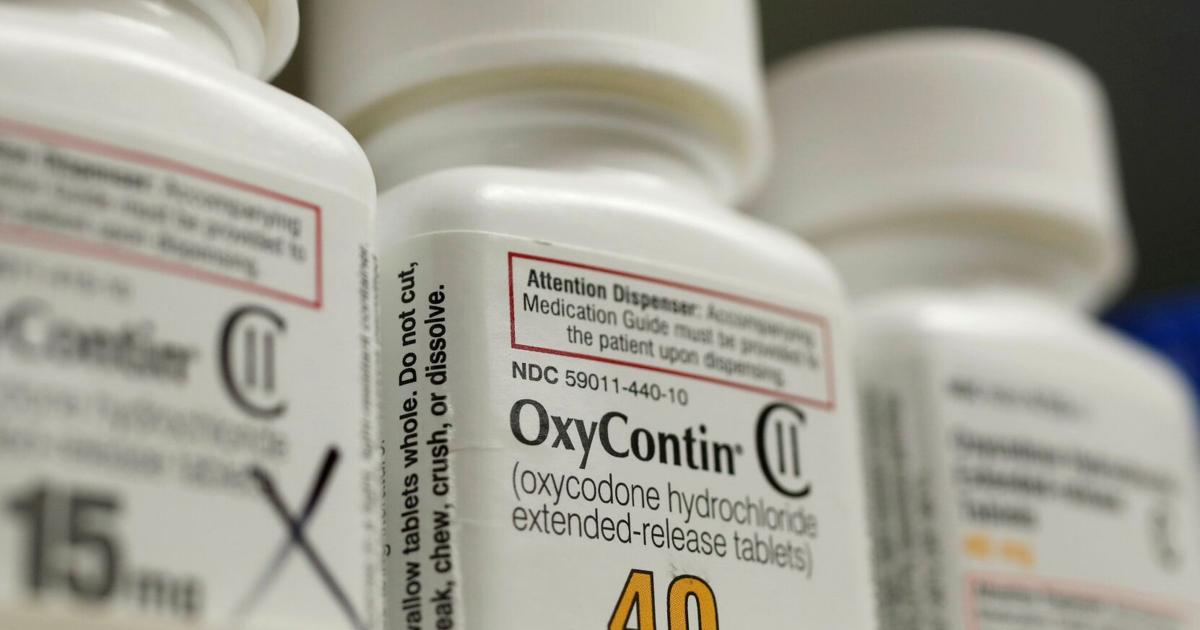
Schedule I substances have the highest potential for abuse and no accepted medical use under federal law. Schedule II through Schedule V substances have decreasing levels of abuse potential and increasing accepted medical use. Many prescription opioids commonly used in healthcare, such as oxycodone, hydrocodone, and morphine, fall into Schedule II or Schedule III categories.
Because these medications are tightly regulated, healthcare organizations must follow strict requirements for storage, administration, documentation, and disposal.
Why Controlled Substances Are Used in Healthcare
Controlled substances play an essential role in patient care. Prescription opioids are commonly used to manage acute pain following surgery, injury, or medical procedures. They may also be prescribed for chronic pain management under careful supervision.
Despite their medical value, these drugs carry a high risk of misuse and addiction. Improper handling or disposal increases the likelihood that unused medications will be diverted for nonmedical use. In some cases, prescription opioids can serve as a pathway to more dangerous substances, including illicit opioids.
Healthcare organizations have a responsibility to reduce these risks by implementing strong controls for managing controlled substances throughout their lifecycle.
Proper Disposal of Controlled Substance Waste
Historically, some healthcare facilities disposed of unused medications by flushing them down sinks or toilets. This practice is now widely recognized as harmful to the environment. Pharmaceutical compounds can enter water systems and contaminate aquatic ecosystems.
In response to these concerns, environmental regulations prohibit the disposal of hazardous pharmaceuticals. Healthcare organizations must now use approved disposal methods that prevent environmental release and eliminate the possibility of drug retrieval.
While regulatory agencies do not mandate a specific container type for controlled substance disposal, industry best practices favor specialized receptacles that deactivate medications upon contact. Once deposited, the drug cannot be retrieved or diverted.
These containers are often placed in patient care areas where controlled substances are administered. Partnering with a licensed waste management provider ensures containers are collected on a regular schedule and replaced with empty units, reducing staff exposure and maintaining the chain of custody.
Understanding Drug Diversion
Drug diversion occurs when controlled substances intended for patient care are redirected for unauthorized or recreational use. Diversion can happen at any point in the medication lifecycle, including storage, administration, and disposal.
Risk factors for diversion include unsecured storage, unattended medications, incomplete documentation, and improper disposal practices. For example, discarding leftover opioids in red bags or sharps containers creates opportunities for retrieval and misuse.
Using the correct disposal container is a critical defense against diversion. Proper systems eliminate access to discarded medications and reduce temptation or opportunity for misuse.
Where Drug Diversion Can Occur
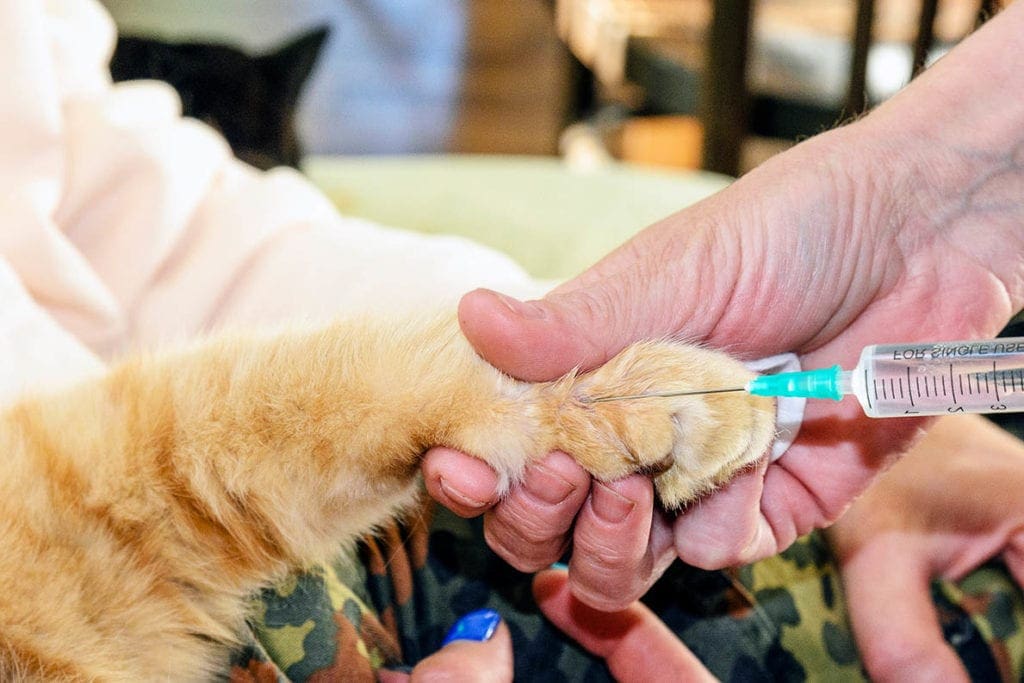
While hospitals and large health systems often receive the most attention, drug diversion can occur in any setting where controlled substances are present. This includes outpatient clinics, long-term care facilities, veterinary practices, and ambulatory care centers.
Because access exists across many healthcare environments, organizations of all sizes should have formal diversion prevention policies in place. Regular staff training reinforces expectations and ensures consistent practices across settings.
Diversion risk also extends beyond healthcare facilities. Unused medications stored in homes present another pathway for misuse. The longer medications remain accessible, the greater the chance others may divert them.
Building an Effective Drug Diversion Prevention Program
Preventing drug diversion requires a structured and comprehensive approach. The foundation of any program is a clear policy that outlines how controlled substances are handled, wasted, witnessed, and disposed of.
Policies should define required procedures, approved equipment, documentation standards, and staff responsibilities. Regular training ensures employees understand not only what to do, but why these practices matter for safety and compliance.
Training should cover proper disposal methods, witnessing requirements, reporting procedures, and the consequences of failing to follow established protocols. Employees should also be trained to recognize suspicious behavior and know how to report concerns without fear of retaliation.
Auditing plays a key role in ensuring compliance with policies. Periodic reviews of medication handling, waste containers, and disposal records help identify gaps before they escalate. Leadership involvement reinforces accountability and supports a culture of compliance.
Helping Patients Dispose of Controlled Substances Safely
Patients often leave healthcare facilities with leftover medications and may ask how to dispose of them safely. While healthcare organizations are generally prohibited from collecting controlled substances directly from patients, staff can provide guidance and resources.
Options may include pre-paid medication disposal envelopes that allow patients to mail unused medications for proper destruction. Community drug take-back events and secure medication kiosks located at pharmacies or law enforcement facilities also provide safe disposal options.
Educating patients on proper disposal helps reduce the risk of diversion at home and supports broader community safety efforts.
Partnering With Experts to Manage Controlled Substance Waste
Managing controlled substance waste requires regulatory knowledge, operational discipline, and reliable systems. Healthcare organizations benefit from working with experienced partners who specialize in compliant waste management.
Healthcare providers across the United States rely on Secure Waste for responsible, controlled-substance waste solutions. Secure Waste supports organizations with compliant disposal systems, diversion prevention strategies, and scheduled waste removal services.
By partnering with professionals, healthcare organizations can reduce risk, protect staff, and contribute to broader efforts to address the opioid crisis.
A Shared Responsibility in Addressing the Opioid Epidemic
Controlled substance waste management is not just an operational task. It is a critical component of patient safety, environmental protection, and community well-being.
Healthcare organizations that implement strong disposal practices and diversion prevention programs demonstrate leadership in addressing the opioid epidemic. Through education, accountability, and professional partnerships, they help reduce misuse while supporting safer healthcare environments.
For organizations seeking compliant and dependable controlled substance waste solutions, Secure Waste provides the expertise needed to protect patients, staff, and communities.
In Conclusion:
Secure Waste will save you money on biomedical waste disposal. We understand these hazards.
Staying informed and proactive is vital as new biological challenges arise. Together, we can prioritize health and safety, increase awareness, and promote responsible actions to create a healthier future for all!
We provide reliable, compliant, and environmentally friendly biomedical waste disposal solutions tailored to your facility’s specific needs.
**Disclaimer** This information is provided for reference purposes only and should not be considered as legal advice or factual information at the time of your reading. Regulations frequently change and can vary from state to state. We encourage you to contact your local regulatory authorities or Secure Waste directly for the most current information. Please note that Secure Waste is not liable, in part or in whole, for any information contained on this page or website.
Expert Medical Waste Management: With over 25 years of industry experience, Secure Waste is a trusted local leader in hazardous and biohazardous waste disposal across Maryland, Virginia, and Washington, D.C. Specializing in medical waste management, sharps needle disposal, and biohazard waste removal, the company ensures full compliance with federal, state, and local regulations while prioritizing environmental sustainability.
The company also offers additional services, including secure document shredding and sharps container sales, providing comprehensive solutions for healthcare facilities and businesses. Our cost-effective services help clients maintain regulatory compliance without unexpected costs.
With a commitment to customer satisfaction, Secure Waste offers tailored waste management plans that align with industry best practices. Their team of experts provides reliable, timely, and compliant services, making them the preferred choice for medical waste disposal. For a free waste quote or more information, visit www.securewaste.net