OSHA Hazard Communications Standard: Expert Solutions From Secure Waste On OSHA
Welcome to Secure Waste, your dedicated partner in Healthcare waste management and disposal. As a local industry leader, we are committed to helping our clients comply with OSHA standards while ensuring the safe handling and disposal of potentially hazardous waste materials.
At Secure Waste, we pride ourselves on being a pioneering, forward-thinking ally to healthcare providers in our community. Our comprehensive range of services includes medical waste disposal, sharps container management, pharmaceutical waste processing, and hazardous waste handling. Each service is meticulously tailored to meet the unique needs and regulatory requirements of individual clients, ensuring that your waste management processes are efficient, compliant, and environmentally responsible.
We proudly serve the regions of Virginia, Maryland, and Washington, D.C., prioritizing safety, efficiency, and sustainability in every facet of our operations. Our team of professionals is equipped with advanced training and the latest technology to safely and securely manage waste, minimizing risks to personnel and the environment.
For more information about how our services can help your organization maintain a safe, compliant waste management program, please reach out to us at 877-633-7328. At Secure Waste, your peace of mind is our unwavering commitment, and we look forward to partnering with you for all your healthcare waste management needs.
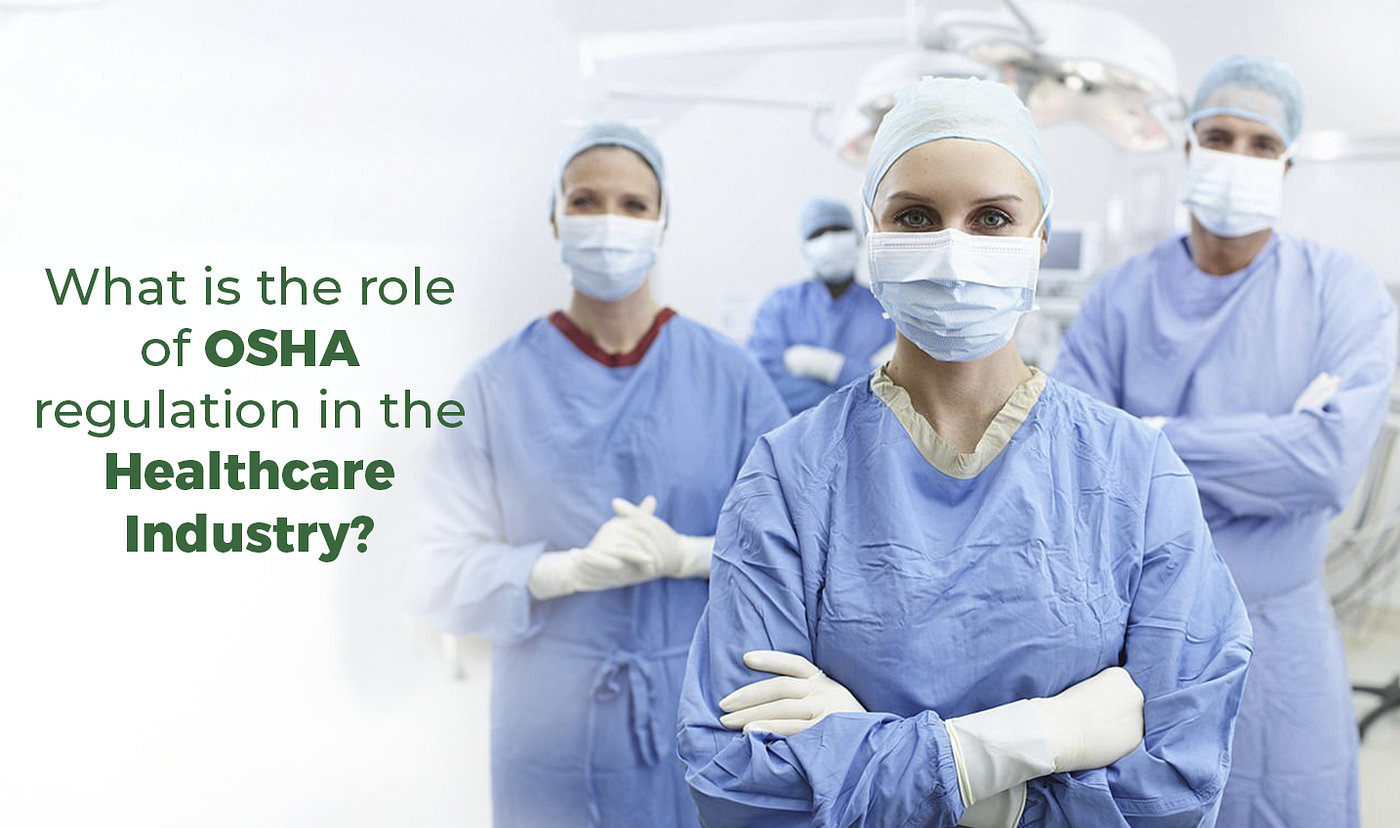
The Hazard Communication Standard set by OSHA
A Clear Guide for Healthcare Organizations
The Occupational Safety and Health Administration established the Hazard Communication Standard to ensure that workers understand the risks associated with hazardous chemicals. Healthcare facilities handle a wide range of chemical products every day, including disinfectants and sterilant, as well as laboratory reagents and pharmaceutical substances. Because of the potential for exposure, OSHA requires employers to provide clear, accurate safety information to staff. Although the full standard is extensive and highly detailed, its core purpose remains simple. Employees must know which chemicals are present, how to work safely with them, and what to do in the event of an emergency.
Healthcare environments depend on chemicals for essential operations. These substances support infection prevention, diagnostic testing, treatment preparation, sanitation, and many other clinical activities. However, they also introduce risks, including skin irritation, respiratory issues, fire hazards, toxicity, and environmental impact. Without proper communication, employees are left vulnerable. The Hazard Communication Standard exists to eliminate these gaps and to ensure that all organizations follow consistent expectations for chemical identification, documentation, labeling, program management, and staff education. Secure Waste helps facilities navigate these responsibilities by providing guidance, compliant systems, and ongoing support.
Chemical Classification and Inventory Management
One of the central pillars of the standard involves identifying and classifying hazardous chemicals within the workplace. OSHA provides specific criteria for determining whether a chemical presents a physical or health hazard. These criteria guide employers in understanding what substances require special handling or additional protective measures. Every healthcare organization must maintain a complete and accurate list of all hazardous chemicals on site. This inventory must be updated routinely and reviewed whenever new products are introduced.
Without a proper classification process, organizations may overlook chemicals that pose significant dangers. Employees might encounter products that appear harmless but contain ingredients that can cause severe reactions. Maintaining a comprehensive list empowers the facility to plan, allocate protective equipment, establish proper storage conditions, and prepare for emergencies. It also supports compliance by ensuring that every chemical in use meets OSHA’s documentation requirements. Secure Waste assists healthcare providers by providing structured inventory tools and expert oversight to ensure chemical listings remain accurate and complete.
Labeling Requirements and Workplace Transparency
The standard also requires that every container holding a hazardous chemical be clearly labeled. These labels must provide essential information, including the name of the chemical, a signal word that highlights the level of danger, the relevant hazard statement, easily recognizable pictograms that convey the type of risk, precautionary language that teaches workers how to stay safe, and supplier identification so that product information can be traced. When a facility receives materials from a manufacturer, the original label typically includes all required elements. The challenge arises when chemicals are transferred into different containers for daily use or smaller quantities.
Healthcare organizations must create workplace labels that mirror the information on the manufacturer’s label whenever chemicals are removed from their original packaging. These workplace labels ensure that staff do not use unmarked or unidentified substances. Without clear labeling, employees may encounter an unlabeled bottle and make assumptions that place them at risk. Proper labeling supports informed decision-making, reinforces a safety culture, and keeps facilities aligned with regulatory expectations. Secure Waste guides compliant labeling systems that integrate easily into clinical workflows.
The Essential Role of Safety Data Sheets
Safety Data Sheets serve as the primary communication tool for understanding how chemicals behave, what hazards they present, and how to manage them safely. The Standard requires manufacturers, importers, and distributors to provide these documents for every hazardous chemical. Healthcare facilities must maintain an SDS for each chemical in their inventory and ensure that the documents are readily accessible in the work area. Staff should never have to search for chemical information during an urgent situation.
An SDS provides detailed answers to critical questions. It identifies the substance, describes its physical properties, explains potential health effects, outlines protective equipment recommendations, details safe handling and storage procedures, and provides guidance for emergency response. When employees understand how to interpret these sheets, they become better prepared to manage exposure risks and prevent incidents. Healthcare facilities rely on these documents to support compliance audits, staff training, and risk assessments. Secure Waste assists organizations in implementing SDS access systems that simplify document retrieval and ensure documents remain organized and up to date.
Developing a Written Hazard Communication Program
Compliance with OSHA’s standard also requires a written program that explains precisely how the organization manages chemical hazards. This document outlines procedures for labeling, inventory management, SDS availability, training, and communication. It defines responsibilities within the organization and describes how the facility ensures that employees remain informed about the chemicals they encounter. The written program must be updated whenever the facility adopts new processes, introduces new chemicals, or experiences regulatory changes.
A documented communication program provides clarity and consistency. It prevents misunderstandings by establishing clear expectations for how staff should handle hazardous materials. It also reduces risk by eliminating guesswork and providing a structured approach for assessment and compliance. When regulators review a facility’s practices, they look for documentation that demonstrates a proactive commitment to worker safety. Secure Waste supports healthcare organizations by helping them build and refine written hazard communication programs that meet OSHA’s standards and align with daily clinical operations.
Training Employees for Chemical Safety and Ongoing Awareness
Training is one of the most critical components of the Hazard Communication Standard. Healthcare organizations must educate employees upon first beginning work in any area where hazardous chemicals are present. This initial training must introduce the hazards associated with the substances they may encounter, explain protective measures, teach the elements of labeling, and show workers how to access the written program and SDS documentation. Training must also be provided whenever a new hazardous chemical is introduced into the workplace.
Continuous learning ensures that staff remain knowledgeable as procedures evolve and as new substances are introduced. Employees must understand how to recognize risks, protect themselves, and respond in emergencies. When training is consistent and effective, it promotes a culture of safety and ensures that workers feel confident handling chemicals. Secure Waste offers structured training solutions that help healthcare facilities maintain compliance and keep their employees informed, prepared, and protected.
Why Partnering with Experts Enhances Compliance
The Hazard Communication Standard is complex, and full compliance requires a deep understanding of chemical safety, regulatory expectations, and workplace procedures. Many healthcare facilities struggle to maintain up-to-date inventories, organize SDS libraries, and consistently train staff. Working with a knowledgeable partner ensures that these responsibilities are managed efficiently and correctly. Secure Waste provides comprehensive programs that help healthcare organizations implement the Standard from end to end.
By supporting chemical classification, labeling systems, SDS management, written program development, and employee training, Secure Waste enables facilities to simplify compliance while strengthening workplace safety. Organizations can focus on patient care, confident that their chemical communication practices meet regulatory requirements.
Conclusion
OSHA’s Hazard Communication Standard plays a vital role in protecting healthcare workers from hazardous chemical exposure. The Standard requires clear communication, accurate documentation, and strong education across all levels of the organization. By correctly classifying chemicals, properly labeling them, maintaining accessible SDS documentation, developing written communication programs, and training employees at critical moments, healthcare facilities create a safer environment for everyone. Secure Waste supports this mission by providing the tools, systems, and expertise needed to maintain full compliance. When healthcare organizations invest in robust hazard communication practices, they reduce risk, strengthen their safety culture, and meet regulatory authorities’ expectations.
Expert Medical Waste Management: With over 25 years of industry experience, Secure Waste is a trusted local leader in hazardous and biohazardous waste disposal across Maryland, Virginia, and Washington, D.C. Specializing in medical waste management, sharps needle disposal, and biohazard waste removal, the company ensures full compliance with federal, state, and local regulations while prioritizing environmental sustainability.
The company also offers additional services, including secure document shredding and sharps container sales, providing comprehensive solutions for healthcare facilities and businesses. Our cost-effective services help clients maintain regulatory compliance without unexpected costs.
With a commitment to customer satisfaction, Secure Waste offers tailored waste management plans that align with industry best practices. Their team of experts provides reliable, timely, and compliant services, making them the preferred choice for medical waste disposal. For a free waste quote or more information, visit www.securewaste.net