How Dental Clinics Can Put Safety First
Welcome to Secure Waste, your premier partner in the management and safe disposal of dental biohazard waste. With over 30 years of industry experience, Secure Waste has established itself as a trusted leader in waste management solutions tailored explicitly for dental clinics. We proudly serve a vast network of dental professionals across Maryland, Virginia, and Washington, D.C.
Our dedicated team understands the unique challenges dental practices face in handling biohazardous materials. That’s why we emphasize rigorous safety protocols and strict compliance with state and federal regulations, ensuring that your practice’s waste is managed responsibly and efficiently. We utilize advanced techniques and state-of-the-art equipment to process waste, minimizing environmental impact while prioritizing health and safety.
If you’re seeking detailed information about our services or need assistance with waste disposal logistics, please don’t hesitate to reach out to Secure Waste at 877-633-7328. Our knowledgeable staff is ready to assist you with any questions or concerns, providing the support you need to maintain a clean and compliant practice. We’re here to help you focus on what you do best—caring for your patients!
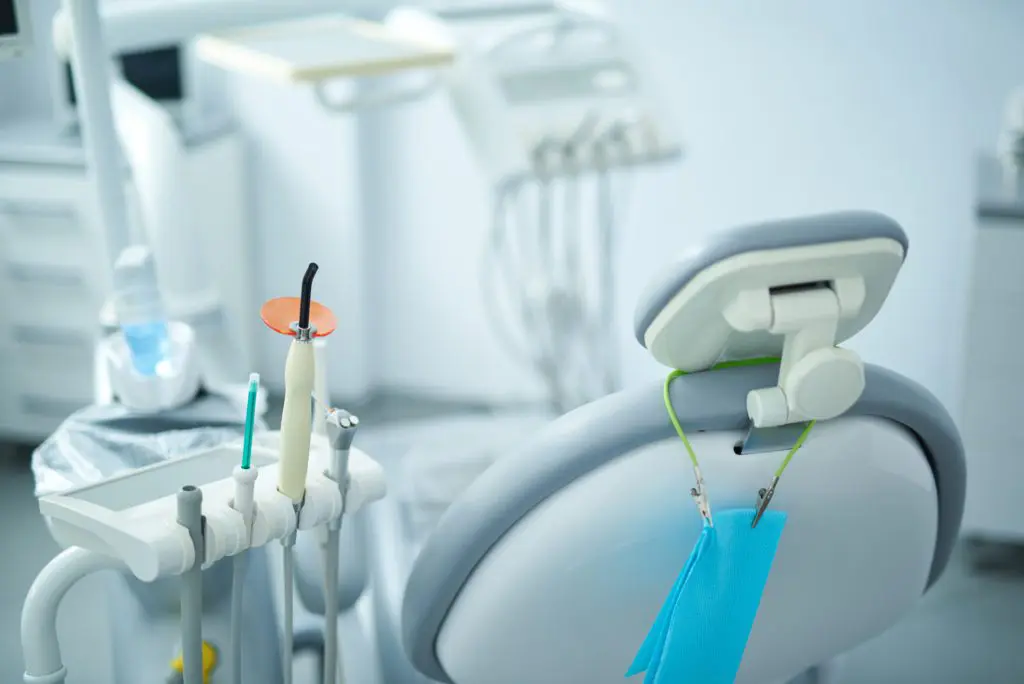
Effective waste disposal practices are essential for maintaining a safe and compliant dental practice in the Maryland Virginia and Washington DC region Proper disposal methods not only ensure environmental protection but also adhere to local regulations governing hazardous and non hazardous waste Dentists must be aware of the different types of waste generated in their offices such as general biomedical and sharps waste and implement appropriate disposal procedures for each category By fostering responsible waste management dental professionals can contribute to public health and environmental sustainability
Ways Dental Clinics Can Prioritize Safety and Adherence to Regulations
Dental clinics play a vital role in protecting public health by delivering preventive and restorative oral care. Alongside patient care responsibilities, dental professionals must also manage complex safety and compliance requirements to protect staff, patients, and the environment. From handling sharps and biohazardous materials to managing chemicals and wastewater, maintaining compliance requires consistent attention, training, and structured processes.
As regulatory expectations continue to evolve, dental practices that put safety and compliance first are better positioned to reduce workplace injuries, avoid penalties, and maintain trust with patients and staff. The following best practices outline how dental clinics can strengthen their approach to regulated waste management, training, and compliance.
Putting Safety at the Center of Dental Operations
Patient safety and workplace safety are inseparable in dental care settings. Dental procedures frequently involve exposure to blood, saliva, sharp instruments, and chemical agents, all of which present potential health risks if not managed properly. Effective waste-handling practices are essential for preventing the transmission of bacteria, viruses, and bloodborne pathogens.
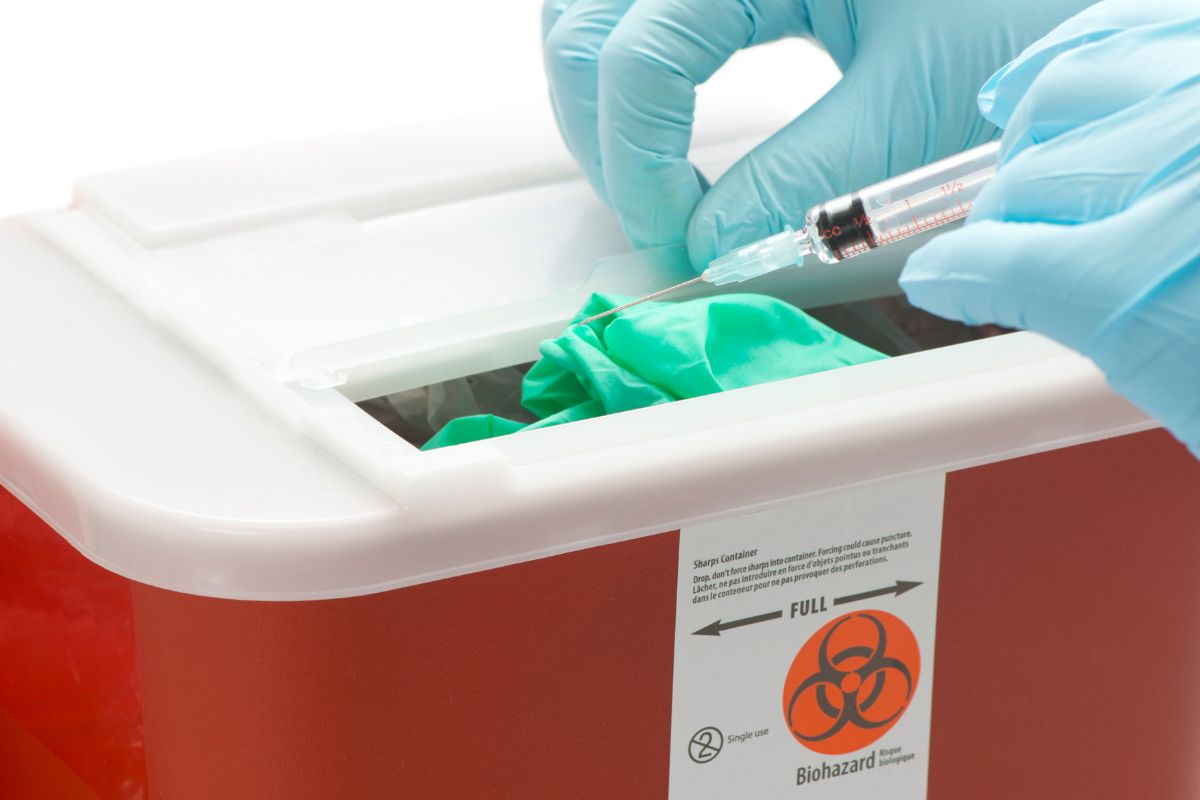
Sharps safety is one of the most critical concerns in dental clinics. Dental needles, scalers, orthodontic wires, and other sharp instruments must be handled and disposed of with extreme care. Clinics should maintain clear policies outlining how sharps are used, handled, and disposed of during procedures and during cleanup. Immediate disposal after use is essential to reduce the risk of accidental injuries.
Sharps containers should be puncture-resistant, leak-proof, clearly labeled, and designed to prevent overfilling—placement matters. Containers should be located at the point of use, so staff never need to carry used sharps across treatment areas. Routine inspections should be conducted to ensure containers are not damaged or overfilled, and that they are replaced promptly.
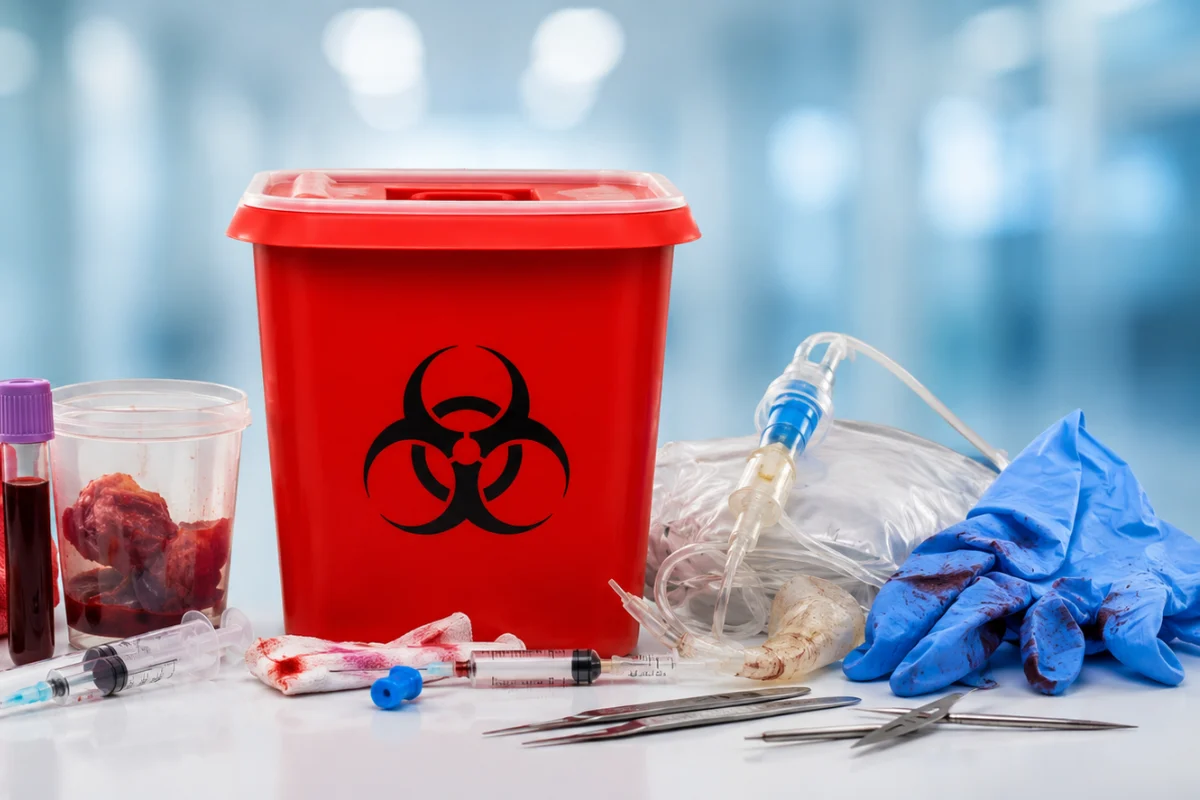
In addition to sharps, dental clinics generate regulated medical waste, including blood-soaked gauze, cotton rolls, and procedural drapes. These materials must be disposed of in properly labeled biohazard bags and managed separately from general trash. Staff should be trained to recognize what qualifies as regulated medical waste to avoid improper disposal that could lead to contamination or regulatory violations.
Managing Hazardous Waste in Dental Practices
Dental clinics also generate chemical waste that may be classified as hazardous under environmental regulations. Federal and state agencies require facilities to evaluate the waste they generate through a process known as waste characterization. This assessment determines whether a material meets the criteria for hazardous waste and how it must be managed.
Common hazardous or potentially hazardous materials in dental settings include certain pharmaceuticals, disinfectants, photographic fixer and developer, batteries, fluorescent lamps, and amalgam waste. Even when some materials are determined to be non-hazardous, they must never be disposed of in red bags or sharps containers intended for regulated medical waste.
Dental amalgam presents a unique regulatory concern. Facilities that place or remove amalgam and discharge wastewater into municipal sewer systems must use amalgam separators. These devices capture mercury-containing particles before they enter wastewater systems. Separators must be properly installed, maintained, monitored, and disposed of in accordance with applicable regulations to prevent environmental contamination.
Failure to manage hazardous waste properly can result in significant fines, environmental harm, and reputational damage. Clear procedures and regular audits help ensure compliance across all waste streams.
The Role of Training in Maintaining Compliance
Even the best policies are ineffective without proper training. Compliance failures often stem from a lack of awareness rather than intent. Regular training ensures staff understand how to perform their duties safely and in accordance with regulatory requirements.
Training requirements vary by regulation and waste type. Many states recommend or require biohazardous waste training upon initial assignment, with some mandating annual refreshers. Employees involved in packaging or signing shipping papers for hazardous materials must receive training upon assignment and every three years thereafter.
OSHA governs workplace safety training and includes multiple mandatory components. Bloodborne pathogens training is required upon initial assignment and annually. Hazard communication training must be completed when an employee is first exposed to hazardous chemicals and whenever new hazards are introduced. These trainings help staff understand risks, protective measures, and emergency procedures.
Privacy and data security training is also essential. HIPAA requires privacy and security training upon initial assignment and recommends ongoing education to reinforce best practices. Dental clinics handle sensitive patient information daily, making consistent training critical to preventing breaches.
Online training platforms can support compliance by providing flexible, accessible learning options for busy dental teams. Documentation of completed training is equally essential, as regulators often request proof during inspections.
Creating Systems That Support a Safe Workplace
Beyond training, dental clinics should implement systems that embed compliance into daily operations rather than treat it as an added burden. This includes standardized waste segregation practices, clearly labeled containers, and easy access to safety resources.
Regular internal audits and walkthroughs help identify potential gaps before they become serious issues. Staff should be encouraged to report hazards or near-miss incidents without fear of retaliation. Open communication fosters accountability and continuous improvement.
Emergency preparedness is another essential component. Clinics should have clear procedures for responding to spills, exposures, or injuries. Exposure control plans must be current, accessible, and reviewed regularly to ensure they reflect actual practices.
Building a Culture of Safety and Accountability
Safety and compliance are not one-time initiatives. They require sustained leadership commitment and active participation from every team member. Dental clinics that prioritize safety demonstrate respect for their employees and patients while strengthening operational resilience.
Leadership plays a key role by allocating resources, supporting training, and reinforcing expectations. When safety is consistently modeled and rewarded, it becomes embedded in workplace culture.
Putting Safety and Compliance First
Dental clinics operate in a highly regulated environment where safety, compliance, and patient care intersect. By implementing effective waste-disposal practices, maintaining rigorous training programs, and adhering to OSHA, EPA, and HIPAA requirements, clinics can reduce risk and protect everyone who enters their facilities.
A proactive approach to safety not only minimizes injuries and violations but also builds trust, improves staff morale, and supports long-term success. Putting safety and compliance first is not just a regulatory obligation. It is a fundamental responsibility of quality dental care.
Expert Medical Waste Management: With over 25 years of industry experience, Secure Waste is a trusted local leader in hazardous and biohazardous waste disposal across Maryland, Virginia, and Washington, D.C. Specializing in medical waste management, sharps needle disposal, and biohazard waste removal, the company ensures full compliance with federal, state, and local regulations while prioritizing environmental sustainability.
The company also offers additional services, including secure document shredding and sharps container sales, providing comprehensive solutions for healthcare facilities and businesses. Our cost-effective services help clients maintain regulatory compliance without unexpected costs.
With a commitment to customer satisfaction, Secure Waste offers tailored waste management plans that align with industry best practices. Their team of experts provides reliable, timely, and compliant services, making them the preferred choice for medical waste disposal. For a free waste quote or more information, visit www.securewaste.net