
Bloodborne Pathogens Exposure Control Plans And OSHA Readiness
Welcome to Secure Waste, your trusted partner in Healthcare waste management and disposal. As a leading local provider with years of industry experience, we specialize in the safe handling of biomedical waste—including pathological, infectious, and sharps waste—as well as hazardous materials throughout Maryland, Virginia, and Washington D.C.
Our dedicated team adheres to the highest standards of safety and regulatory compliance, ensuring that all waste is treated and disposed of in accordance with local, state, and federal guidelines. In addition to our waste disposal services, we offer comprehensive consulting services tailored to help our partners develop robust healthcare compliance plans. We guide you through the intricacies of regulatory requirements, helping you to maintain OSHA readiness and safeguard your facility against potential liabilities.
At Secure Waste, we understand the unique challenges healthcare facilities face and pride ourselves on providing expert knowledge and reliable support. If you’re seeking trustworthy local assistance in managing your healthcare waste, please don’t hesitate to reach out to Secure Waste at 877-633-7328. Your safety, compliance, and peace of mind are our top priorities, and we look forward to partnering with you for a cleaner, safer environment.
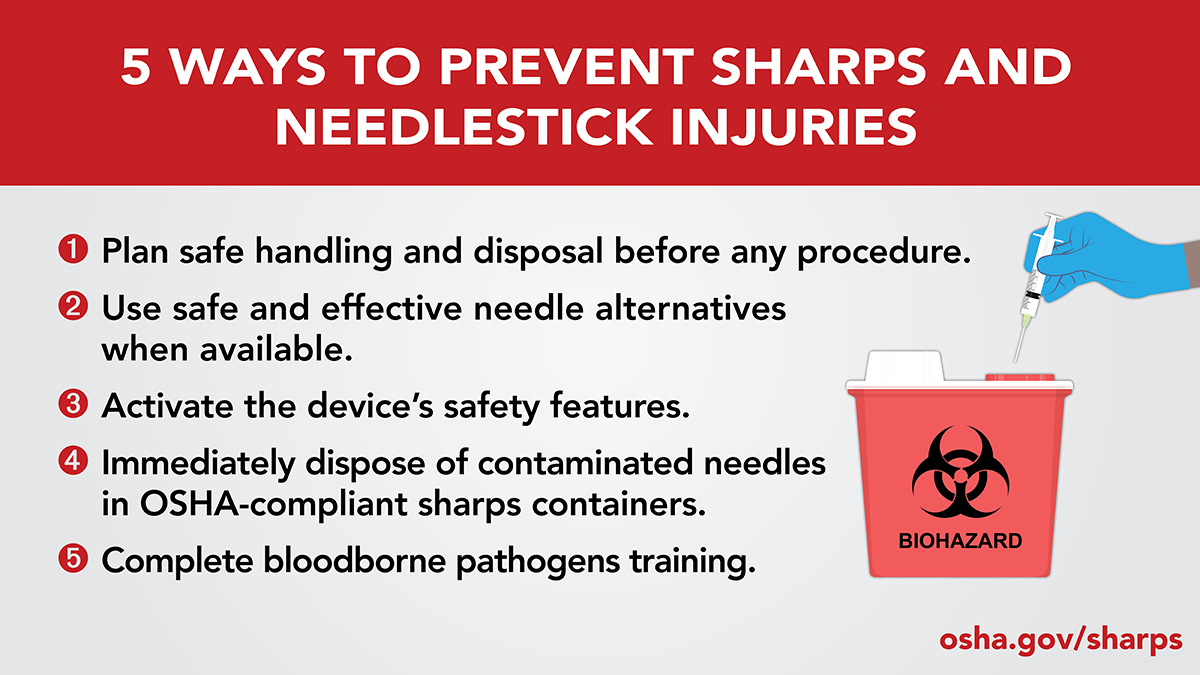
Bloodborne pathogens are harmful microorganisms present in human blood that can lead to serious diseases Exposure to these pathogens can occur through various means such as needlestick injuries cuts or contact with mucous membranes It is crucial to recognize the risks associated with bloodborne pathogens and implement appropriate safety measures to prevent exposure This includes using personal protective equipment following proper disposal procedures for sharps and adhering to health and safety protocols in environments where exposure to blood may occur Awareness and education about bloodborne pathogens are essential for ensuring the safety of individuals in healthcare and other high risk settings
Plans for controlling exposure to bloodborne pathogens and preparedness for OSHA inspections.
Healthcare organizations face a wide range of occupational risks, but few carry consequences as severe as exposure to bloodborne pathogens. Because of this risk, the Occupational Safety and Health Administration requires organizations with potential exposure to maintain a written Bloodborne Pathogens Exposure Control Plan. During an OSHA inspection, this document is often one of the first items requested. A well-developed and actively maintained plan demonstrates an organization’s commitment to employee safety and regulatory compliance.
An exposure control plan is more than a written requirement. It serves as a practical roadmap outlining how an organization prevents exposure, protects workers, and responds effectively when incidents occur. Facilities that treat the plan as a living document rather than a static file are better prepared for inspections and better equipped to protect their workforce.
Why the Exposure Control Plan Matters
The exposure control plan outlines how an organization identifies exposure risks and implements safeguards to minimize those risks. It provides clarity for employees, consistency for leadership, and transparency for regulators. Without a comprehensive and up-to-date plan, healthcare organizations may struggle to demonstrate compliance, even when safe practices are followed informally.
OSHA inspections are often unannounced, leaving little time for last-minute preparation. Facilities that regularly review and update their plans can respond confidently and avoid unnecessary citations. More importantly, a strong plan supports a rapid, organized response during real exposure events, reducing health risks and operational disruption.
Staying Inspection-Ready Through Proactive Planning
Preparation for OSHA inspections begins long before an inspector arrives. Annual reviews and updates of the exposure control plan are essential. During these reviews, organizations should evaluate whether job roles have changed, new equipment has been introduced, or updated guidance affects existing procedures.
Asking targeted questions during reviews helps identify gaps and ensures the plan remains relevant. These questions focus on content completeness, documentation accuracy, and staff understanding.
Ensuring the Written Plan Includes Required Elements
OSHA expects exposure control plans to address specific components that demonstrate how exposure risks are managed. One critical element is identifying which job classifications and tasks involve potential exposure. Clear descriptions help employees understand their risk level and applicable protections.
The plan must outline methods used to prevent exposure. These include standard precautions, engineering controls such as sharps containers and safer medical devices, work practice controls, administrative controls, and personal protective equipment. Together, these measures form layered protection against exposure.
Vaccination policies, particularly regarding hepatitis B, must be documented. The plan should explain how vaccinations are offered and how post-exposure evaluation and follow-up are handled. Clear procedures for medical evaluation reassure staff and support a timely response.
Communication and hazard awareness are also essential. The plan should describe how hazards are communicated to employees and how updates are shared. Finally, recordkeeping requirements and procedures for evaluating exposure incidents must be included. These records demonstrate compliance and support continuous improvement.
Maintaining Accurate and Accessible Documentation
Having the right content is only part of compliance. OSHA inspectors also assess whether documentation is current, accessible, and actively maintained. Exposure control plans must demonstrate annual review and updates. Dates, signatures, or revision histories help demonstrate compliance.
Documentation should also reflect consideration of safer medical devices. Records showing that non-managerial employee input was solicited are vital, as employee involvement is a regulatory expectation. Inspectors often ask how frontline staff contribute to safety decisions.
Accessibility matters as well. Employees must be able to easily locate and review the exposure control plan. Whether stored digitally or in physical form, access instructions should be clearly communicated and documented.
Training as a Critical Compliance Component
Even the most comprehensive plan is ineffective if employees are unaware of its contents. OSHA inspectors routinely verify that staff have received training on bloodborne pathogen hazards and understand how the exposure control plan applies to their roles.
Training should cover hazard recognition, protective measures, proper equipment use, and procedures for reporting exposures. Employees should also understand how to access the exposure control plan and who to contact with questions.
Training documentation is essential. Records should include dates, topics covered, and attendee information. These records demonstrate compliance and confirm that training obligations have been met.
Integrating the Exposure Control Plan Into Daily Operations
An exposure control plan should guide everyday behavior rather than exist solely for inspection purposes. When procedures are embedded into workflows, compliance becomes consistent and sustainable.
Supervisors play a key role in reinforcing expectations and promptly addressing deviations. Regular reminders, safety meetings, and visible leadership support help keep exposure prevention top of mind. This integration strengthens safety culture and reduces the likelihood of incidents.
The Role of Waste Management in Exposure Prevention
Proper handling and disposal of contaminated materials are critical to preventing exposure—sharps and regulated medical waste present significant risks if not managed correctly. The exposure control plan should clearly define waste handling procedures and disposal responsibilities.
Partnering with an experienced waste management provider supports safe and compliant disposal practices. Secure Waste works with healthcare organizations to provide reliable sharps and medical waste solutions that reduce exposure risks and support OSHA alignment. Learn more at https://www.securewaste.net/.
Benefits of Partnering With Compliance Experts
OSHA requirements can be complex, and interpretation errors may lead to compliance gaps. Working with experienced compliance professionals helps organizations ensure their exposure control plans include required elements and reflect current best practices.
Expert guidance supports risk assessments, plan development, and training implementation. This support allows healthcare organizations to focus on patient care while maintaining confidence in their compliance posture.
Continuous Improvement and Long-Term Readiness
Compliance is not a one-time effort. Regular evaluations, audits, and updates ensure that exposure control plans remain effective as operations evolve. Continuous improvement reduces inspection anxiety and enhances worker protection.
Facilities that prioritize proactive compliance experience fewer citations, lower injury rates, and stronger staff engagement. Over time, these benefits translate into operational stability and improved organizational reputation.
Final Takeaway
A well-maintained bloodborne pathogens exposure control plan is essential for protecting healthcare workers and preparing for OSHA inspections. By ensuring the plan includes required elements, maintaining accurate documentation, training staff effectively, and supporting proper waste disposal, organizations can demonstrate compliance and safeguard their workforce. Proactive planning, consistent review, and strategic partnerships create a strong foundation for safety, compliance, and long-term success.
Expert Medical Waste Management: With over 25 years of industry experience, Secure Waste is a trusted local leader in hazardous and biohazardous waste disposal across Maryland, Virginia, and Washington, D.C. Specializing in medical waste management, sharps needle disposal, and biohazard waste removal, the company ensures full compliance with federal, state, and local regulations while prioritizing environmental sustainability.
The company also offers additional services, including secure document shredding and sharps container sales, providing comprehensive solutions for healthcare facilities and businesses. Our cost-effective services help clients maintain regulatory compliance without unexpected costs.
With a commitment to customer satisfaction, Secure Waste offers tailored waste management plans that align with industry best practices. Their team of experts provides reliable, timely, and compliant services, making them the preferred choice for medical waste disposal. For a free waste quote or more information, visit www.securewaste.net