Creating a Sustainable Healthcare Culture: How to Embed Green Practices Into Everyday Operations
Secure Waste, a leading provider of healthcare waste management services in Maryland, Virginia, and Washington, D.C., is at the forefront of sustainable practices in the industry. As a pioneer in environmental responsibility, Secure Waste is dedicated to implementing innovative solutions that prioritize green initiatives and adhere to best practices in waste disposal.
If you’re looking to enhance your healthcare practice’s sustainability efforts, please don’t hesitate to look no further. Contact Secure Waste Medical Waste Solutions today for more information on how we can help you go green. Call us at 877-633-7328 to learn more about our comprehensive services.
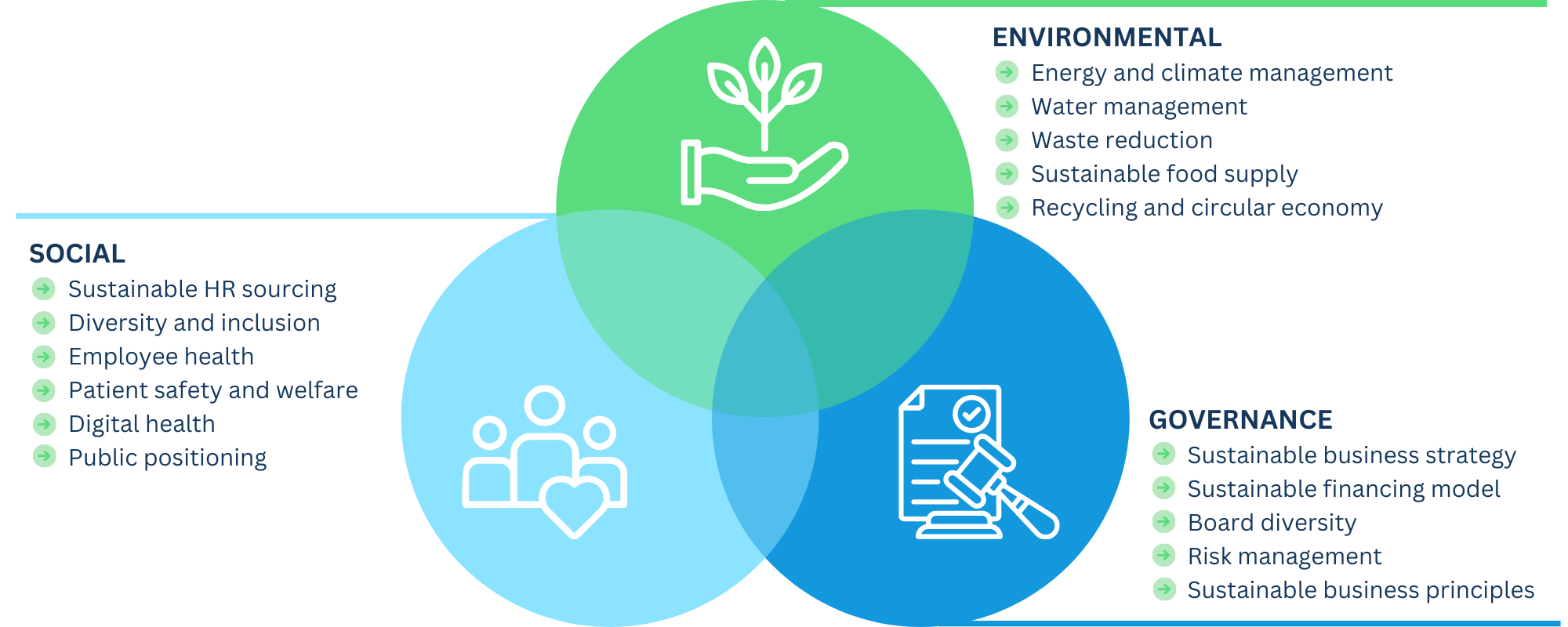
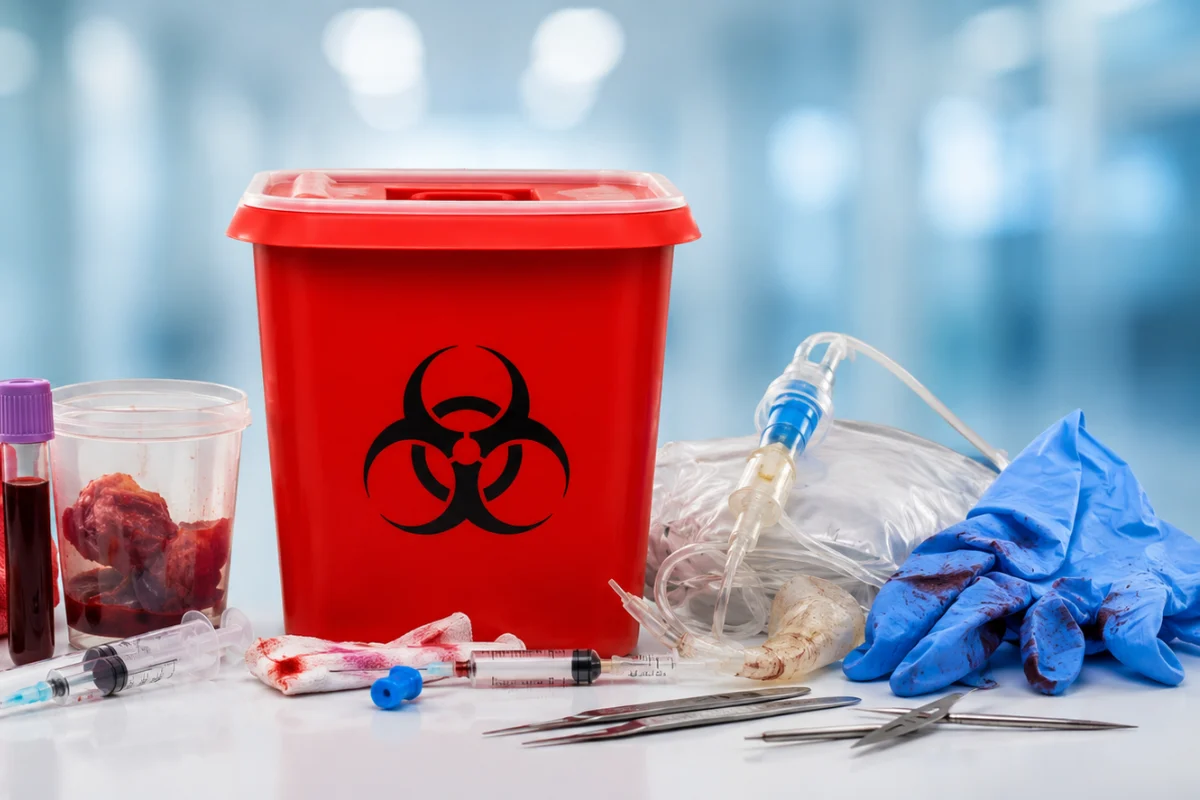
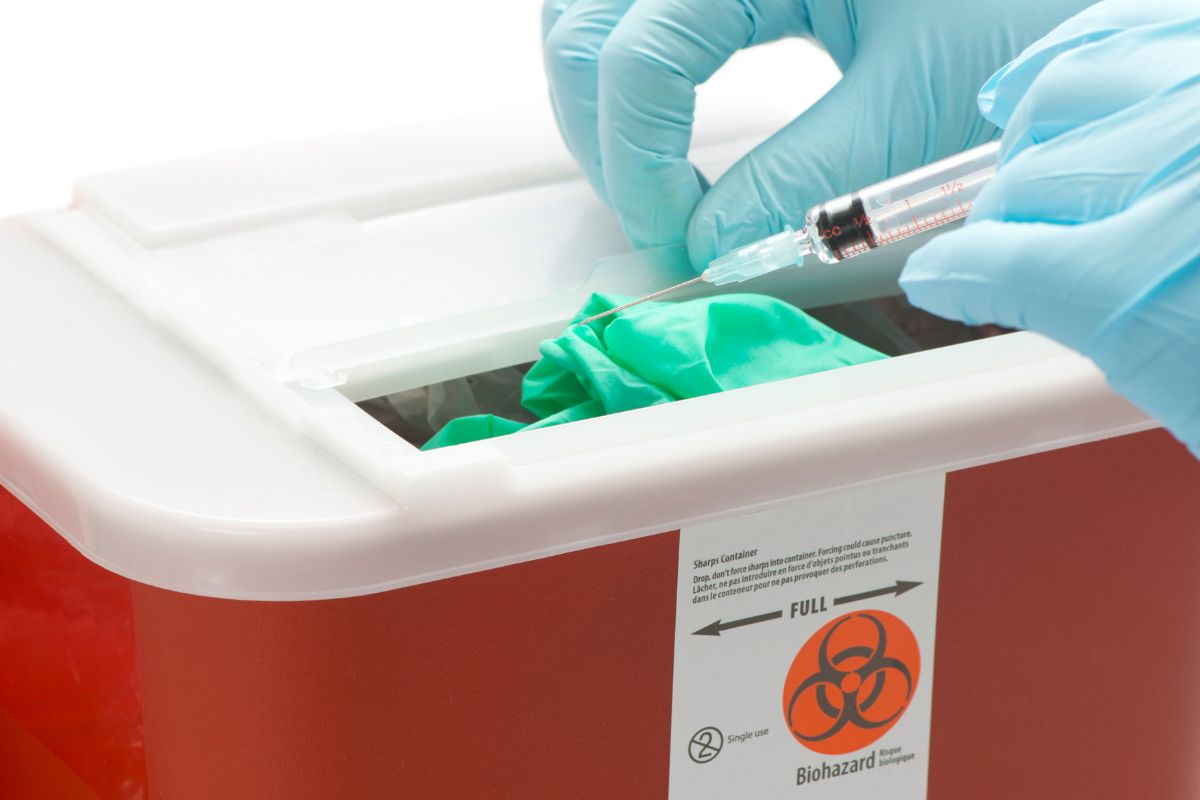
The management of medical waste is a crucial aspect of healthcare that significantly impacts environmental sustainability With a growing emphasis on eco friendly practices many institutions are adopting greener methods for the disposal of medical waste This transition involves implementing strategies that reduce waste generation ensure safe handling and treatment of hazardous materials and promote recycling whenever possible By utilizing advanced technologies and sustainable practices the healthcare sector aims to minimize its ecological footprint while maintaining safety and compliance with regulations Ultimately going green in medical waste disposal not only protects public health but also contributes to a healthier planet
Going Green in Healthcare: Building a Culture Where Sustainability Becomes Daily Practice
Modern healthcare organizations are increasingly recognizing that environmental responsibility must become an essential part of their mission. Hospitals, clinics, and care centers are major consumers of energy, water, plastics, and disposable materials. These operational realities create significant environmental impacts that extend far beyond the facility walls. To protect public health and operate responsibly, healthcare providers must embrace sustainability not only as a set of policies but as a deeply integrated cultural value.
Sustainability in healthcare is not limited to recycling programs or reducing plastic use. Those efforts help, but true environmental responsibility requires a shift in mindset across all departments. It requires leadership, accountability, training, and a commitment to making environmentally responsible actions part of daily behavior. When sustainability becomes part of the organizational DNA, every staff member contributes to a cleaner, safer environment for patients, employees, and the surrounding community.
Secure Waste supports healthcare organizations in building this kind of culture by offering environmentally responsible waste solutions, educational resources, and compliant waste-disposal programs that help reduce environmental harm without compromising safety or regulatory compliance. By adopting sustainable practices, facilities can enhance patient care, reduce operational costs, improve staff safety, and build long-term resilience.
Embedding Sustainability Into Daily Operations
Creating a sustainable organization begins with small, consistent actions that eventually become routine. Healthcare staff already follow countless protocols to ensure patient safety, infection prevention, and clinical accuracy. When environmental practices are built into these workflows, they naturally become part of everyday habits. It is not only about implementing new initiatives; it is about reinforcing existing behaviors and helping staff recognize their impact.
A facility’s physical environment provides an ideal starting point. Simple steps such as improving energy efficiency, reducing unnecessary resource use, and optimizing lighting systems can yield immediate, measurable environmental benefits. Switching from traditional incandescent bulbs to energy-efficient LED lighting reduces electricity consumption and long-term operating costs. These bulbs last significantly longer, require fewer replacements, and reduce waste from burned-out bulbs. Some facilities enhance this further by installing motion-activated lighting in hallways, storage rooms, and break areas, ensuring energy is used only when needed.
Secure Waste champions these efforts by integrating energy-efficient systems into its own operations, demonstrating how sustainable changes in lighting and equipment usage create meaningful reductions in environmental impact. When a facility models sustainability internally, staff are more likely to adopt similar habits throughout the workplace.
Developing Sustainable Behaviors Through Staff Awareness and Training
Environmental sustainability cannot be achieved solely through equipment upgrades. The most significant progress comes from building staff awareness and creating an atmosphere where responsible resource management becomes second nature. In fast-paced clinical environments, simple actions, such as turning off lights, closing water taps, or shutting down unused equipment, can easily be overlooked. Yet these small, repeated habits form the foundation of a green culture.
Training and ongoing education play a key role in reinforcing these behaviors. When staff understand how their daily decisions directly impact energy usage, waste production, and environmental safety, they become more motivated to participate. Education should be accessible, practical, and directly connected to the tasks employees perform. By reinforcing this during shift huddles, orientation sessions, and departmental meetings, sustainability becomes part of the organizational conversation.
Facilities may also reinforce these behaviors by posting reminders in break rooms, nurse stations, locker areas, and utility closets. Signage encourages staff to be mindful, but culture ensures the behavior becomes automatic. When team members remind each other to turn off lights or conserve resources, sustainability becomes a shared responsibility rather than an isolated initiative.
Secure Waste supports these training efforts by helping organizations understand how waste impacts both the environment and healthcare compliance. The company provides clear guidance on proper waste segregation, recycling opportunities, and best practices for reducing unnecessary waste throughout the facility.
Integrating Recycling Into the Facility’s Workflow
Recycling programs remain a vital component of healthcare sustainability. Although medical waste must be treated and disposed of in accordance with strict regulations, many non-clinical materials used in healthcare settings can and should be recycled. Paper, cardboard, office supplies, clean plastics, aluminum cans, and packaging materials all contribute significantly to the total volume of waste generated by healthcare facilities. Without a structured recycling program, these materials end up in landfills where they continue to accumulate and cause environmental harm.
A strong recycling program begins with creating a team or committee dedicated to environmental stewardship. This group evaluates current waste practices, identifies opportunities for improvement, and develops strategies to increase recycling participation across the facility. Committees typically include representatives from clinical departments, facilities management, purchasing, administration, and environmental services. Their combined expertise enables them to identify barriers, develop practical solutions, and adjust existing policies to support greener operations.
The committee’s first step should be to conduct a detailed assessment of the facility’s current waste streams. This includes examining the volume of recyclable materials disposed of as general trash, reviewing purchasing habits that contribute to excess waste, and identifying departments where improvements can be made. For example, a facility might discover that the cafeteria uses large amounts of disposable plastic utensils even though a more sustainable alternative is available. Or the committee may determine that specific departments are discarding recyclable materials because appropriate containers are not easily accessible.
Once these opportunities are identified, the organization can begin implementing targeted improvements. Secure Waste helps facilities optimize their recycling programs by guiding proper waste segregation, container placement, and sustainable purchasing practices. When recycling bins are strategically placed in high-traffic areas and clearly labeled, staff members are more likely to use them consistently. Education and awareness campaigns can reinforce the importance of recycling and equip staff with the knowledge to correctly sort materials.
Sustainability as a Collective Responsibility in Healthcare
Although leadership, committees, and waste partners play essential roles in developing sustainable strategies, true environmental responsibility requires the participation of every employee. Sustainability must extend beyond formal initiatives and become integrated into every department, shift, and role within the organization. Whether a staff member works in environmental services, nursing, administration, laboratory operations, pharmacy, or security, each person contributes to the facility’s overall ecological footprint.
This collective responsibility ensures that sustainability does not depend on a small group of individuals. Instead, it becomes embedded in the culture. When staff members feel empowered to suggest improvements, report wasteful practices, or share ideas for reducing environmental impact, the organization becomes stronger and more aligned with sustainable values.
Secure Waste encourages this culture by offering ongoing support and consultation. The company provides insights on reducing waste, improving compliance, and integrating environmentally conscious decision-making across all departments. With expert guidance and consistent communication, facilities can maintain strong alignment between their sustainability goals and daily practices.
Conclusion
Creating a sustainable healthcare culture requires more than good intentions. It demands consistent actions, thoughtful leadership, staff engagement, and strong partnerships with organizations that support environmental responsibility. When healthcare providers make sustainability part of their operational identity, they protect the environment around them, enhance patient safety, reduce operational costs, and create a healthier workplace for staff. Secure Waste supports these efforts by providing compliant, environmentally responsible waste-disposal services and helping organizations integrate sustainability into everything they do. By building a culture where every staff member participates in conserving resources, reducing waste, and practicing responsible environmental stewardship, healthcare organizations contribute to a cleaner, safer, and more sustainable future for the communities they serve.
Expert Medical Waste Management: With over 25 years of industry experience, Secure Waste is a trusted local leader in hazardous and biohazardous waste disposal across Maryland, Virginia, and Washington, D.C. Specializing in medical waste management, sharps needle disposal, and biohazard waste removal, the company ensures full compliance with federal, state, and local regulations while prioritizing environmental sustainability.
The company also offers additional services, including secure document shredding and sharps container sales, providing comprehensive solutions for healthcare facilities and businesses. Our cost-effective services help clients maintain regulatory compliance without unexpected costs.
With a commitment to customer satisfaction, Secure Waste offers tailored waste management plans that align with industry best practices. Their team of experts provides reliable, timely, and compliant services, making them the preferred choice for medical waste disposal. For a free waste quote or more information, visit www.securewaste.net