The EPA’s final Regulation regarding Hazardous Waste Pharmaceuticals is clarified – Expert solutions from Secure Waste
Secure Waste frequently receives inquiries about the EPA’s final rule regarding hazardous waste management. As a company specializing in hazardous waste handling, we not only manage dangerous materials but also focus on hazardous pharmaceuticals.
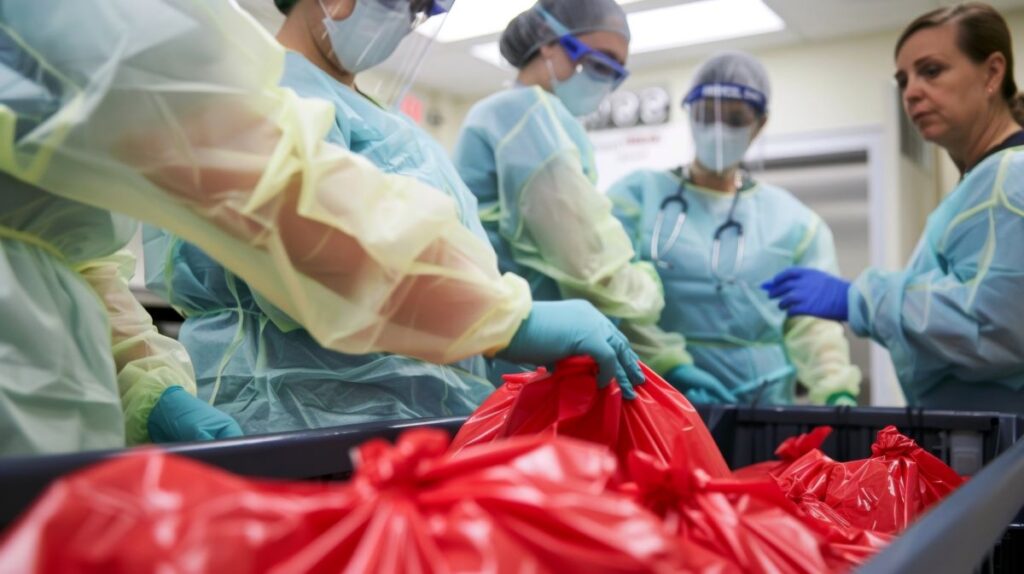
Our services encompass the management of Regulated Healthcare Waste, including biohazardous waste, and the safe disposal of sharps.
Operating across Maryland, Virginia, and Washington, D.C., we are dedicated to ensuring that healthcare facilities comply with all regulations governing waste management.
Our team is well-versed in the complexities of hazardous waste disposal, providing tailored solutions that meet the unique needs of healthcare providers.
If your organization requires expert assistance with regulated waste management or disposal in the healthcare sector, please don’t hesitate to contact us at 877-633-7328.
We are here to help you navigate the critical aspects of hazardous waste, particularly those related to pharmaceutical waste disposal and compliance. Let’s delve deeper into the intricacies of pharmaceutical dangerous waste and its implications for your facility.
EPA Final Rule on Hazardous Waste Pharmaceuticals: What Healthcare Organizations Must Know
Managing hazardous pharmaceutical waste has long been a compliance challenge for healthcare organizations.
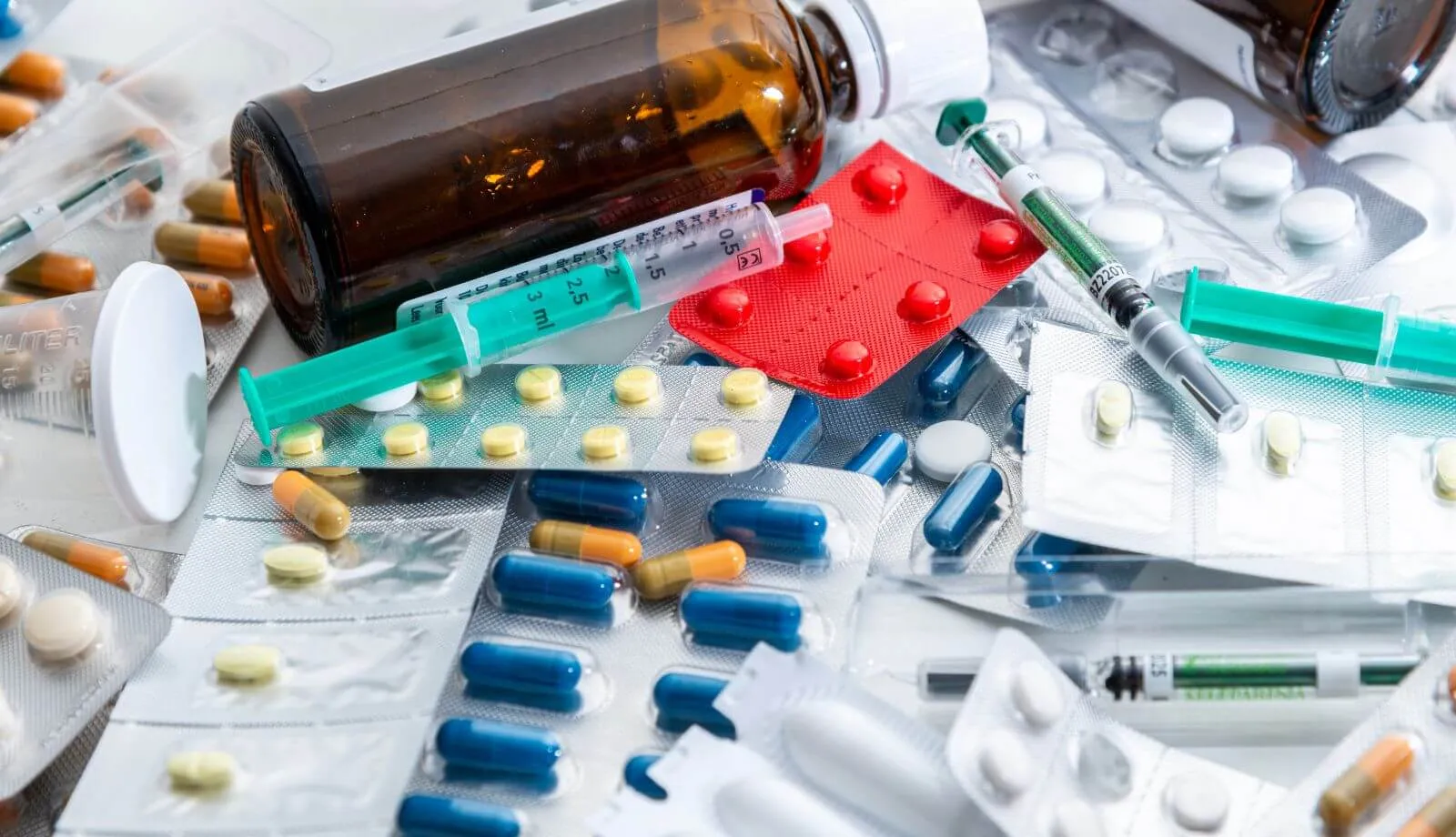
Hospitals, clinics, pharmacies, and long-term care facilities routinely handle medications that, when discarded improperly, can pose serious risks to the environment and public health.
To address these challenges, the Environmental Protection Agency introduced the Final Rule on the Management of Hazardous Waste Pharmaceuticals, commonly known as Subpart P under the Resource Conservation and Recovery Act (RCRA).
This rule was created to clarify responsibilities, align regulations more closely with healthcare workflows, and minimize environmental contamination resulting from improper disposal of pharmaceuticals. Understanding its scope and requirements is essential for any organization that handles pharmaceutical waste.
What Is EPA Subpart P?
Subpart P is a specialized set of regulations under RCRA that governs how healthcare facilities must manage hazardous pharmaceutical waste.
While dangerous waste regulations have existed since the 1970s, they were primarily designed for industrial generators and other large-scale facilities. Healthcare facilities often struggled to interpret how those rules applied to medications, leading to inconsistent practices and compliance gaps.
Subpart P addresses this issue by creating healthcare-specific standards. It outlines how hazardous pharmaceutical waste must be identified, stored, categorized, and disposed of, offering more explicit guidance that reflects real-world clinical environments.
The goal is to simplify compliance while improving environmental protection.
Environmental Benefits of the Final Rule
One of the most significant outcomes of Subpart P is its impact on environmental protection. A central provision of the rule is the prohibition on flushing hazardous pharmaceuticals down drains or toilets, a practice commonly referred to as “flushing.”
Wastewater treatment plants are not designed to effectively remove pharmaceutical compounds. As a result, trace amounts of hazardous drugs can enter rivers, lakes, and other ecosystems.
Research has already shown harmful effects on fish and wildlife, raising concerns about long-term human health impacts. By banning sewering, the EPA aims to prevent hazardous pharmaceuticals from contaminating water sources and the surrounding land.
Although the rule specifically targets hazardous pharmaceuticals, it also strongly discourages flushing any medications, reinforcing broader environmental stewardship across healthcare operations.
Categories of Hazardous Waste Pharmaceuticals
Subpart P defines three distinct categories of hazardous waste pharmaceuticals, each with different handling and disposal requirements.
Potentially creditable hazardous waste pharmaceuticals are medications that may be returned to a reverse distributor for possible credit. These items must remain in their original manufacturer packaging, be undispensed, and be unexpired or no more than one year past their expiration date.
Evaluated hazardous waste pharmaceuticals are those that have already been reviewed by a reverse distributor and determined not to be eligible for additional credit or further evaluation.
Non-creditable hazardous waste pharmaceuticals are medications that cannot reasonably be returned for credit. These items must be disposed of directly by the generator in accordance with the requirements of Subpart P.
Correctly identifying these categories is critical, as misclassification can lead to improper handling and potential regulatory violations.
Container and Storage Requirements
Subpart P places a strong emphasis on the safe use of containers and secure storage. Healthcare organizations may store hazardous pharmaceutical waste either near the point of generation, such as medication rooms, or in centralized accumulation areas.
Regardless of location, storage is limited to a maximum of one year.
Containers must meet specific standards. They must be clearly labeled as “hazardous waste pharmaceuticals,” remain closed except when adding waste, and be kept in good condition, free from leaks, rust, and structural defects. Containers must also be compatible with the waste they hold and secured to prevent unauthorized access.
Although the rule allows flexibility in storage location, it stresses that the general public should not have access to these containers. Locks or controlled-access areas are recommended to minimize diversion and accidental exposure.
Who Must Comply with Subpart P?
Subpart P applies to most healthcare organizations that manage pharmaceutical products or waste. This includes hospitals, pharmacies, clinics, dental practices, skilled nursing facilities, long-term care organizations, and reverse distributors.
Pharmaceutical manufacturers are generally excluded unless they act as reverse distributors. The rule applies primarily to organizations classified as small quantity generators or large quantity generators of hazardous waste. These facilities are required to comply fully with Subpart P and notify the EPA of their participation within 60 days of the rule becoming effective in their state.
Tiny quantity generators are not required to follow all aspects of Subpart P, but they are still subject to the sewering ban, which applies universally.
Compliance Timelines and State Adoption
At the federal level, Subpart P became effective on August 21, 2019. However, implementation timelines vary by state because each state must formally adopt the rule. While states cannot make the rule less stringent, they may impose additional requirements.
All states have adopted the sewering ban; however, other components of Subpart P may have different effective dates, depending on state legislative processes. Some states were required to adopt the rule by July 1, 2021, while others had until July 1, 2022, to do so. Organizations must monitor their state’s adoption status to ensure timely compliance.
Nicotine Waste Classification Changes
An essential amendment under Subpart P involves classifying nicotine waste as hazardous. While nicotine itself and containers that hold nicotine products are generally considered dangerous p-listed waste, the EPA has revised its rules to exclude FDA-approved, over-the-counter nicotine replacement therapies, such as patches, gums, and lozenges, when discarded.
This exception does not apply to prescription nicotine products or electronic cigarettes. Because this amendment is more lenient than prior regulations, states are not required to adopt it. As a result, organizations must verify how their specific state treats nicotine waste to avoid compliance issues.
Preparing for Ongoing Compliance
Successful compliance with Subpart P begins with understanding your organization’s hazardous waste generator status and ensuring accurate waste determination processes are in place. It also requires staff training, proper container management, clear labeling practices, and regular internal audits.
By aligning waste management procedures with Subpart P requirements, healthcare organizations can reduce regulatory risk, protect the environment, and demonstrate a commitment to responsible pharmaceutical stewardship. Continuous monitoring of state-specific rules and updates is essential to maintaining compliance over time.
In Conclusion:
Secure Waste will save you money on biomedical waste disposal. We understand these hazards.
Staying informed and proactive is vital as new biological challenges arise. Together, we can prioritize health and safety, increase awareness, and promote responsible actions to create a healthier future for all!
We provide reliable, compliant, and environmentally friendly biomedical waste disposal solutions tailored to your facility’s specific needs.
**Disclaimer** This information is provided for reference purposes only and should not be considered as legal advice or factual information at the time of your reading. Regulations frequently change and can vary from state to state. We encourage you to contact your local regulatory authorities or Secure Waste directly for the most current information. Please note that Secure Waste is not liable, in part or in whole, for any information contained on this page or website.
Expert Medical Waste Management: With over 25 years of industry experience, Secure Waste is a trusted local leader in hazardous and biohazardous waste disposal across Maryland, Virginia, and Washington, D.C. Specializing in medical waste management, sharps needle disposal, and biohazard waste removal, the company ensures full compliance with federal, state, and local regulations while prioritizing environmental sustainability.
The company also offers additional services, including secure document shredding and sharps container sales, providing comprehensive solutions for healthcare facilities and businesses. Our cost-effective services help clients maintain regulatory compliance without unexpected costs.
With a commitment to customer satisfaction, Secure Waste offers tailored waste management plans that align with industry best practices. Their team of experts provides reliable, timely, and compliant services, making them the preferred choice for medical waste disposal. For a free waste quote or more information, visit www.securewaste.net