Safe and Responsible Medical Waste Disposal: A Key Step in Preventing Drug Diversion
Secure Medical Waste Disposal: Preventing Drug Diversion
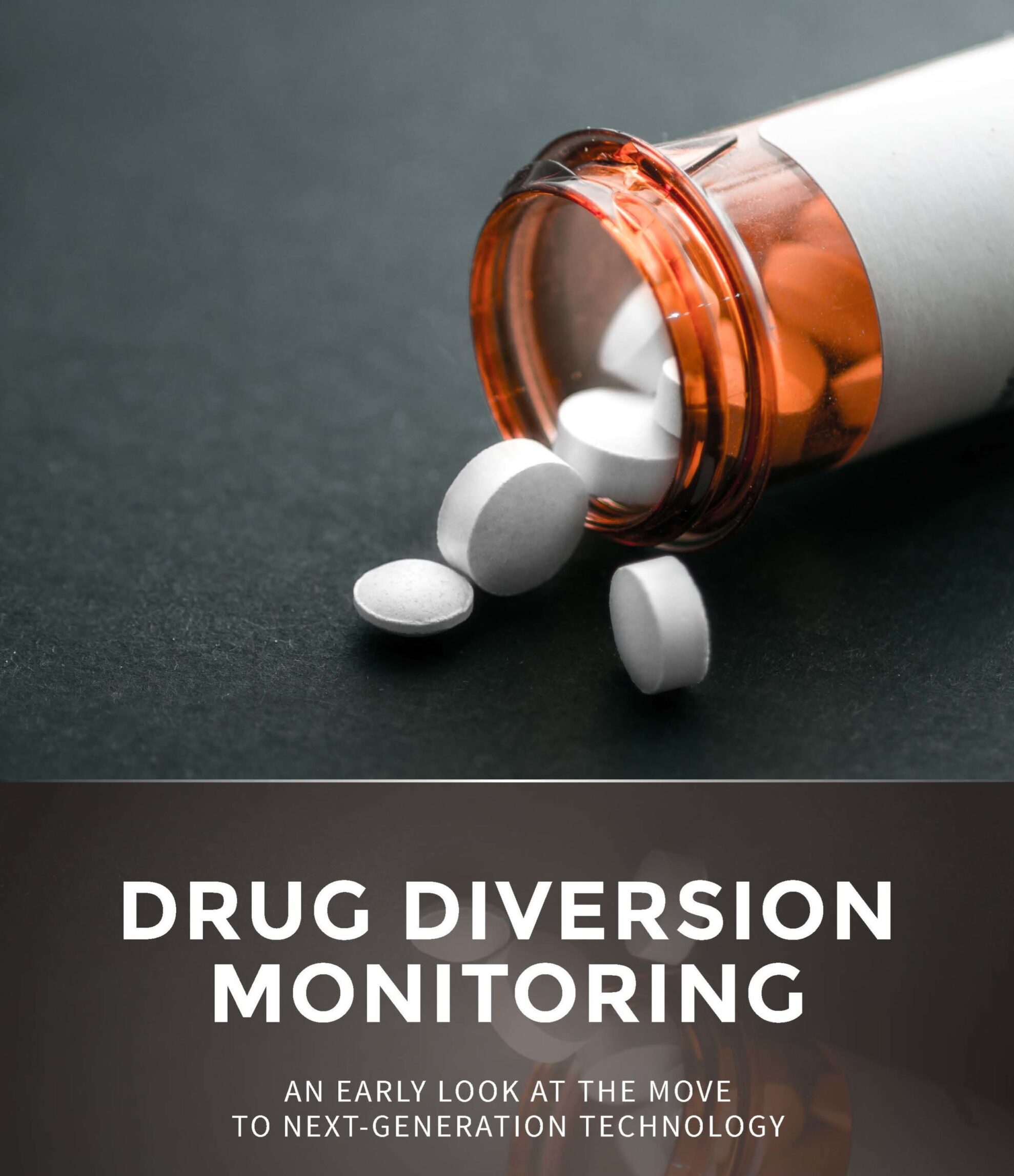
In healthcare facilities, ranging from major medical centers to small community practices, properly disposing of pharmaceutical waste is crucial to prevent drug diversion and environmental harm that extends far beyond the facility walls. Drug diversion, the illegal theft or misappropriation of medications intended for patient care, represents a serious threat to patient safety, staff wellbeing, and public health that demands comprehensive prevention strategies.
Secure medical waste disposal protects patients from receiving diluted or contaminated medications, safeguards staff from the devastating effects of substance abuse disorders, ensures compliance with OSHA and HIPAA regulations, and supports sustainable waste practices that minimize environmental impact. This article examines the risks associated with improper disposal in detail and outlines evidence-based best practices for healthcare waste management that address security, compliance, and sustainability simultaneously.
Dangers of Improper Drug Disposal
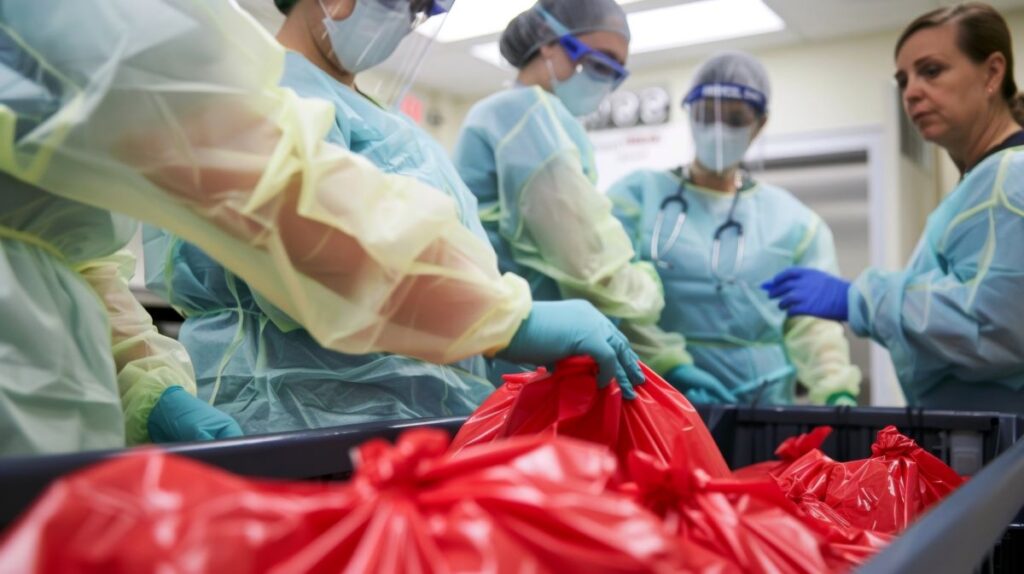
Healthcare facilities generate vast amounts of waste that must be managed responsibly. U.S. hospitals collectively generate approximately 34 pounds of waste per patient per day, resulting in roughly 6 million tons of healthcare waste annually nationwide. This enormous volume includes significant quantities of pharmaceutical waste ranging from expired medications and partial doses to contaminated packaging and administration devices.
Within this complex waste stream, improperly discarded controlled medications can be stolen by opportunistic staff, visitors, or waste handlers, abused by individuals struggling with addiction, or enter the environment through groundwater contamination from landfills or surface water contamination from wastewater treatment plants. Each of these pathways creates serious problems that healthcare facilities have a responsibility to prevent through proper disposal protocols and procedures.
Recent surveys reveal alarming gaps in public awareness and behavior regarding medication disposal. Studies show 95% of healthcare providers believe patients commonly keep leftover prescriptions at home and lack proper disposal guidance, meaning millions of unused controlled substances remain accessible in medicine cabinets where they can be diverted by family members, stolen during home invasions, or accidentally ingested by children or pets.
Flushing pills down toilets or tossing them in general trash violates DEA regulations that explicitly require pharmaceutical waste to be rendered permanently non-retrievable, raising both diversion risk and pollution concerns. Medications that enter water systems can harm aquatic ecosystems, contaminate drinking water supplies, and contribute to the development of antibiotic-resistant bacteria. The environmental persistence of many pharmaceuticals means they accumulate in ecosystems over time, creating long-term ecological damage.
Regulatory Compliance for Medical Waste Disposal
Strict regulations govern the disposal of controlled drug waste at both the federal and state levels, creating a complex compliance landscape that healthcare facilities must navigate carefully. The Drug Enforcement Administration (DEA) mandates that discarded controlled substances be permanently rendered unusable and non-retrievable so they cannot be diverted for illicit use. This fundamental requirement underlies all protocols for the disposal of pharmaceutical waste.
To comply with DEA requirements, expired or unwanted controlled substances should be transferred to licensed take-back programs authorized to collect controlled substances from the public, or reverse distributors who specialize in pharmaceutical returns and destruction. These entities typically incinerate medications at licensed facilities or use chemical deactivation methods to render drugs completely unusable before disposal, ensuring they cannot be recovered or reconstructed.
OSHA rules also apply to the handling of pharmaceutical waste, requiring comprehensive protection for workers. Staff must follow hazardous drug handling protocols when working with chemotherapy agents, reproductive toxins, and other dangerous pharmaceuticals. Personal protective equipment, including gloves and sometimes gowns, must be provided and used to protect against exposure to toxic substances. Sharps contaminated with medications must be disposed of in puncture-resistant containers that prevent needlestick injuries and exposure to bloodborne pathogens.
Under HIPAA regulations, any patient information on medication labels, prescription bottles, administration records, or related documents must be securely destroyed through shredding or incineration to prevent unauthorized individuals from reconstructing it. Simply obscuring names with markers is insufficient, as the information can often still be read. Labels must be physically removed and shredded, or the entire container must be destroyed.
Failing to meet these overlapping requirements can lead to severe legal penalties, including DEA sanctions that may include fines or loss of registration to handle controlled substances, OSHA citations that carry substantial financial penalties, and HIPAA breaches that require expensive notification procedures and can result in multi-million dollar fines. Beyond financial consequences, non-compliance damages a facility’s reputation, erodes patient trust, and may result in the loss of accreditation or a license to operate.
Best Practices: Secure Medication Disposal
Implement comprehensive and secure waste removal processes to prevent diversion opportunities at every stage of the pharmaceutical lifecycle. Use DEA-compliant disposal containers specially designed for pharmaceuticals rather than general waste receptacles. These engineered containers lock securely with tamper-evident seals that show any unauthorized access attempts, and often contain chemical agents that immediately neutralize drugs upon contact, rendering them unusable even if the container is breached.
Clearly label bins specifically for controlled substances with appropriate warnings and restrict access to authorized personnel only. Position containers in secure areas under video surveillance where possible, and maintain logs of who accesses the containers and when. Physical security measures prevent unauthorized individuals from tampering with pharmaceutical waste before it is removed from the facility.
Partner with certified waste contractors who specialize in pharmaceutical waste and provide a documented chain of custody, or implement in-house destruction systems that guarantee final destruction if you have sufficient volume to justify the investment. For example, a common approach is transferring unused drugs to a licensed reverse distributor who is registered with the DEA for final destruction. These specialized entities typically incinerate pharmaceutical waste at licensed facilities operating under strict environmental controls or use chemical deactivation processes that render drugs non-retrievable, thereby meeting stringent DEA standards.
Implement sustainable waste management practices in conjunction with security measures to minimize the overall environmental impact. Minimize waste generation by ordering only necessary medications based on accurate forecasting, using smaller vial sizes that reduce unused portions, and implementing just-in-time inventory systems. Choose eco-friendly products with minimal packaging when clinically equivalent alternatives exist. When possible, opt for reusable medical supplies over single-use disposables to minimize overall waste volume.
Separate recyclables, including paper packaging, cardboard boxes, and plastic bottles, from regulated pharmaceutical waste. Many materials currently disposed of as trash could be recycled if segregated adequately at the point of generation. The World Health Organization emphasizes that waste minimization through the use of reusables, eco-friendly product selection, and comprehensive recycling should be a priority in healthcare waste management. These steps reduce environmental impact through decreased landfill use and greenhouse gas emissions, while also reducing disposal costs that can be redirected to patient care.
Staff Training and Accountability
Even the best disposal system fails without properly trained staff who understand their responsibilities and the rationale behind procedures. Regularly educate healthcare workers on proper disposal protocols through initial orientation and ongoing annual training. Please make sure you emphasize that drugs must never be flushed down toilets or sinks, as this violates environmental regulations and creates water contamination, or mixed with regular trash, where unauthorized individuals can get them.
Include pharmaceutical disposal procedures in OSHA bloodborne pathogen training that all healthcare workers must receive annually, covering safe handling of contaminated sharps and hazardous drugs. Include disposal requirements in HIPAA privacy training, emphasizing the obligation to destroy patient information on medication packaging before disposal.
Make training practical and relevant by using real-world examples and case studies that illustrate the consequences of improper disposal. Conduct hands-on demonstrations of proper disposal techniques, including how to operate disposal containers, remove patient labels, witness disposal, and complete documentation. Verify comprehension through competency assessments rather than assuming attendance equals understanding.
Conduct routine audits of disposal practices and records to ensure compliance and identify areas for improvement. For example, managers should physically verify that controlled substance bins are properly locked and not overfilled, review disposal documentation for completeness and accuracy, observe disposal procedures during different shifts to ensure consistency, and conduct interviews with staff to identify barriers to compliance or suggest improvements.
According to a 2025 industry survey, approximately two-thirds of organizations reported low confidence in their diversion prevention programs, underscoring a critical need for enhanced training, improved oversight systems, and more comprehensive monitoring. This confidence gap suggests that many facilities are aware of their vulnerabilities but lack the necessary resources or expertise to address them effectively.
Organizations must invest in the continuous improvement of training programs, conduct regular audits by independent reviewers who can identify issues that staff may have become desensitized to, and implement advanced monitoring systems that detect diversion patterns early, before significant harm occurs.
Checklist for Secure Waste Removal
Use only DEA-compliant controlled substance disposal containers that are lockable with tamper-evident features, clearly labeled with appropriate warnings, and contain chemical deactivation agents that render medications unusable. Verify containers meet current DEA requirements as regulations evolve.
Keep all drug disposal bins locked and located in secure, supervised areas with controlled access. Position the bins where they can be monitored by video surveillance, if available. Maintain access logs documenting who opens containers and when.
Train staff annually on comprehensive waste disposal procedures, including pharmaceutical disposal protocols, OSHA hazard precautions for handling hazardous drugs and contaminated sharps, and HIPAA privacy rules requiring destruction of patient information. Provide role-specific training that recognizes the different types of waste handled by various staff members, tailored to their specific responsibilities and roles.
Audit disposal records and containers regularly on unpredictable schedules to verify proper use and identify deviations from protocols. Verify that disposal events are thoroughly documented, containers are not overfilled or damaged, and security measures are operational. Compare disposal patterns to patient census and medication use to identify anomalies.
Destroy or shred all patient information on waste, including prescription labels, medication administration records, and related documents, to meet HIPAA requirements. Remove labels from containers before disposal or destroy the entire labeled container. Never dispose of PHI in unsecured trash.
Practice waste minimization to reduce the volume requiring secure disposal. Stock only the medications needed based on the formulary and patient population, order in quantities that will be used before expiration, and implement systems that reduce unused portions through accurate dosing. Consider packaging sizes carefully to match typical doses. Recycle common materials like cardboard and clean plastics when possible.
Expert Tip:
Conduct an annual comprehensive waste-disposal audit with cross-departmental teams representing pharmacy, nursing, environmental services, risk management, and compliance to ensure all areas and perspectives are covered. Use detailed checklists to systematically inspect containers, review disposal logs and tracking records, observe procedures during normal operations, and update policies and procedures as needed based on findings. Consulting with a medical waste specialist who understands both security and environmental regulations can ensure both compliance and sustainability are fully addressed through expert recommendations.
Conclusion
Proper medical waste disposal is essential to prevent drug diversion that threatens patient safety, protect patients and workers from exposure to hazardous materials, and maintain compliance with the complex web of federal and state regulations. By implementing secure disposal containers with tamper-evident features, comprehensive training programs that create a culture of accountability, robust documentation and monitoring systems that detect diversion attempts, and sustainable practices that reduce environmental impact, healthcare facilities can comprehensively address this critical challenge.
For secure, compliant pharmaceutical waste removal that protects your patients, staff, and community while supporting your environmental goals, trust experienced professionals who understand the unique challenges of healthcare waste management. Visit Secure Waste to learn more about safe disposal solutions tailored to your healthcare facility’s specific needs, waste volumes, and sustainability commitments.
Expert Medical Waste Management: With over 25 years of industry experience, Secure Waste is a trusted local leader in hazardous and biohazardous waste disposal across Maryland, Virginia, and Washington, D.C. Specializing in medical waste management, sharps needle disposal, and biohazard waste removal, the company ensures full compliance with federal, state, and local regulations while prioritizing environmental sustainability.
The company also offers additional services, including secure document shredding and sharps container sales, providing comprehensive solutions for healthcare facilities and businesses. Our cost-effective services help clients maintain regulatory compliance without unexpected costs.
With a commitment to customer satisfaction, Secure Waste offers tailored waste management plans that align with industry best practices. Their team of experts provides reliable, timely, and compliant services, making them the preferred choice for medical waste disposal. For a free waste quote or more information, visit www.securewaste.net