Medical waste disposal is a crucial aspect of healthcare safety and compliance, affecting every department within a healthcare facility. From operating rooms and laboratories to administrative offices and patient care areas, proper waste management protects workers, patients, and the environment. OSHA’s adoption of the Globally Harmonized System (GHS) means healthcare facilities must update labels, Safety Data Sheets, and staff training for hazardous materials to meet modern international standards.
The intersection of chemical safety, biohazard management, and patient privacy creates a complex regulatory landscape that healthcare administrators must navigate carefully. Discover how OSHA compliance and HIPAA compliance intersect with secure waste removal and sustainable waste practices to establish a comprehensive approach to healthcare waste management that safeguards all stakeholders while promoting environmental responsibility.
What is OSHA’s Globally Harmonized System (GHS)?
OSHA’s Hazard Communication Standard now aligns with the Globally Harmonized System for classifying and labeling chemical hazards, marking a significant shift in how hazardous substances are identified and communicated in the workplace. GHS is an international system managed by the United Nations that standardizes hazard criteria, warning pictograms, and Safety Data Sheets (SDS) for dangerous chemicals across countries and industries. This harmonization eliminates confusion that previously existed when different countries used different symbols, terms, and classification systems for the same chemical.
The adoption of GHS by OSHA aligns the United States with international practices, making it easier for multinational healthcare organizations to maintain consistent safety standards across facilities. It also enhances safety for workers who may have received chemical safety training in other countries, as the symbols and classifications remain consistent regardless of location.
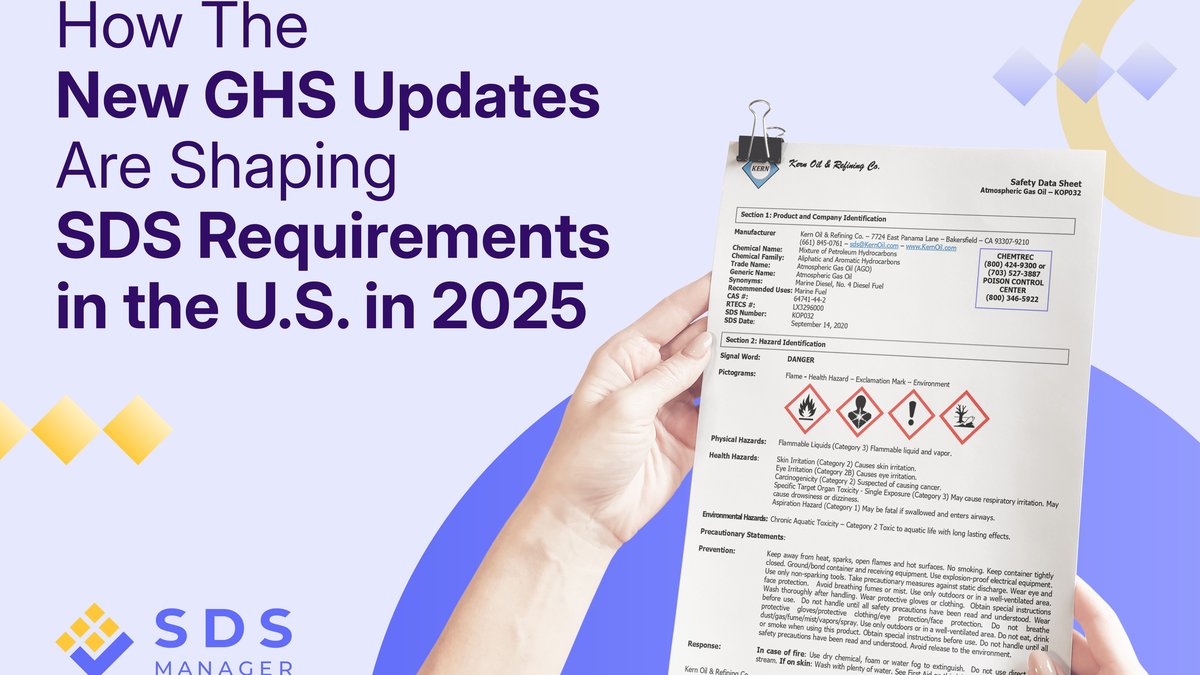
In practice, this means every chemical container in a healthcare setting must display clear GHS labels that include specific elements: product identifiers, signal words (such as “Danger” or “Warning”), hazard statements describing the nature of the hazard, precautionary statements explaining how to handle the chemical safely, pictograms (standardized symbols), and supplier identification. An SDS must be readily available for staff to review before working with any hazardous chemical. These sheets provide detailed information about chemical composition, physical and chemical properties, health hazards, safe handling procedures, emergency measures, and disposal considerations.
All employers with hazardous chemicals must train workers to understand these labels and SDS contents, ensuring that every employee can identify hazards and protect themselves appropriately. This training must be provided at the time of initial assignment and whenever new hazards are introduced into the workplace. The training should be interactive and assessed to ensure comprehension.
This unified approach ensures that even staff without technical backgrounds or extensive chemistry knowledge can quickly grasp chemical risks via standardized pictograms, such as the flame symbol for flammable materials, the skull and crossbones for acute toxicity, or the exclamation mark for less severe hazards. This visual communication system transcends language barriers and literacy levels, improving overall OSHA compliance and workplace safety across diverse healthcare teams.
Medical Waste Disposal and OSHA Compliance
In healthcare labs and clinics, many supplies and cleaners are classified as hazardous under GHS criteria. These include laboratory reagents used in diagnostic testing, sterilizing agents such as glutaraldehyde and ortho-phthalaldehyde, disinfectants containing quaternary ammonium compounds, chemotherapy drugs that require special handling, formaldehyde used in pathology departments, and various solvents and fixatives used in laboratory procedures.
OSHA requires that any hazardous chemicals, for example, lab reagents or sterilants, have updated SDS documents reflecting the new 16-section format required under GHS, and that employees receive thorough Hazard Communication training that covers how to read and understand the new labeling system. A complete chemical inventory listing every hazardous substance in the facility, along with proper labeling of all containers, helps staff handle these substances safely and dispose of them correctly according to their specific hazard classifications.
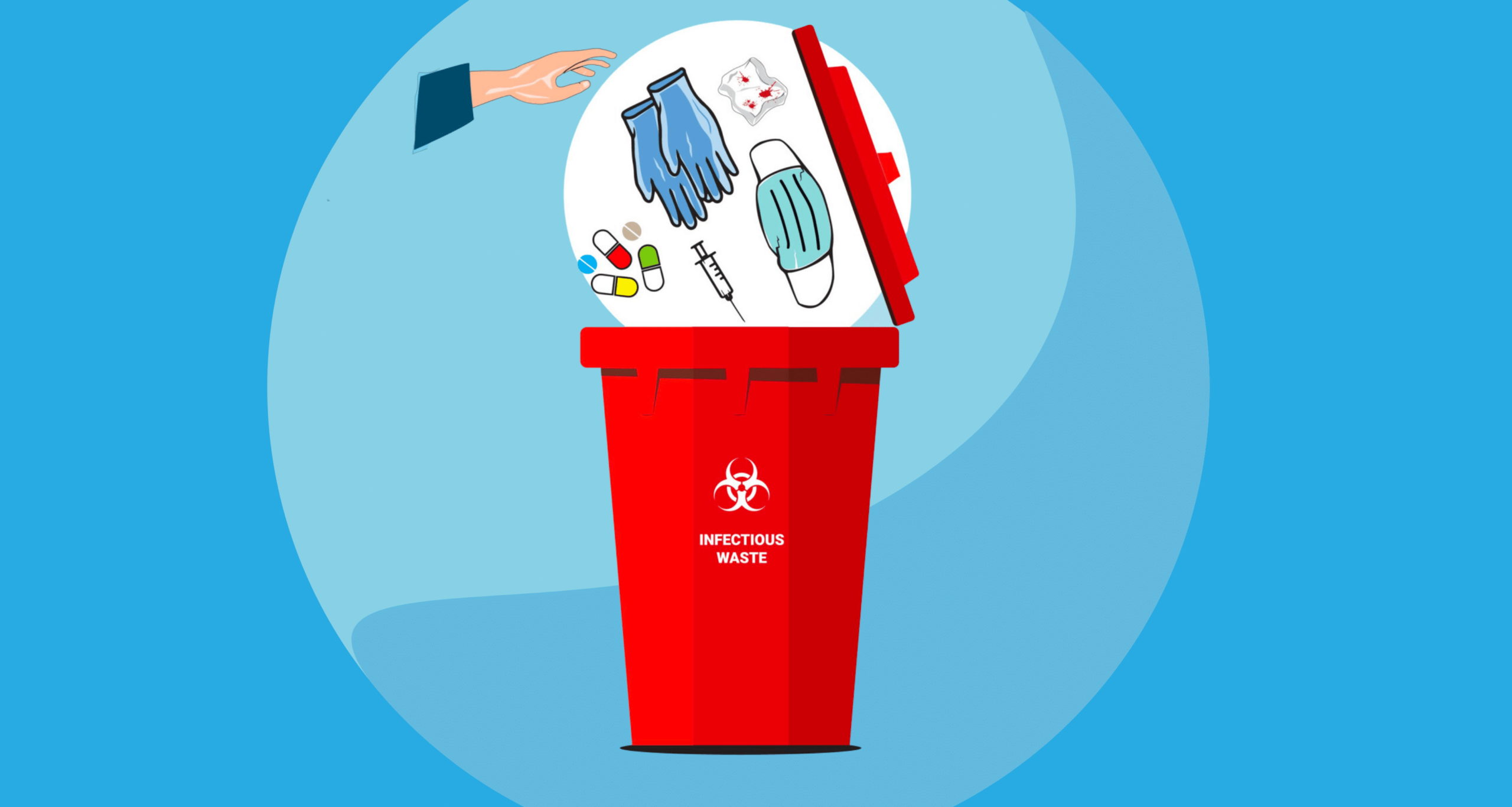
Medical waste often includes biohazardous materials such as contaminated swabs, blood-soaked gauze, tissues removed during surgery, cultures and stocks of infectious agents, sharps contaminated with patient blood or body fluids, and laboratory waste from diagnostic testing. Containers for this waste must carry the universal biohazard symbol (the distinctive orange-red symbol with three interlocking circles) to warn handlers and comply with federal and state regulations. The color-coding system (typically red bags or containers for biohazardous waste) provides an additional visual cue that transcends language barriers.
OSHA mandates that hazardous waste not be allowed to accumulate in work areas where it could pose ongoing exposure risks. All waste must be removed promptly, cleaned up immediately if spilled, and disposed of in accordance with federal regulations under the Resource Conservation and Recovery Act (RCRA), state environmental laws, and local ordinances that may impose additional requirements. Some states have stricter standards than federal regulations, so facilities must comply with the most stringent applicable rules.
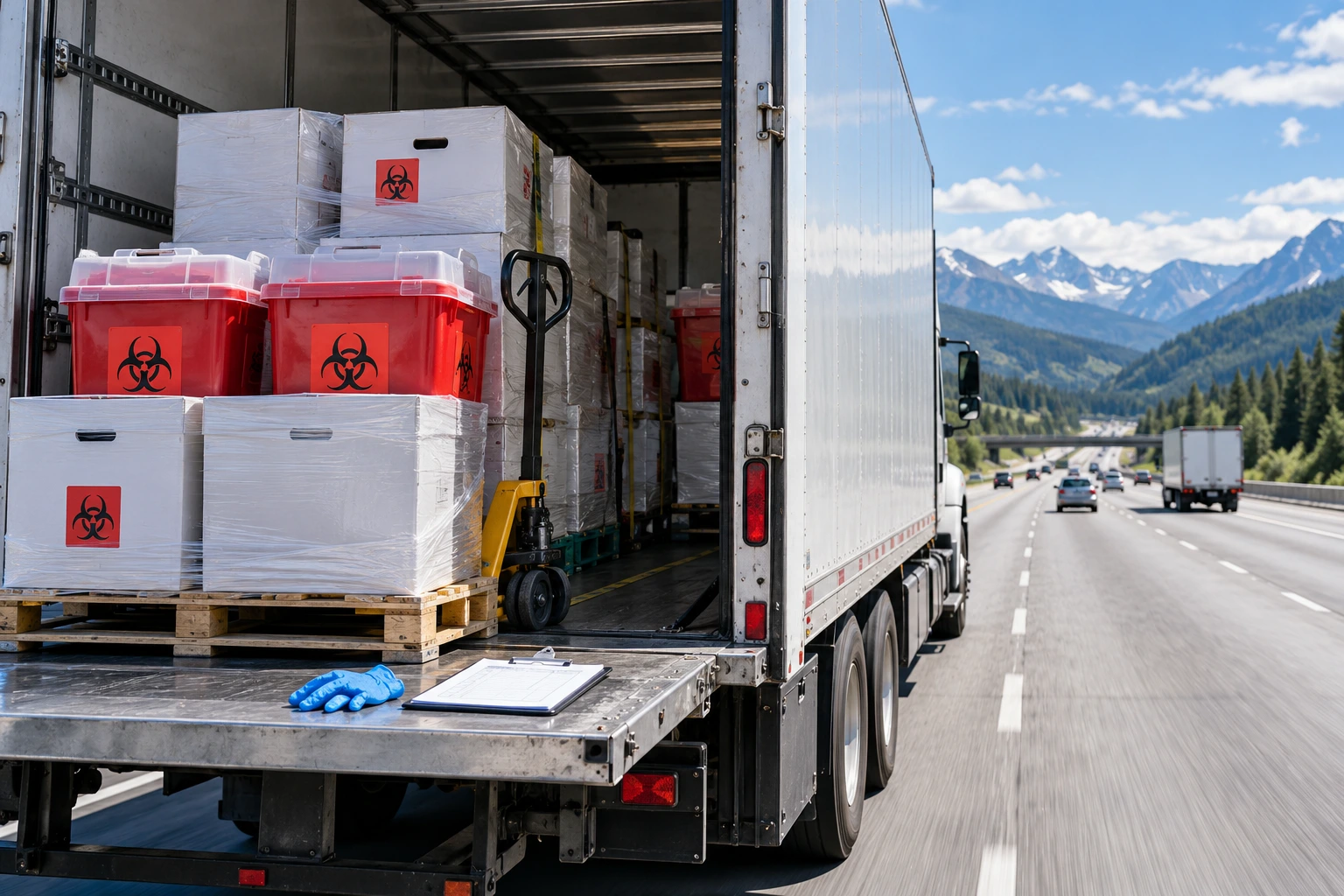
Secure waste removal, such as using locked sharps bins that prevent unauthorized access, sealed containers that prevent leakage during transport, and clearly labeled collection points, prevents accidental exposure and keeps your facility OSHA-compliant, while protecting waste handlers, housekeeping staff, and the general public from potential hazards.
Key Compliance Steps:
Segregate waste properly. Keep general trash separate from hazardous and biohazardous waste at the point of generation, using GHS-labeled bins where required for chemical waste and biohazard-labeled containers for infectious materials. Provide clear signage and color-coded containers to make segregation intuitive for busy healthcare workers. Proper segregation reduces disposal costs by ensuring that only truly hazardous materials receive expensive specialized treatment, while non-hazardous waste can be disposed of more economically.
Maintain updated SDS. Store current Safety Data Sheets for every hazardous chemical on site in both physical and electronic formats. OSHA requires these documents to be accessible to all employees during their work shifts, meaning they must be available in languages that workers understand and in locations that they can easily reach without requiring supervisory approval. Many facilities maintain SDS binders in central locations on each floor or unit, supplemented by electronic databases accessible through computers in nursing stations and staff areas.
Provide HazCom training. Ensure that each worker understands the GHS labels and SDS information for the materials they use in their specific job duties. Regular training keeps skills fresh and addresses new chemicals or procedures introduced since the last training session. Training should include hands-on practice reading labels and SDS documents, not just passive lectures. Please ensure that you document all training with sign-in sheets, test results, and training materials to facilitate compliance verification during OSHA inspections.
Implement secure data disposal. Shred or destroy patient-related documents and media to meet HIPAA rules that require PHI to be rendered unreadable and unable to be reconstructed. Use trusted vendors with the appropriate certifications for removing PHI, if necessary, and obtain certificates of destruction that document the materials were properly disposed of. This step is often overlooked in waste management programs that focus primarily on biohazards and chemical waste, but HIPAA violations can be just as costly as OSHA violations.
Audit and document. Conduct routine inspections of storage areas, waste collection points, and disposal procedures, and keep detailed logs of safety trainings, waste pickups, incident reports, and corrective actions taken. Clear records demonstrate compliance during regulatory inspections and provide valuable data for continuous improvement of your waste management program. Documentation also protects facilities during investigations by showing reasonable efforts to maintain compliance.
Expert Tip:
Conduct annual walkthrough audits of your chemical storage and waste areas using a detailed checklist that covers labeling, container condition, segregation practices, and accessibility of safety information. An external audit or third-party specialist can catch overlooked hazards that staff have become desensitized to through daily exposure. These fresh eyes often identify issues that internal staff miss due to familiarity. Regular refresher training beyond the annual minimum, combined with comprehensive documentation, helps ensure that nothing slips through the cracks, keeping both workers and patients safe while fostering a culture of safety and compliance.
Integrating HIPAA and Secure Waste Removal
OSHA compliance addresses worker safety by addressing physical and chemical hazards, but healthcare facilities also need to protect patient privacy under HIPAA when disposing of waste that contains protected health information. These two regulatory frameworks must work in tandem seamlessly within a comprehensive waste management program. HIPAA’s Privacy Rule requires that protected health information (PHI), which includes any individually identifiable health information in any form, be protected from being discarded in public trash where unauthorized individuals could access it.
Instead, hospitals and other covered entities must use disposal methods that render PHI unreadable and unable to be reconstructed through reasonable means. Acceptable methods include shredding paper records using cross-cut shredders that create particles too small to reassemble, pulverizing items such as ID bands and prescription labels so that the text cannot be read, incinerating documents in approved facilities, or using chemical treatments that render the text unreadable.
Document shredding services are an effective solution for the secure disposal of sensitive records, offering locked collection bins, scheduled pickups, witnessed destruction, and certificates of destruction. These services typically use industrial shredders that exceed the destruction standards required by HIPAA. When working with a waste vendor, ensure they provide HIPAA-compliant destruction certificates and have signed a Business Associate Agreement accepting responsibility for protecting PHI.
Training staff on these policies is as essential as hazardous chemical training because every employee handles some form of patient information. Anyone handling PHI in waste, including housekeeping staff who empty trash bins, must know how to identify PHI and dispose of it properly to prevent data breaches that can result in millions of dollars in fines and irreparable damage to reputation. Training should include specific examples of what constitutes PHI beyond obvious patient charts, such as appointment schedules, insurance forms, specimen labels, and patient wristbands.
A secure chain of custody for waste, from the point of collection in patient care areas through transport and final destruction, ensures the process is verifiable and compliant. This documented chain prevents gaps where PHI could be accessed or lost, similar to the chain of custody used for legal evidence.
Sustainable Waste Practices in Healthcare
Healthcare organizations are increasingly embracing sustainability alongside safety, recognizing that environmental stewardship aligns with their mission to promote health and well-being. According to a 2022 industry report, hundreds of hospitals working on green initiatives collectively diverted over 264 million pounds of waste from landfills through recycling and reuse programs, demonstrating that sustainability and compliance can coexist successfully. These efforts reduce environmental impact while often generating cost savings through reduced disposal fees and material costs.
While hazardous medical waste, which accounts for approximately 15% of total healthcare waste, must be carefully incinerated or treated through autoclaving or other approved methods to neutralize pathogens and chemical hazards, many non-hazardous items can be recycled or reused. OSHA and environmental agencies note that waste minimization should be a priority in healthcare operations. The waste hierarchy (reduce, reuse, recycle, recover, dispose) applies to healthcare just as it does to other industries.
For example, purchasing chemicals in concentrated forms and diluting them on-site reduces packaging waste and transportation impacts. Choosing reusable surgical tools and instruments instead of disposables, where clinically appropriate, significantly decreases waste volume. Selecting products with minimal packaging or packaging made from recycled materials reduces the overall waste burden. Some hospitals have eliminated over-wrapping of sterile items and switched to reusable sterilization containers.
Simple actions, such as recycling paper and plastics from administrative areas, which generate substantial waste similar to that of office buildings, also add up to significant environmental benefits. Cardboard from supply deliveries, clean plastic packaging, office paper, and glass containers can often be recycled through standard commercial recycling programs. Some innovative facilities have even found ways to recycle blue sterilization wrap and certain plastics from operating rooms, provided they are uncontaminated and free from contamination.
By combining OSHA’s GHS guidelines for safe chemical handling with eco-friendly policies such as green procurement that prioritizes environmentally preferable products, waste audits that identify opportunities for reduction, and staff engagement programs that encourage sustainable practices, healthcare facilities can achieve both regulatory compliance and environmental stewardship. The result is a safer workplace for employees, better health outcomes for patients and communities, and a healthier planet for future generations.
Conclusion
In conclusion, adhering to OSHA’s GHS requirements is essential for safe medical waste disposal and represents a fundamental aspect of healthcare quality and safety. By labeling hazards clearly using standardized international symbols, maintaining up-to-date SDS files in accessible locations, training staff thoroughly on chemical hazards and waste procedures, and following HIPAA protocols for patient information protection, healthcare providers protect people at every level and stay compliant with complex regulatory requirements.
Secure, sustainable waste practices not only cut costs through improved efficiency and reduced disposal volumes but also reduce environmental impact by keeping recyclable materials out of incinerators and landfills. This comprehensive approach to waste management demonstrates organizational commitment to protecting workers, patients, communities, and the environment.
For expert help with medical waste disposal and full OSHA compliance, contact Secure Waste today. We provide healthcare waste management solutions that keep your facility safe, compliant, and green through customized programs tailored to your specific needs and waste streams.
Expert Medical Waste Management: With over 25 years of industry experience, Secure Waste is a trusted local leader in hazardous and biohazardous waste disposal across Maryland, Virginia, and Washington, D.C. Specializing in medical waste management, sharps needle disposal, and biohazard waste removal, the company ensures full compliance with federal, state, and local regulations while prioritizing environmental sustainability.
The company also offers additional services, including secure document shredding and sharps container sales, providing comprehensive solutions for healthcare facilities and businesses. Our cost-effective services help clients maintain regulatory compliance without unexpected costs.
With a commitment to customer satisfaction, Secure Waste offers tailored waste management plans that align with industry best practices. Their team of experts provides reliable, timely, and compliant services, making them the preferred choice for medical waste disposal. For a free waste quote or more information, visit www.securewaste.net