Essential Approaches To Biomedical Waste Management And Proper Disposal – Expert Solutions From Secure Waste
Secure Waste explains. If you find yourself needing to dispose of Biomedical waste, you may not be fully aware of the processes and regulations that govern what happens to that waste once it leaves your facility.
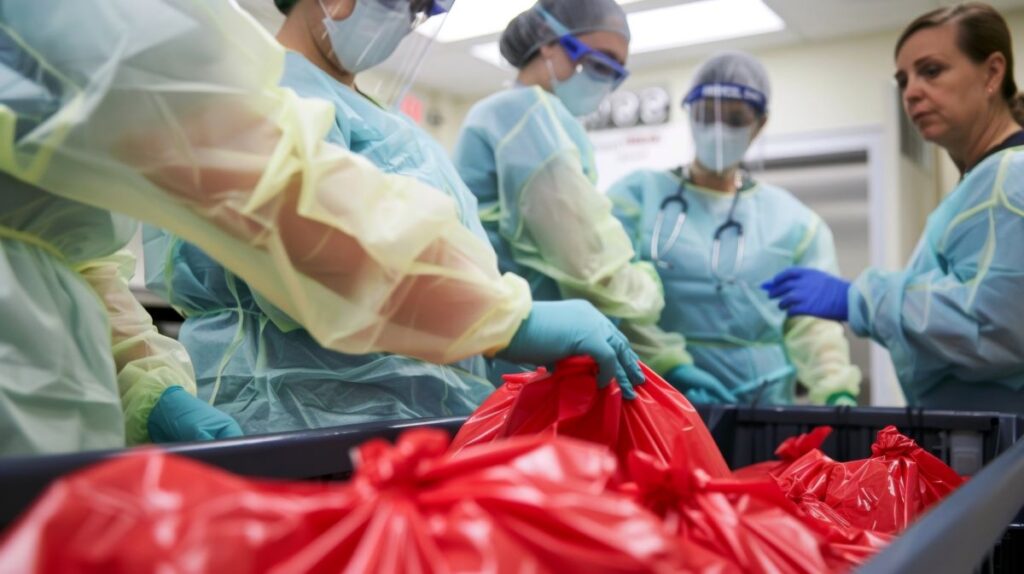
Your biomedical waste disposal team is entrusted with the critical responsibility of safely and effectively managing this waste to protect public health and the environment.
The importance of proper Biomedical waste disposal is particularly heightened in the medical field, where certain waste materials can be contaminated with infectious diseases or hazardous pathogens that pose serious risks to both human health and ecological integrity.
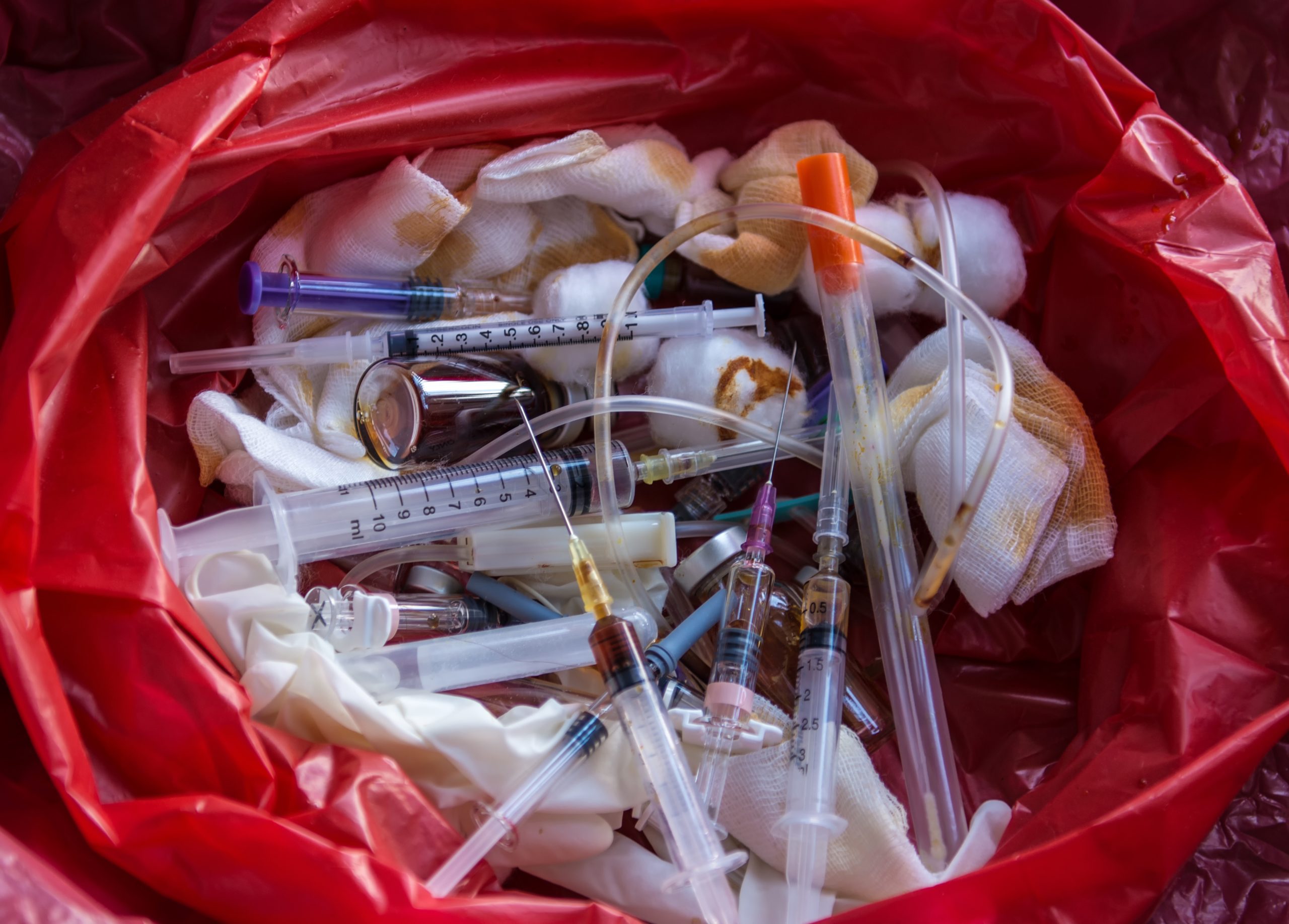
Biomedical waste encompasses a wide range of materials, including used syringes, blood-soaked gauze, surgical instruments, and other items that require proper disposal and handling.
It’s crucial to understand that not all biomedical waste is disposed of in the same manner. Different types of biomedical waste—such as sharps, pathological waste, and pharmaceutical waste—each have specific disposal requirements mandated by regulations designed to minimize risks associated with their handling.
Various disposal companies utilize different methods, including incineration, autoclaving, and chemical disinfection, each tailored to ensure the effective breakdown and neutralization of harmful agents.
When it comes to biomedical waste disposal, understanding the proper methods is crucial for safeguarding our health and the environment. This guide will walk you through the best practices for handling and disposing of biomedical waste efficiently and safely. Let’s dive in and learn how you can make a difference!
Before we discuss Biomedical Waste Management, let’s define what Biomedical Waste is, as explained by Secure Waste!
Biomedical waste, also known as biohazardous waste, refers to any waste that may pose a potential risk of infection or injury to humans and the environment.
This type of waste is distinct from regular garbage and encompasses a range of materials, including contaminated sharps, medical supplies, pathological waste, and microbiological specimens. Examples include used needles, blood-soaked bandages, discarded tissues, and laboratory cultures.
The safe disposal of biomedical waste is critical to preventing the spread of infectious diseases and protecting public health. For a more detailed review, please refer to Secure Waste: What is Biomedical Waste?
Types of Biomedical Waste Explained by Secure Waste
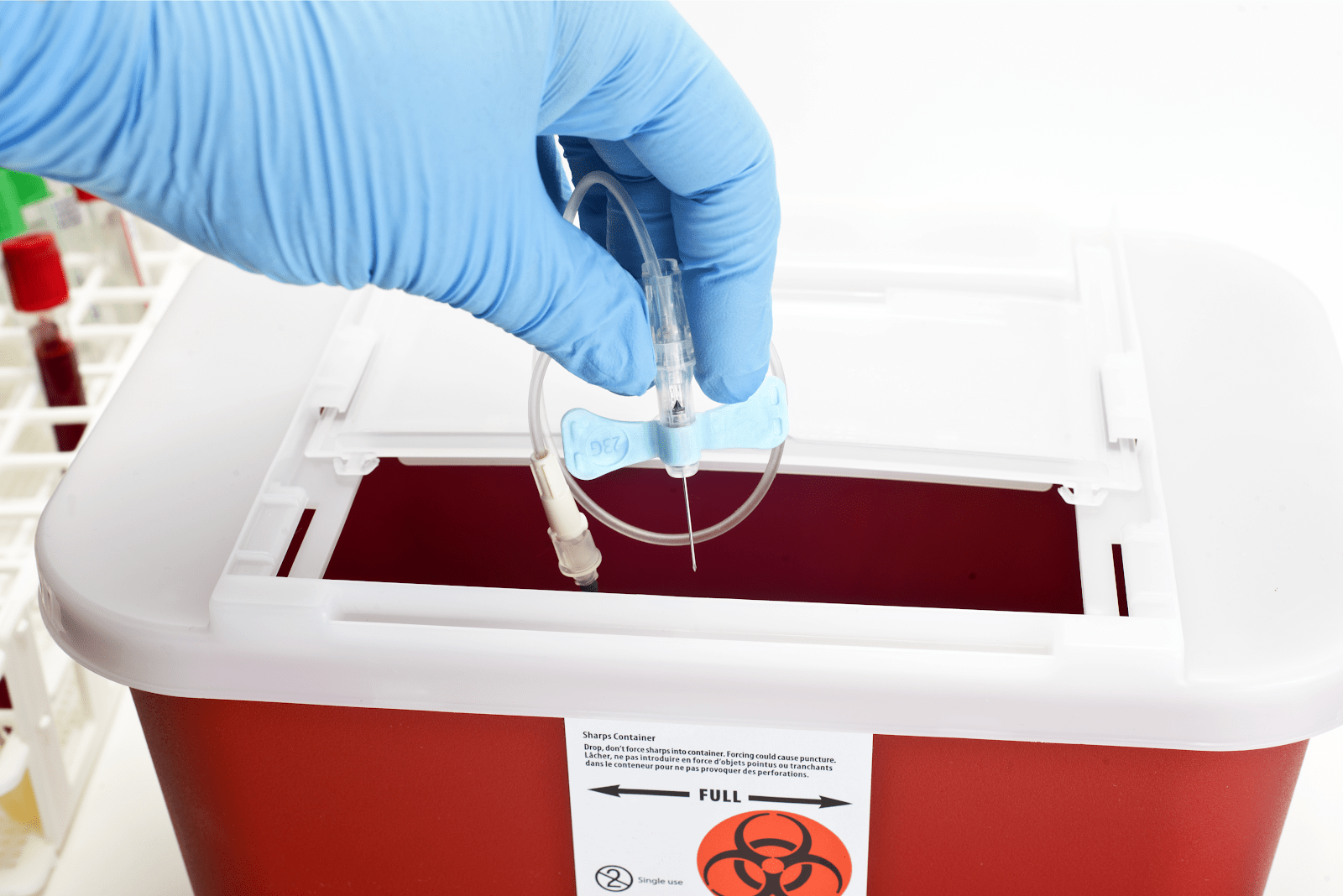
- Sharps: This category includes items that have the potential to puncture or cut the skin, such as needles, syringes, scalpels, surgical blades, and any other devices with sharp edges. Due to their risk of injury and potential for transmitting bloodborne pathogens, sharps must be handled with extreme care.
- Pathological Waste: This includes human or animal organs, tissues, body parts, and carcasses, particularly those deemed potentially infectious. Proper handling and disposal of pathological waste are crucial to safeguard against disease transmission.
- Soiled Waste: Items that have been contaminated with blood or other body fluids fall under this category. This includes materials such as cotton gauze, dressings, and personal protective equipment (PPE) that may pose a risk of infection.
- Microbiological Waste: This refers to waste generated from laboratory cultures, stocks, and specimens of microorganisms. It can include petri dishes, culture tubes, and other laboratory materials that may be contaminated with pathogenic organisms.
- Liquid Waste Management: This encompasses liquid waste products from medical and laboratory procedures, including blood, body fluids, and disinfectants. Special care is needed to manage these liquids to prevent spillage and contamination.
- Chemical and Pharmaceutical Waste: This type includes expired medicines, cytotoxic drugs, and other hazardous chemical waste. Proper disposal is necessary to prevent environmental contamination and minimize risks to healthcare workers and the public.
Sources of Biomedical Waste
Want A Deeper Dive? Read Biomedical Waste Explained By The CDC
Biomedical waste originates from a variety of settings, including:
– Hospitals, Clinics, and Nursing Homes: These facilities generate a significant amount of biomedical waste daily due to patient care activities.
– Medical and Biotechnology Laboratories: Laboratories conducting research or diagnostics produce microbiological and chemical waste.
– Blood Banks: These centers generate waste from blood collection, storage, and processing.
– Animal Houses and Research Centers: Research involving animals produces various forms of biomedical waste, including pathological and chemical waste.
– Home Health Care: Care provided at home may generate biomedical waste, such as used syringes or other medical supplies.
Do you need Biomedical Waste Disposal? Please feel free to contact Secure Waste for more information. Secure Waste, a local provider of regulated medical waste management, including Biomedical Waste services, serving Maryland, Virginia, and Washington, D.C.

Proper Segregation Management Of Biomedical Waste
Effective management and disposal of biomedical waste involve multiple steps to ensure safety and compliance with regulations:
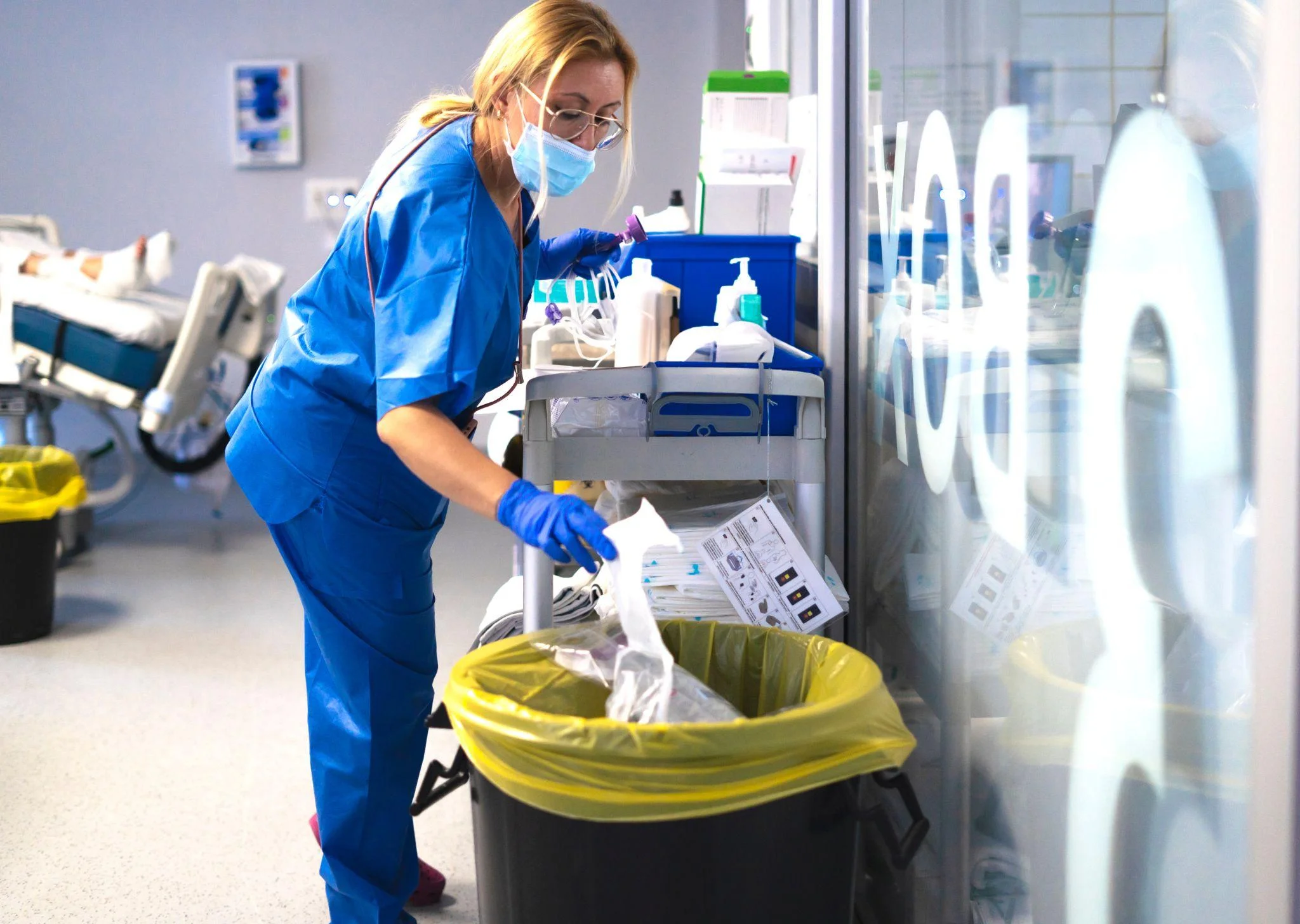
-Segregation: Different types of biomedical waste are separated at the point of generation into designated, color-coded bins to prevent cross-contamination and streamline handling processes. Sharps are placed explicitly in puncture-proof, leak-proof containers designed to prevent injuries. These containers are often marked with biohazard symbols for easy identification.
– Regulation: The management and disposal of biomedical waste are heavily regulated by federal and state authorities. Agencies such as the Environmental Protection Agency (EPA) and the Occupational Safety and Health Administration (OSHA) enforce regulations to ensure safe practices in handling biomedical waste, thereby minimizing risks to healthcare workers, patients, and the environment.
Biomedical Waste Disposal: Best Practices
Proper awareness and adherence to protocols surrounding biomedical waste management are essential for safeguarding public health and preventing environmental hazards.
If you’re curious about the different types of biomedical waste disposal practices and the protocols involved in ensuring safe and compliant waste management, read on to gain valuable insights into this vital aspect of healthcare management.
- Autoclaving Biomedical Waste
Autoclaving is a reliable method of steam sterilization, designed to eliminate harmful microorganisms from biomedical waste effectively.
Unlike incineration, which can incur high costs, autoclaving employs the introduction of high-temperature steam for a predetermined duration to ensure that pathogens are thoroughly eradicated. This method stands out for its cost-effectiveness and minimal health risks—an invaluable feature in waste management.
Remarkably, approximately 90% of biomedical materials can undergo this sanitation process before they are transported to a landfill, making it a widely applicable and efficient choice.
- Incineration of Biomedical Waste
Incineration boasts several advantages, chief among them being its speed, simplicity, and efficacy in destroying waste. This thermal treatment process not only obliterates the physical presence of garbage but also neutralizes hazardous microorganisms.
Nevertheless, incinerating hazardous materials can release perilous emissions into the atmosphere. Due to these risks, certain states advocate for a careful evaluation of materials before they are deemed safe for incineration, making the method a process that requires thorough scrutiny despite its popularity.
- Chemical Mitigation Of Biomedical Waste
Chemical disinfection is a widely used method for managing liquid biomedical waste, primarily utilizing chlorine to eliminate microorganisms and pathogens.
This technique can also be extended to solid waste, although it is recommended to grind these materials beforehand to achieve optimal decontamination. Once the liquid waste is effectively treated, it can then be safely introduced into the sewer system, ensuring that harmful contaminants are neutralized before entering our water supply.
- New Technology: Microwaving of Biomedical Waste
The microwaving process involves shredding biomedical waste and mixing it with water before subjecting it to internal heating.
This innovative approach not only kills harmful microorganisms but also significantly reduces waste volume, contributing to greater efficiency in waste management.
Additionally, this method has been reported to use energy more efficiently than incineration, making it a sustainable option. While microwaving can’t accommodate every form of biomedical waste, it has the potential to process around 90% of it, akin to autoclaving.
Which is the Best?
While incineration is widely regarded as the most common practice for disposing of biomedical waste, the question remains: is it truly the most advantageous?
Many experts argue that autoclaving may emerge as the most economical and safest choice due to its utilization of steam, which poses no health hazards and generates no harmful emissions, all while being more cost-effective. Its capability to handle the majority of biomedical waste is another significant advantage.
At Secure Waste, we prioritize autoclaving to guarantee that all biomedical waste is rendered safe for disposal. If you’re looking for a reliable waste removal company to handle your biomedical waste responsibly, please feel free to contact us today.
Together, we can work towards creating a cleaner and safer environment for our planet.
In Conclusion:
Biomedical waste impacts our workplaces, environments, and health. Understanding these hazards is crucial for protecting ourselves and others.
By identifying risks, we can develop strategies to mitigate their effects, fostering safe environments through shared responsibility. Regular risk assessments and training can help manage potential biohazard threats.
Staying informed and proactive is vital as new biological challenges arise. Together, we can prioritize health and safety, increase awareness, and promote responsible actions to create a healthier future for all!
Now that you have a more comprehensive understanding of Biomedical waste disposal in relation to biological hazards, don’t hesitate to contact Secure Waste.
We provide reliable, compliant, and environmentally friendly medical waste disposal solutions tailored to your facility’s specific needs.
We have expertise in biomedical waste, hazardous waste, and Sharps container disposal. Additionally, we offer customized waste management plans, including secure collection and transportation, as well as sustainable disposal practices.
**Disclaimer** This information is provided for reference purposes only and should not be considered as legal advice or factual information at the time of your reading. Regulations frequently change and can vary from state to state. We encourage you to contact your local regulatory authorities or Secure Waste directly for the most current information. Please note that Secure Waste is not liable, in part or in whole, for any information contained on this page or website.
Expert Medical Waste Management: With over 25 years of industry experience, Secure Waste is a trusted local leader in hazardous and biohazardous waste disposal across Maryland, Virginia, and Washington, D.C. Specializing in medical waste management, sharps needle disposal, and biohazard waste removal, the company ensures full compliance with federal, state, and local regulations while prioritizing environmental sustainability.
The company also offers additional services, including secure document shredding and sharps container sales, providing comprehensive solutions for healthcare facilities and businesses. Our cost-effective services help clients maintain regulatory compliance without unexpected costs.
With a commitment to customer satisfaction, Secure Waste offers tailored waste management plans that align with industry best practices. Their team of experts provides reliable, timely, and compliant services, making them the preferred choice for medical waste disposal. For a free waste quote or more information, visit www.securewaste.net