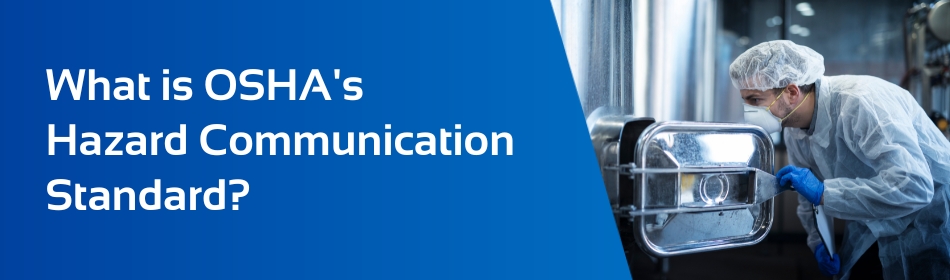
I’d like you to please learn how healthcare organizations can comply with OSHA Hazard Communication requirements. This guide explains chemical labeling, safety data sheets, training obligations, and best practices for protecting staff.
Understanding OSHA Hazard Communication Requirements in Healthcare Settings
Why Hazard Communication Matters in Healthcare
Healthcare environments rely on a wide range of chemicals to deliver safe and effective patient care. From disinfectants and sterilizing agents to pharmaceuticals and laboratory reagents, staff members come into contact with potentially hazardous substances every day. Without clear communication and proper controls, these materials can pose serious health and safety risks.
The Occupational Safety and Health Administration was established to protect workers from preventable harm. Within healthcare, two regulatory areas are particularly significant due to their complexity and enforcement history. These include requirements related to bloodborne pathogens and hazardous chemical communication. Together, failures in these areas account for a large portion of workplace safety penalties in healthcare environments.
Understanding and implementing hazard communication requirements is essential for protecting employees, maintaining compliance, and reducing operational risk.
What Is the OSHA Hazard Communication Requirement
The Hazard Communication requirement obligates employers to inform employees about hazardous chemicals they may encounter in the workplace. The goal is to ensure that workers understand what substances are present, the risks associated with those substances, and how to protect themselves.
This requirement applies to all healthcare organizations that use or store hazardous chemicals. It outlines how information must be communicated, who must receive it, and how it should be maintained over time.
Compliance generally involves five core components:
- Maintaining a complete inventory of hazardous chemicals
- Creating and maintaining a written hazard communication program
- Ensuring proper chemical labeling
- Making safety data sheets accessible to employees
- Providing effective employee training
Each of these elements must work together to create a clear and reliable communication system.
Alignment With Global Chemical Classification Standards
In recent years, OSHA aligned its hazard communication rules with a global chemical classification system. This alignment standardizes how chemical hazards are identified and communicated across countries and industries.
Under this system, chemicals are classified based on health and physical risks. Health hazards include effects such as toxicity, cancer risk, respiratory irritation, skin damage, and eye injury. Physical hazards include flammability, reactivity, corrosion, and heat generation.
Each hazard is assigned a severity category. Lower category numbers indicate greater danger. This classification determines how chemicals must be labeled and described in safety documentation.
Healthcare organizations must understand these classifications to label chemicals and train staff properly.
Creating and Maintaining a Hazardous Chemical Inventory
Healthcare facilities are required to maintain a master list of all hazardous chemicals used or stored on site. This list must be accurate, up to date, and comprehensive.
Many organizations begin by conducting a physical audit of the facility. Teams walk through departments to identify chemicals used in patient care, cleaning, laboratory testing, maintenance, and administrative areas. Department leaders are often asked to verify or supplement the inventory for their specific areas.
Maintaining this inventory is not a one-time task. It must be updated whenever new chemicals are introduced or existing substances are removed.
The Importance of a Written Hazard Communication Program
A written hazard communication program is a central requirement. This document explains how the organization identifies chemical hazards, communicates risks to employees, and ensures safe handling practices.
The program must describe labeling procedures, access to safety data sheets, training methods, and responsibilities. It should also explain how employees can obtain additional information and report concerns.
Because of the level of detail required, many healthcare organizations begin with a professionally developed framework and customize it to their specific operations. Programs should be reviewed regularly to reflect regulatory updates and operational changes.
The written program must be accessible to employees at all times.
Chemical Labeling Requirements in Healthcare
Proper labeling is essential for hazard communication. Manufacturer labels on chemical containers must include several key elements:
- Product name or identifier
- Signal words that indicate hazard severity
- Hazard statements describing the nature of the risk
- Pictograms that visually represent hazard types
- Precautionary statements explaining safe handling
- Supplier contact information
If a chemical is transferred to a secondary container, a workplace label must be applied unless the substance is intended for immediate use. Certain limited exceptions apply, such as medications prepared for direct patient administration.
Any alternative labeling systems must still convey the same level of information and be addressed in the written program.
Understanding Safety Data Sheets
Safety data sheets provide detailed information about hazardous chemicals. They explain chemical properties, health risks, safe handling procedures, storage requirements, and emergency response actions.
Healthcare organizations must maintain a safety data sheet for every hazardous chemical on their inventory list. These documents must be readily accessible to employees in the work areas where chemicals are used.
Digital access systems are common, but they must remain functional at all times. Employees must be trained to locate and use safety data sheets quickly.
Training Requirements for Employees
Training is a cornerstone of compliance with hazard communication requirements. Employees must receive training upon first assignment to a role involving hazardous chemical exposure. Additional training is required whenever new hazardous chemicals are introduced.
Effective training programs cover:
- The types of chemical hazards present
- Methods for detecting chemical releases
- Protective measures such as equipment and procedures
- Labeling systems and warning signs
- How to access the written program and chemical inventory
- The purpose and use of safety data sheets
Training should be documented to demonstrate compliance and reviewed periodically to ensure accuracy.
Supporting Compliance Through Professional Partnerships
Managing hazard communication internally can be complex, especially as regulations evolve and chemical inventories change. Many healthcare organizations benefit from working with experienced, compliance-focused service providers.
Healthcare facilities across the United States partner with Secure Waste to support safe chemical handling, documentation, and regulatory compliance.
Secure Waste provides services that help healthcare organizations manage hazardous materials responsibly. This includes guidance on chemical disposal, waste segregation, compliance documentation, and support for staff education.
By working with professionals who specialize in healthcare waste and safety standards, organizations reduce compliance risk while allowing internal teams to focus on patient care.
Building a Safer Healthcare Workplace
Hazard communication is not simply a regulatory obligation. It is a critical component of workplace safety culture. When employees understand the risks they face and how to protect themselves, incidents decrease, and confidence improves.
Healthcare organizations that invest in strong hazard communication programs protect their staff, reduce penalties, and demonstrate operational responsibility.
For healthcare facilities seeking support with hazardous materials management and compliance-aligned waste solutions, SecureWaste.net offers expertise designed for modern healthcare environments.
In Conclusion:
Secure Waste will save you money on Regulated healthcare waste disposal. We understand these hazards.
Staying informed and proactive is vital as new disposal management challenges arise. Together, we can prioritize health and safety, increase awareness, and promote responsible actions to create a healthier future for all in Maryland, Virginia, and D.C.
We provide reliable, compliant, and environmentally friendly waste disposal solutions tailored to your facility’s specific needs.
Disclaimer: This information is provided for reference purposes only and should not be considered as legal advice, healthcare, or factual information at the time of your reading. Regulations frequently change and can vary from state to state. We encourage you to contact your local regulatory authorities or Secure Waste directly for the most current information. If you are having healthcare issues, contact your doctor immediately or call 911. Please note that Secure Waste is not liable, in part or in whole, for any information contained on this page or website.
Expert Medical Waste Management: With over 25 years of industry experience, Secure Waste is a trusted local leader in hazardous and biohazardous waste disposal across Maryland, Virginia, and Washington, D.C. Specializing in medical waste management, sharps needle disposal, and biohazard waste removal, the company ensures full compliance with federal, state, and local regulations while prioritizing environmental sustainability.
The company also offers additional services, including secure document shredding and sharps container sales, providing comprehensive solutions for healthcare facilities and businesses. Our cost-effective services help clients maintain regulatory compliance without unexpected costs.
With a commitment to customer satisfaction, Secure Waste offers tailored waste management plans that align with industry best practices. Their team of experts provides reliable, timely, and compliant services, making them the preferred choice for medical waste disposal. For a free waste quote or more information, visit www.securewaste.net